
Industrial painting projects require careful planning because coating failure can lead to corrosion, equipment damage, frequent maintenance, and additional operational costs. Many coating problems do not occur because of the paint quality alone. They often result from incorrect product selection, poor surface preparation, or unsuitable application methods.
For industries in Coimbatore, including engineering units, fabrication companies, machinery manufacturers, and production facilities, avoiding common painting mistakes can help improve the service life of protective coating systems.
Products such as P.U. Clear Lacquer, EPOXY COALTAR BLACK, Q.D. PRIMER, and other industrial coating systems are designed for specific applications. Choosing the right product and applying it correctly are equally important for achieving expected results.
Selecting Paint Without Considering the Application Environment
One of the most common mistakes is selecting a coating based only on appearance or initial cost. Industrial surfaces experience different conditions, and the coating should match the environment.
Factors that influence selection include:
Moisture exposure
Chemical contact
Temperature variations
Outdoor weather conditions
Mechanical wear
Cleaning requirements
For example, a coating suitable for indoor machinery may not perform effectively on an outdoor steel structure exposed to rain and sunlight.
Ignoring Proper Surface Preparation
Surface preparation is one of the most important stages of industrial painting. Applying paint over rust, oil, dust, or existing contaminants can reduce adhesion and cause early coating failure.
Common preparation steps include:
Removing loose rust
Cleaning oil and grease
Ensuring surface dryness
Creating suitable surface profile
Checking substrate condition
A properly prepared surface allows primers and finishing coats to bond effectively.
Using the Wrong Primer and Topcoat Combination
A coating system usually includes multiple layers that work together. Using incompatible primers and finishing coats can affect performance.
For example, industrial users should consider compatibility between:
Primer type
Intermediate coating
Finishing paint
Thinner selection
A suitable combination helps maintain coating strength and appearance over time.
Incorrect Thinner Selection
Thinners are not simply used to reduce paint thickness. They influence application quality, drying behaviour, and coating performance.
Industrial coating categories may require specific thinner systems, such as:
P.U. THINNER
EPOXY THINNER
Q.D. THINNER
H.R THINNER
N.C. THINNER
Using an unsuitable thinner may affect drying, finish quality, and adhesion.
Applying Coating Under Unsuitable Conditions
Environmental conditions during painting can influence results. Factors such as humidity, temperature, and surface condition should be considered.
Poor application conditions may lead to:
Uneven finish
Slow drying
Reduced adhesion
Surface defects
Following recommended application practices helps achieve consistent coating performance.
Neglecting Regular Maintenance
Even durable industrial coatings require inspection and maintenance. Small coating damages can become larger corrosion problems if ignored.
Industries should regularly check:
Surface condition
Signs of rust
Coating damage
Areas exposed to heavy wear
Early identification allows corrective action before extensive repair is required.
Choosing the Right Industrial Coating Partner
Selecting a coating provider involves more than purchasing paint. Businesses should look for product range, application understanding, and suitability for different industrial requirements.
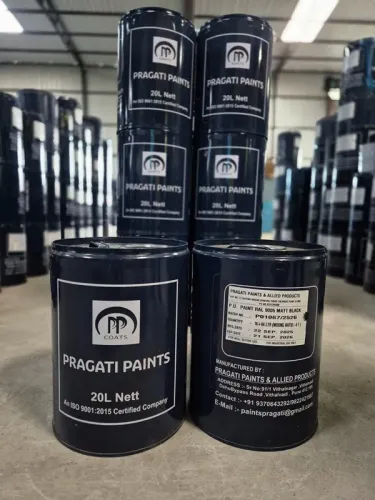
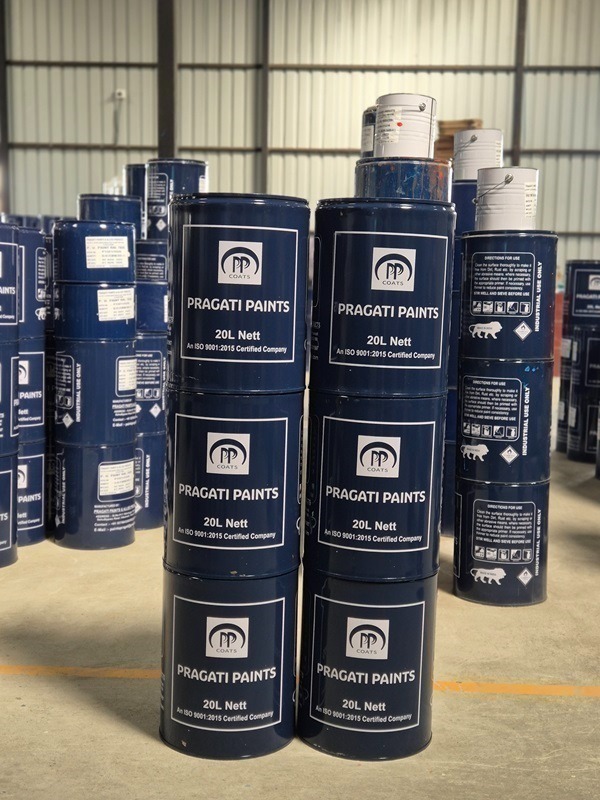
Pragati Paints and Allied Products offers industrial coating solutions for businesses requiring protective paints, primers, lacquers, and specialised coating categories.
For industries in Coimbatore and Tamil Nadu, avoiding common painting mistakes can improve coating durability and reduce unnecessary maintenance. A planned approach that considers product selection, preparation, and application helps create a more reliable protective coating system.