
Choosing industrial paint is not simply a matter of selecting a colour or finish. Different industrial environments require different coating technologies depending on surface type, operating conditions, and expected durability. A suitable coating system helps protect assets, reduce maintenance concerns, and improve operational reliability.
Businesses in Mumbai involved in manufacturing, fabrication, engineering, and industrial operations often evaluate multiple coating categories such as epoxy paints, polyurethane coatings, synthetic paints, and high-temperature coatings before finalising a solution.
Understand The Application Requirement First
The first step in selecting industrial paint is understanding where and how the coating will be used.
Important factors include:
Type of surface
Indoor or outdoor installation
Exposure to chemicals
Temperature conditions
Mechanical wear
Moisture exposure
A coating suitable for machinery may not be the right choice for a high-temperature industrial application.
Select Coating According To Environmental Exposure
Different environments create different challenges.
For example:
Moisture And Corrosion Exposure
Metal surfaces exposed to humidity may require protective systems such as epoxy primers, zinc phosphate primers, or zinc-rich coatings.
High Temperature Applications
Industries involving heat exposure may require specialised products such as:
H.R. Paint @250°C
H.R. Paint @450°C
H.R. Paint @600°C
H.R. Stack Black @250°C
These coatings are designed for applications where standard paints may not provide adequate temperature resistance.
Chemical Exposure
Facilities dealing with chemicals, solvents, or processing materials may evaluate epoxy-based coating solutions for improved resistance.
Common Industrial Paint Categories
Industrial buyers may come across several coating options.
Epoxy Paints
Suitable where strong adhesion, chemical resistance, and durability are important.
Polyurethane Coatings
Used where a durable finish and weather resistance are required.
Synthetic Paints
Often considered for general industrial applications where specific resistance properties are not the primary requirement.
Q.D. Paints
Quick-drying paint systems may be selected where faster handling and operational efficiency are important.
Importance Of Choosing Compatible Materials
Industrial coating systems often involve multiple products, including primers, paints, lacquers, and thinners.
Compatibility between materials is essential.
For example:
PU coatings may require suitable P.U. Thinner
Epoxy systems may require Epoxy Thinner
Quick-drying systems may need Q.D. Thinner
Using compatible materials supports better application consistency and finish quality.
Avoid Common Industrial Paint Selection Mistakes
Businesses should avoid:
Choosing coatings only based on initial cost
Ignoring surface preparation
Selecting products without checking operating conditions
Mixing incompatible coating systems
Overlooking maintenance requirements
A technically suitable coating system can provide better value over the entire service period.
Industrial Paint Requirements In Mumbai
Mumbai’s industrial sector includes diverse applications ranging from engineering and manufacturing to fabrication and infrastructure. Environmental conditions such as humidity and coastal exposure make protective coating selection especially important.
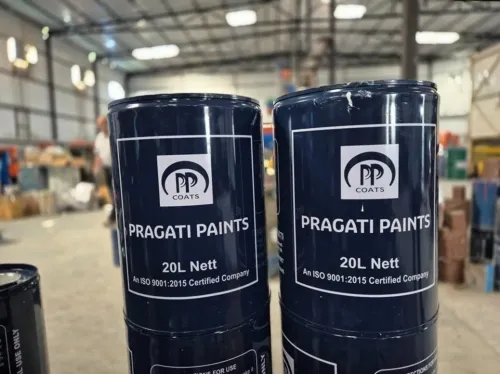
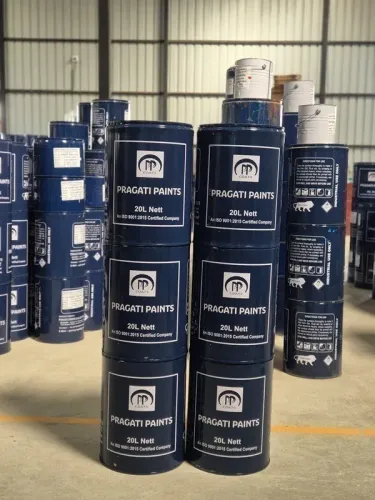
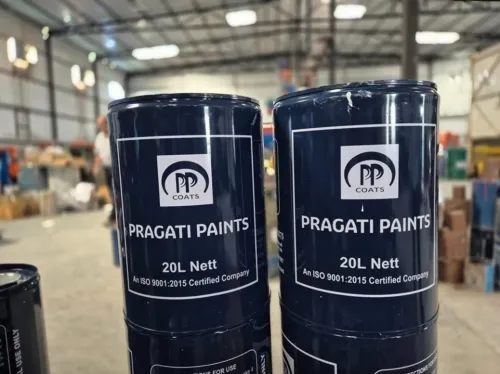
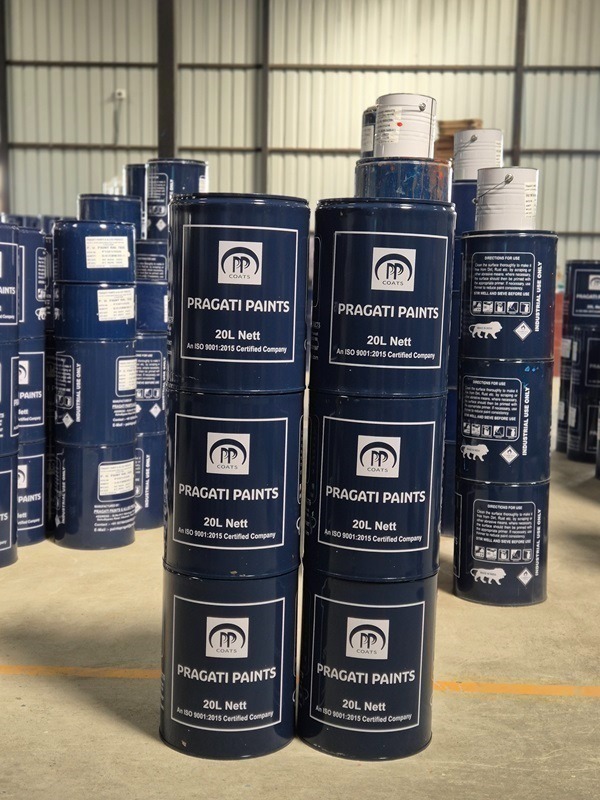
Pragati Paints and Allied Products offers a range of industrial coating solutions designed for different performance requirements.
A proper industrial paint selection process starts with understanding the application, evaluating exposure conditions, and choosing compatible coating layers. This approach helps businesses achieve stronger protection and more reliable coating performance over time.