
A coating system depends on several components working together. While paints and primers receive most of the attention, thinners also play an important role in application quality, flow, drying behaviour, and final finish. Selecting the correct thinner helps maintain the expected performance of industrial coatings.
Industries in Sambhaji Nagar involved in fabrication, manufacturing, engineering, and maintenance work often require different thinner types depending on the coating material being applied.
What Is The Role Of A Paint Thinner?
A thinner is a solvent-based product used to adjust coating consistency for application. It helps improve the flow and workability of paints, primers, and lacquers when used according to recommended requirements.
The correct thinner can support:
Better application consistency
Improved surface flow
Proper spray performance
Uniform coating thickness
Better finishing results
However, using the wrong thinner may negatively affect coating quality.
Different Types Of Industrial Thinners
Industrial applications may require different thinner formulations based on coating chemistry.
Common types include:
P.U. THINNER
EPOXY THINNER
Q.D. THINNER
G.P. THINNER
N.C. THINNER
H.R THINNER
CHOLRUB THINNER
Each thinner is designed to work with specific coating categories.
Understanding Product Compatibility
Different paint systems have different chemical compositions. A thinner suitable for one coating may not perform correctly with another.
For example:
P.U. Thinner
Used with polyurethane-based systems where maintaining coating properties and application quality is important.
Epoxy Thinner
Designed for epoxy coating systems to support proper application consistency.
H.R. Thinner
Used with high-temperature coating systems where heat-resistant paint compatibility is required.
Q.D. Thinner
Suitable for quick-drying coating applications where controlled drying and application properties are important.
Problems Caused By Incorrect Thinner Selection
Using an unsuitable thinner can create several coating issues, including:
Uneven surface finish
Poor drying behaviour
Reduced adhesion
Excessive coating defects
Lower durability
A coating system should always be considered as a combination of paint, primer, thinner, and application conditions.
How Industries Should Select The Right Thinner
Before choosing a thinner, businesses should evaluate:
Paint Type
The thinner should match the coating chemistry.
Application Method
Spray, brush, or roller application may require different consistency requirements.
Environmental Conditions
Temperature and humidity can influence drying and application behaviour.
Desired Finish
Smoothness, appearance, and coating thickness requirements should be considered.
Importance Of Technical Product Understanding
Industrial coatings are performance-based solutions. Choosing products only by category without understanding compatibility can lead to coating problems and unnecessary maintenance.
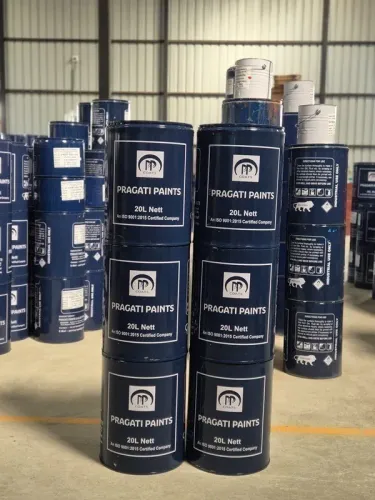
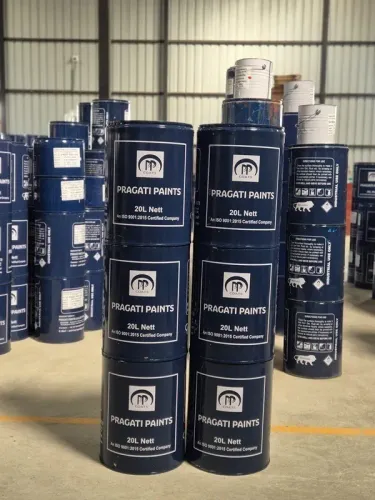
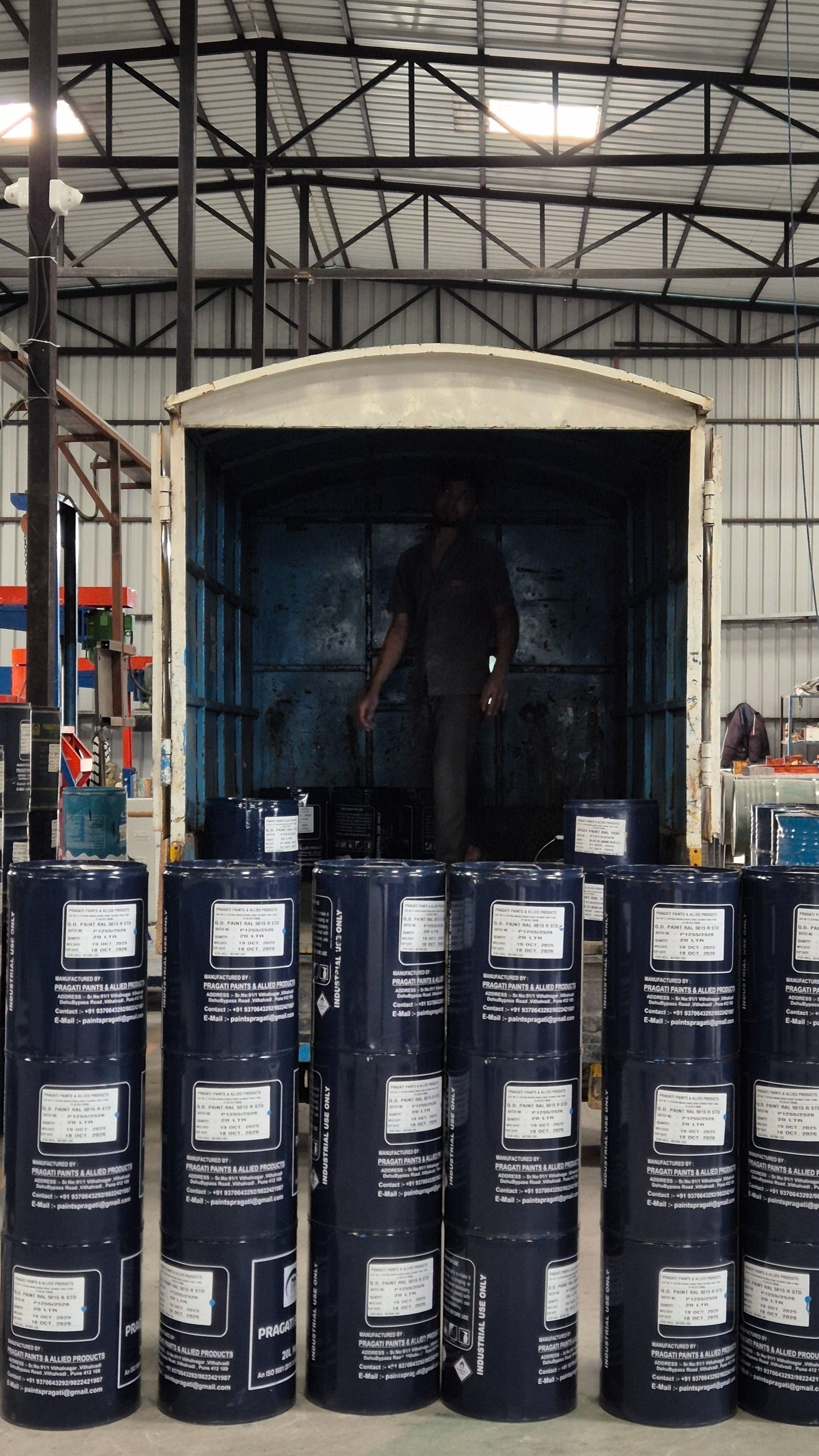
Pragati Paints and Allied Products provides industrial coating solutions in Sambhaji Nagar, including specialised thinner categories designed for different paint systems. The company helps industries identify suitable product combinations according to application requirements.
For businesses managing industrial painting projects, understanding the role of thinners helps improve coating quality, reduce application issues, and achieve more consistent results.