
The word zinc does not identify one protection mechanism: an epoxy high-build product may rely on electrically connected metallic zinc for sacrificial protection, while a zinc phosphate primer relies on barrier and inhibitive pigment action. By comparing the film build, substrate preparation, application controls, service exposure and total job effort, you can select and specify the system rather than buying on the product name alone.
Key takeaways
- Choose sacrificial zinc for exposed steel and zinc phosphate for barrier protection.
- High-build describes film thickness, not the primer’s corrosion mechanism.
- Measure surface profile, wet-film thickness and dry-film thickness during application.
- Budget surface preparation, coats, drying time and inspection—not primer price alone.
High build, zinc-rich and zinc phosphate describe different things
High-build describes the thickness a primer can achieve; zinc phosphate describes its protective pigment. They are not opposing categories. An epoxy high build zinc primer can be both high-build and zinc-rich, while a zinc phosphate primer can be conventional or high-build without containing sacrificial metallic zinc.
| Option | What it means | Protection mechanism | Typical starting DFT |
|---|---|---|---|
| Epoxy high build zinc primer | Epoxy film loaded with electrically connected metallic zinc | Sacrificial cathodic protection, plus barrier protection | About 75–150 micrometres |
| Zinc phosphate primer | Primer containing zinc phosphate inhibitive pigment | Barrier and pigment inhibition; not equivalent to cathodic protection | About 40–75 micrometres |
| Industrial zinc primer | An imprecise purchasing description | Could mean either system, or an inorganic zinc coating | Confirm from the technical data sheet |
Treat those thicknesses as planning ranges, not specifications. The product data sheet controls the permitted minimum, maximum and recoat thickness; measure cured film with a calibrated dry-film-thickness gauge.
Extra build can bridge blast profile, reduce pinholes and help reach the system thickness, but exceeding the limit can trap solvent, delay curing, cause mud-cracking or weaken intercoat adhesion.
For an epoxy high build zinc comparison, request metallic zinc percentage in the dry film, volume solids, blast standard, maximum DFT, recoat interval at the steel temperature, compatible topcoat and immersion limits. Wet-paint zinc percentage alone proves little.
An exposed zinc-rich film can form white rust; remove the deposits and reinstate the surface before applying the topcoat.
Choose the protection mechanism before comparing film thickness
Choose an epoxy high-build zinc primer when the specification requires sacrificial galvanic protection and you can blast-clean, apply, cure and overcoat the steel under controlled conditions. Metallic zinc particles must remain electrically connected in the cured film; extra thickness alone does not create cathodic protection.
Choose zinc phosphate when you need a conventional barrier and inhibitive primer with straightforward overcoating, or when the finish system does not require sacrificial zinc. This is often the more practical option for routine fabrication and repair work.
| System | Protection mechanism | Practical choice |
|---|---|---|
| Epoxy zinc-rich primer | Metallic zinc sacrifices itself at exposed steel | Severe atmospheric corrosion where galvanic protection is specified |
| Zinc phosphate epoxy primer | Inhibitive pigment plus barrier film | General industrial steel and schedules requiring simple overcoating |
| “Industrial zinc primer” | Undefined; could mean zinc-rich epoxy, inorganic zinc or zinc-phosphate epoxy | Do not approve it without the technical data sheet |
High-build describes achievable dry-film thickness, not the corrosion mechanism. A thicker film can bridge blast profile, reduce pinholes and build the specified system, but exceeding the manufacturer’s maximum can trap solvent, cause mud-cracking, wrinkling, poor cure or intercoat failure.
For an epoxy high build zinc primer comparison, request:
- Metallic zinc percentage in the dry film, not only wet-paint zinc content
- Recommended and maximum dry-film thickness
- Blast-cleaning standard, steel-temperature recoat interval and compatible topcoats
- Tie-coat or mist-coat instructions, immersion limits and repair procedure
Measure the cured film with a calibrated dry-film-thickness gauge. Zinc-rich coatings also need controlled topcoat application; aggressive solvent-heavy coats can cause pinholing, bubbling or lifting.
Preparation and application controls decide whether the primer works
A sound primer fails on contaminated steel, trapped solvent or an over-thick film. Prepare steel to Sa 2½ under ISO 8501-1 by degreasing first, removing salts and loose rust, abrasive-blasting to the product’s specified surface profile, and checking that the surface is dry and above the dew point.
1. Repair weld spatter, sharp edges, laminations and pinholes. Apply a stripe coat to edges, welds, bolts and difficult geometry; spray alone leaves these areas thin.
2. Mix each component at the stated ratio, observe induction time and pot life, and add only the approved thinner. Keep steel temperature, humidity and dew-point separation inside the technical data sheet limits.
3. Apply the epoxy high build zinc primer in controlled passes. High build describes achievable dry-film thickness, not extra cathodic protection. Exceeding the maximum can trap solvent, cause mud-cracking or wrinkling, and weaken intercoat adhesion.
4. Use the product data sheet rather than a generic target: many zinc phosphate primers fall around 40–75 micrometres dry film, while zinc-rich epoxy systems commonly fall around 60–100 micrometres. Measure cured film with a calibrated dry-film-thickness gauge and record spot readings, including edges and welds.
5. Respect the recoat interval at the actual steel temperature and confirm topcoat compatibility. Before overcoating a high build zinc primer, remove white rust or other zinc corrosion products and reinstate damaged areas; sealing visible contamination under epoxy invites adhesion failure.
Compare epoxy, alkyd and quick-drying zinc phosphate systems by job conditions
Shop fabrication usually favors epoxy systems because controlled blast cleaning, mixing and curing produce a tougher film. Field repairs favor quick-drying zinc phosphate when the priority is rapid handling, but only after removing loose rust and checking compatibility with the existing coating.
| System | Shop fabrication | Field repairs | Topcoat timing and chemical exposure |
|---|---|---|---|
| Epoxy high-build zinc | Best for steelwork needing a substantial, corrosion-resistant base film and controlled application. | Use for repairs when you can control steel temperature, mixing and cure; cold steel can delay cure. | Requires its stated recoat window and compatible epoxy, polyurethane or polysiloxane topcoat. Use the full system for chemical service; do not leave epoxy exposed to prolonged sunlight. |
| Epoxy zinc phosphate | Suits fabricated equipment where barrier protection, adhesion and a predictable build matter more than sacrificial zinc protection. | Practical for prepared spot repairs when the existing system accepts epoxy. | Provides stronger chemical resistance than alkyd after cure, but verify immersion limits and the topcoat window. |
| Alkyd zinc phosphate | Fits dry, general-purpose fabrication with moderate exposure and uncomplicated overcoating. | Useful for small repairs where simple application and broad handling tolerance matter. | Faster or easier overcoating depends on the product; avoid it for aggressive chemicals, solvents or immersion. |
| Quick-drying zinc phosphate | Choose when shop throughput matters more than maximum chemical resistance. | Best for same-shift handling and short repair shutdowns. | Confirm the actual recoat time at steel temperature; fast dry does not equal chemical resistance. |
A useful zinc phosphate primer comparison checks cure time, recoat interval and exposure rating, not pigment name alone. For an epoxy high build zinc comparison, request dry-film metallic-zinc content, maximum thickness and compatible topcoats. Overshooting that thickness can trap solvent or crack the film.
Specify, inspect and budget the complete coating system
Put the selected system on a coating schedule that names the substrate, preparation standard, primer, target dry-film thickness (DFT), stripe coat, topcoat, recoat window and exposure class. “Industrial zinc primer” is not a specification: require the binder, metallic-zinc or zinc-phosphate pigment, volume solids, DFT limits and compatible finish.
| Option | Protection and typical DFT | Choose for |
|---|---|---|
| Organic zinc-rich epoxy | Sacrificial metallic zinc; about 60–100 µm, subject to the technical data sheet | Blast-cleaned carbon steel in severe atmospheric or immersion service |
| Zinc-phosphate epoxy | Barrier and inhibitive pigment; about 50–75 µm, subject to the technical data sheet | Fabricated steel needing conventional epoxy overcoating |
| Zinc-phosphate alkyd | Barrier primer with simpler shop application | Mild atmospheric exposure and alkyd finish systems |
Make the epoxy high build zinc comparison against the complete system, not the primer price alone. Calculate litres as area × target DFT ÷ (100 × volume-solids percentage), then price stripe coating, spray loss, thinner, abrasive, labour, inspection and repairs.
Ask Pragati Paints & Allied Products for the product data sheet, batch details and written topcoat compatibility before ordering.
Troubleshoot by matching the defect to its cause:
- Low DFT at edges: add the specified stripe coat and remeasure with a calibrated gauge.
- Mud-cracking, wrinkling or solvent entrapment: reduce each coat to the permitted thickness and respect flash-off.
- Peeling or soft film: check surface cleanliness, dew point, mix ratio, pot life and recoat interval before recoating.
Related products
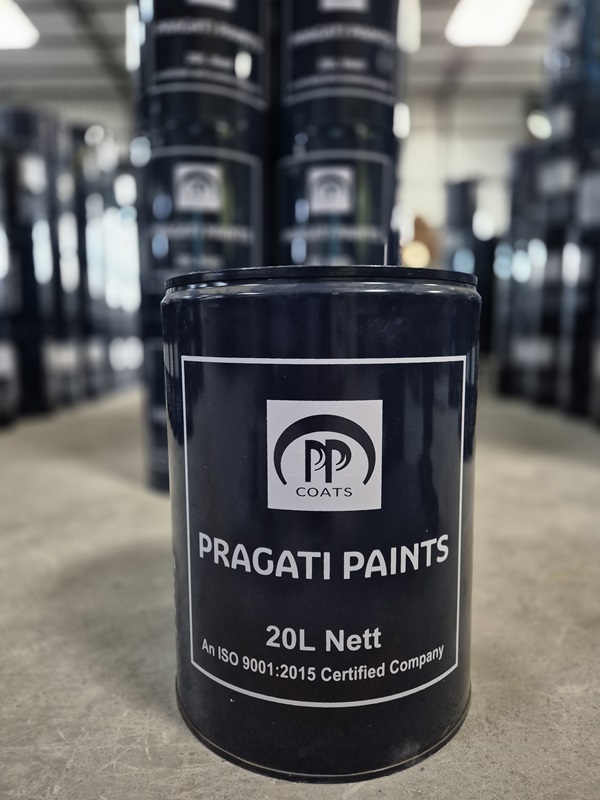 | Industrial Expoxy Paint Epoxy High Build Zinc Phosphate Primer Advanced Corrosion Protection for Industrial Steel Structures Industrial environments demand coatings that deliver long-lasting corrosion protection,... View product → |
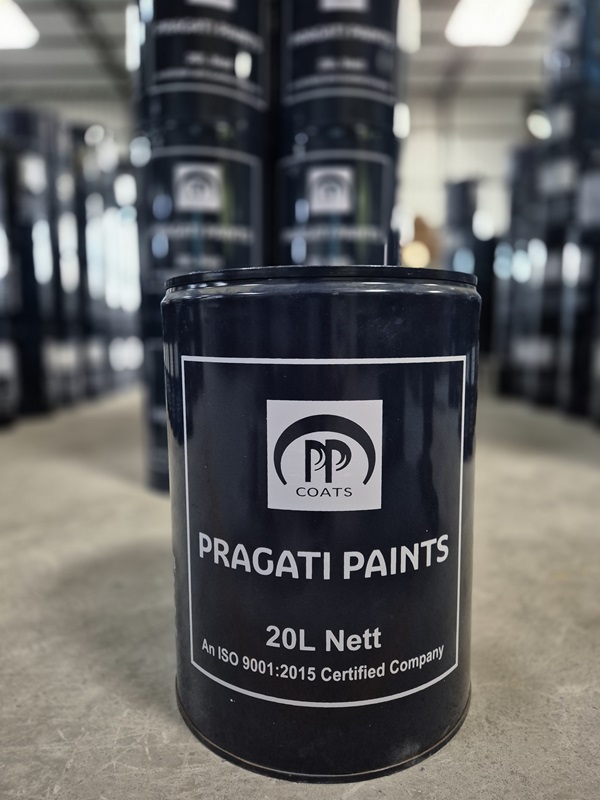 | Expoxy Paint Premium Anti-Corrosive Protection for Industrial Metal Surfaces When industries need the highest level of corrosion resistance and strong adhesion,... View product → |
Frequently asked questions
Are high-build, zinc-rich and zinc phosphate the same primer category?
No. High-build describes achievable film thickness, zinc-rich identifies sacrificial metallic zinc pigment, and zinc phosphate identifies a corrosion-inhibiting pigment. A primer can fit more than one category.
How do you choose between an epoxy high-build zinc primer and a zinc phosphate primer?
Choose an epoxy high-build zinc primer when sacrificial protection and a thick, durable film suit the exposure. Choose zinc phosphate when barrier protection, simpler application or compatibility with a specified topcoat controls the decision.
What preparation and application checks determine primer performance?
Confirm the required cleanliness standard, surface profile, mixing ratio, induction time, recoat window, wet-film thickness and dry-film thickness. Remove oil, salts, dust and loose rust before coating.
How do epoxy, alkyd and quick-drying zinc phosphate systems differ?
Epoxy systems provide strong adhesion and chemical resistance but require controlled mixing and recoat timing. Alkyd systems simplify application but suit less aggressive exposure. Quick-drying zinc phosphate systems reduce handling time when their exposure and topcoat compatibility are acceptable.
What should a complete industrial primer specification include?
Specify the corrosion environment, steel preparation grade, primer type, target dry-film thickness, number of coats, compatible topcoat, application method, recoat window, inspection tests and repair procedure.
Related product
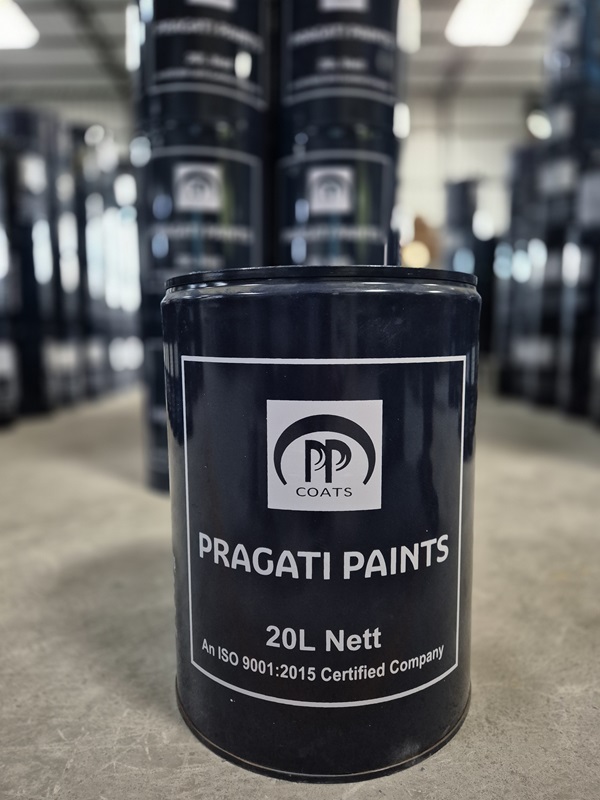 | Expoxy Paint High-Performance Protection for Steel Structures When it comes to long-term corrosion protection of metal surfaces, Epoxy Zinc Rich Primer is one of... View product → |