
A purchase order that says only “high-build zinc primer” leaves chemistry, thickness, kit size, testing and site conditions open to interpretation. By the end, you will have a specification checklist for comparing quotations, calculating the required quantity and accepting the supplied coating.
Key takeaways
- Specify resin, pigment type, dry-film thickness and complete coating-system compatibility.
- Request batch numbers, technical data sheets, safety data sheets and inspection certificates.
- Calculate litres from surface area, target thickness and declared volume solids.
- Define surface preparation, application conditions, inspection tests and rejection limits.
What must a manufacturer include in the primer purchase order?
A primer purchase order must define the coating system, job quantities, delivery terms and documentation before you request a quotation.
For epoxy paints high build zinc primer for order details in Pune, state the substrate—steel, concrete or another material—component dimensions, total surface area in square metres, DFT per coat, total system DFT, number of coats, colour, gloss or finish, exposure environment and ISO 12944 corrosivity category where applicable.
Give the delivery point in Pune and required storage conditions, including protection from heat, moisture and freezing.
Request these high build zinc primer inclusions:
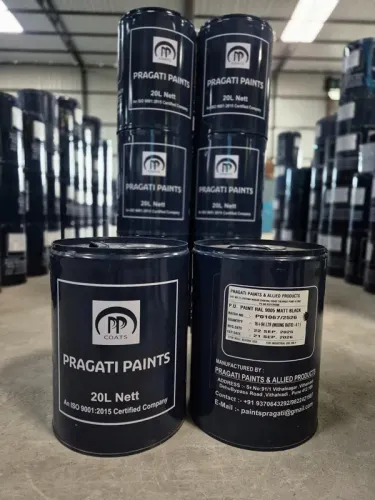
- Factory-matched primer base and hardener; mixing ratio by weight and volume; recommended thinner and maximum addition; complete pack sizes; technical data sheet; safety data sheet; certificate of analysis; batch number; manufacturing date; remaining shelf life at dispatch; labels, palletisation and packing details.
- State whether complete kits are mandatory and partial kits are prohibited. Decanting or changing the ratio can leave the film soft and chemically vulnerable.
- Define whether abrasive blasting, stripe coating, scaffolding, labour, topcoat and testing are excluded. Require coverage to show volume solids, specified DFT and expected application loss, not only a price per kilogram.
| Item | State in the order | Why it matters |
|---|---|---|
| Material | Base, hardener and thinner | Prevents incompatible or incomplete supply |
| Commercial scope | Included and excluded site work | Stops quotation disputes |
| Coverage | Solids, DFT and loss | Makes kit quantities comparable |
How does high-build zinc phosphate epoxy differ from zinc-rich and other primers?
Zinc phosphate epoxy provides barrier protection and corrosion inhibition; it does not provide the galvanic action of metallic zinc dust. An epoxy zinc phosphate primer manufacturer order must name the chemistry and pigment, because “epoxy zinc primer” is not a sufficient specification.
| Option | Protection and behaviour | Select when |
|---|---|---|
| Epoxy zinc phosphate | Barrier film; no sacrificial electrical protection; straightforward repair and overcoating | Conventional steel systems needing epoxy or polyurethane finish |
| Zinc-rich epoxy | Metallic zinc provides electrical continuity and sacrificial protection; requires controlled application | Steel requiring zinc-rich performance and an approved compatible topcoat |
| Epoxy zinc silicate | Zinc-rich inorganic film with different curing, surface and topcoat demands | Exposure and application conditions specifically suit zinc silicate |
| Conventional epoxy | Barrier protection without zinc-pigment galvanic action | General corrosion protection where zinc-rich performance is not specified |
| Other zinc-rich systems | Zinc-rich chemistry varies in binder, repair method and overcoating window | Use only against the project’s tested system requirements |
“High build” describes achievable film build, not a universal thickness grade. State permitted DFT per coat, total system DFT, maximum DFT and whether quoted coverage is theoretical or practical. For zinc-rich epoxy, identify zinc-dust grade, loading and ASTM D520 class where required.
Specialist spray technique, compatible epoxy or polyurethane topcoat and controlled thickness may be necessary; excess film can cause mud-cracking, solvent entrapment or delayed cure. Compare exposure, repair method and overcoating window before approval. Never substitute zinc phosphate for zinc-rich performance, or zinc-rich for specified conventional grey epoxy, without written coating-engineer approval.
How should you calculate quantity and verify the specified thickness?
1. Start with the coated area in square metres and the target DFT for one coat. Calculate theoretical litres as: litres = area × DFT ÷ (1,000 × volume-solids fraction). For example, 500 m² at 75 µm with 70% volume solids requires 53.6 litres for one coat. Use 0.70, not 70, as the fraction.
2. Multiply the one-coat result by the number of coats, then add the agreed application loss. State the allowance for spray overspray, hose retention, stripe coats, edges, welds and surface complexity; do not order by area alone. A quotation that gives only coverage in square metres hides the actual consumption assumption.
3. Convert the required litres to kit counts using the manufacturer’s mixed density and pack size. If the calculation gives 180 litres and the complete kit contains 20 kg at a mixed density of 1.4 kg/L, one kit supplies about 14.3 litres; order 13 complete kits, not a partial thirteenth kit.
Confirm whether partial kits are prohibited, because changing the resin-to-hardener ratio can leave the primer soft or under-cured.
4. Verify application thickness in two stages. Use a wet-film comb immediately after application to correct insufficient or excessive build while the coating is workable, then use a calibrated dry-film thickness gauge after curing.
5. Put the sampling method, gauge checks, number of readings and acceptance limits in the purchase order. Where specified by the owner, cite ASTM D7091 for nondestructive measurement and SSPC-PA 2 or ISO 19840 for sampling and acceptance on steel. State the permitted minimum, target and maximum DFT per coat and for the complete system.
What preparation and application controls belong in the method statement?
A sound method statement starts with the steel, not the paint. Remove oil and grease by solvent cleaning, remove soluble salts and dust, then abrasive-blast structural steel to Sa 2½ under ISO 8501-1 or SSPC-SP 10/NACE No. 2 when that grade is specified.
If contamination or flash rust exceeds the stated limit, re-clean or re-blast before priming.
Record these controls in the application schedule:
- Abrasive surface-profile range, allowable dust rating, flash-rust limit and maximum time between blasting and priming.
- Induction time, pot life at a stated temperature, drying time, minimum and maximum recoating interval, approved thinner, and maximum thinner addition.
- Airless-spray tip size and pressure range, plus the permitted application method.
- Whether brush or roller is restricted to stripe coats, edges, repairs or small areas.
Do not treat a nominal pot-life figure as universal. Adjust pot-life and cure expectations for batch size, temperature and applied film thickness; a large mixed batch or an excessive build can shorten working time and delay cure.
For epoxy high build zinc primer details in Pune, record air temperature, steel temperature, relative humidity and dew point during Pune’s heat and monsoon humidity. Apply only when the steel is at least 3 °C above the dew point when that rule appears in the approved product data sheet or project specification.
Condensation after measurement still invalidates the application.
How should you compare Pune quotations and define acceptance?
A quotation is not comparable until the epoxy zinc phosphate primer manufacturer order carries a performance and compliance schedule. For epoxy high build zinc primer details in Pune, state the exact resin chemistry, pigment type, zinc content or zinc-phosphate identity, applicable ISO 12944 corrosivity category, approved finish coat, and the overcoating window.
If that window is exceeded, require the surface-preparation method before recoating.
| Quotation item | What to require | Acceptance record |
|---|---|---|
| Resin and pigment | Exact chemistry; metallic zinc grade or zinc-phosphate identity | Matches approved schedule |
| Performance | Adhesion, solvent resistance and salt-spray or cyclic-corrosion test | Named method and numerical limit |
| Compliance | VOC limit; lead and chromate status | Declaration and test evidence |
| Finish system | Compatible epoxy, polyurethane or specified finish coat | Written compatibility approval |
| Commercial scope | Delivery to Pune, palletisation, labels and documentation | Included or expressly excluded |
| Replacement | Damaged kits and kits below agreed remaining shelf life at dispatch | Replacement obligation |
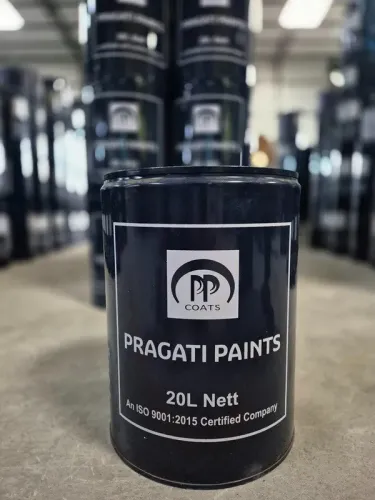
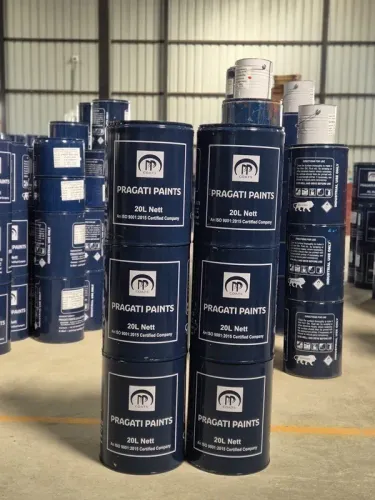
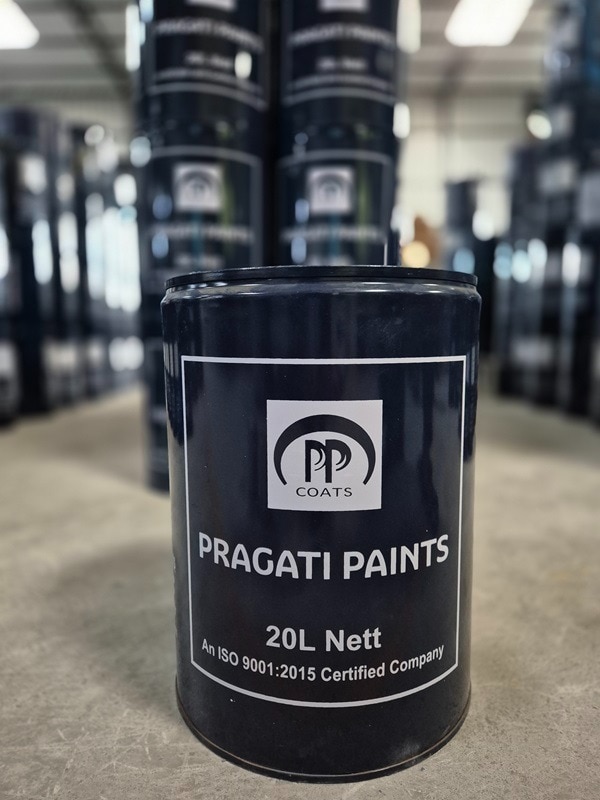
Ask Pragati Paints & Allied Products, or any Pune supplier, to price against this schedule rather than an ambiguous “zinc primer.” Make the certificate of analysis, batch number, manufacturing date, batch traceability, DFT inspection method and rejection procedure part of the order record.
Reject a batch when its certificate, label, chemistry, shelf life, test result or measured DFT falls outside the agreed limit. Record whether abrasive blasting, labour, testing and topcoat remain excluded.
Related products
 | Industrial Expoxy Paint Epoxy High Build Zinc Phosphate Primer Advanced Corrosion Protection for Industrial Steel Structures Industrial environments demand coatings that deliver long-lasting corrosion protection,... View product → |
 | Expoxy Paint Premium Anti-Corrosive Protection for Industrial Metal Surfaces When industries need the highest level of corrosion resistance and strong adhesion,... View product → |
Frequently asked questions
What must a manufacturer include in an epoxy zinc primer purchase order?
State the primer type, zinc pigment designation, compatible topcoat, required dry-film thickness, estimated quantity, packaging, delivery location, documentation and acceptance tests.
How does high-build zinc phosphate epoxy differ from zinc-rich primer?
High-build zinc phosphate epoxy uses zinc phosphate within an epoxy film for barrier protection and build. Zinc-rich primers use metallic zinc and require different application, conductivity and overcoating controls.
How do you calculate the quantity of high-build epoxy zinc primer?
Use coated surface area, target dry-film thickness, declared volume solids and an allowance for application losses, then verify the result against the product data sheet.
What preparation and application controls belong in the method statement?
Define abrasive cleaning, surface profile, dust and soluble-salt limits, mixing and induction time, thinner restrictions, temperature, humidity, recoat interval and dry-film inspection.
How should you compare Pune primer quotations and define acceptance?
Compare delivered cost per usable litre, coverage, packaging, lead time, documents, technical support and warranty terms, then specify inspection limits and rejection conditions.