
Maintenance repairs fail when contractors treat primer selection as a substitute for preparation, weather control or compatible topcoats. By the end, you will be able to assess the repair surface, plan an efficient application sequence and decide when an epoxy zinc phosphate system is suitable for plant steel, machinery and other assets.
Key takeaways
- Remove trapped rust before priming repaired steel.
- Choose the surface-preparation standard before selecting primer.
- Control moisture, salts and wet-film thickness during application.
- Specify primer, topcoat, dry-film thickness and recoat window together.
Where an epoxy zinc phosphate primer earns its place in Pune repairs
A short-shutdown repair needs a coating that bonds to prepared carbon steel, forms a low-permeability barrier and allows a controlled recoat sequence. That is where an epoxy zinc phosphate primer fits plant steel, machinery frames, tanks, pipe supports, platforms, gates and sheds.
The practical meaning of “epoxy paints zinc phosphate primer for benefits maintenance contractors in Pune” is repairability without treating the primer as a complete coating system.
Use a zinc phosphate primer for maintenance contractors when:
- Rust, mill scale, oil, salts and loose old paint can be removed before application.
- The repair area can remain dry while the epoxy cures and receives its specified topcoat.
- You can verify wet-film or dry-film thickness instead of judging coverage by litres consumed.
Zinc phosphate provides inhibitive and barrier protection: its pigment helps passivate anodic steel sites, while the epoxy film restricts water and oxygen movement. It does not provide sacrificial cathodic protection, so it is not equivalent to a metallic-zinc primer on damaged galvanising or severe exposure.
Pune’s monsoon makes condensation control critical: keep steel at least 3 °C above dew point during application and cure. Check thickness using ISO 2808 or ISO 19840 principles, and add a compatible polyurethane or other specified weather-resistant finish where ultraviolet exposure matters. Primer alone cannot rescue poor preparation, pinholes, solvent entrapment or an incompatible topcoat.
A repair sequence that prevents trapped rust and early failure
Inspect the defect before disturbing it: map rust, blistering, failed welds, oil, salts and the edge of sound coating. Confirm the repair area, exposure and service temperature, because an epoxy zinc phosphate primer is not automatically suitable for immersion, strong solvents or high heat.
1. Isolate the equipment, degrease with a compatible cleaner, and remove residues. Test soluble salts where coastal, chemical or repeatedly wet service makes contamination plausible; use ISO 8502-6 extraction and ISO 8502-9 measurement, with the project’s specified limit.
2. Remove loose rust, mill scale and weak coating by abrasive blasting or power-tool cleaning to the specified ISO 8501-1 preparation grade. Wire-brushing only a dusty surface leaves active rust beneath the film. Feather sound old paint, expose a firm edge and use a trial patch or adhesion test when the coating history is unknown.
3. Vacuum or blow off dust with clean, dry air, then inspect the steel. Do not prime over rain, condensation, oil or visible flash rust; measure steel temperature, air temperature and dew point, keeping steel above the specified dew-point margin.
4. Mix the industrial primer for repair work exactly to its product data sheet, including induction time, thinner restriction and pot life. Apply the specified dry-film thickness without flooding pits or leaving pinholes.
5. Respect the minimum and maximum recoat intervals. Remove amine blush, dust or new contamination before recoating, then apply a compatible topcoat within the permitted window.
6. Record batch numbers, temperatures, humidity, preparation grade and wet or dry-film readings before returning the asset to service.
Choose the preparation standard before choosing the primer
Start with the substrate and required preparation grade, not the primer label. Epoxy zinc phosphate primer advantages are strongest on prepared carbon steel in atmospheric service; the pigment cannot rescue oil, soluble salts, mill scale, rust or weak paint left underneath.
| Substrate | Preparation decision | Use decision |
|---|---|---|
| Bare carbon steel | Abrasive blast to ISO 8501-1 Sa 2½, or power-tool clean to St 3 for small repairs | Suitable after dust removal, profile check and dew-point control |
| Localised spot repair | Remove rust and loose coating to a firm edge; feather intact paint | Suitable for short-shutdown repairs when the exposed steel is clean |
| Sound old coating | Wash, abrade to a dull, keyed surface and test adhesion | Use only after a documented trial patch confirms compatibility |
| Galvanised steel | Degrease and lightly sweep-blast without stripping the zinc layer | Use only if the data sheet permits galvanised substrates; it is not sacrificial zinc protection |
| Concrete | Remove laitance, dust and curing compounds; verify dryness and alkalinity | Use only a system specifically approved for concrete |
| Wood | Remove loose fibres and contamination; check moisture content | Use only a wood-rated epoxy system, not a steel primer by default |
A wire-brushed surface is not equivalent to Sa 2½. If the existing coating history is unknown, cross-cut or pull-off adhesion testing and a trial patch can prevent a new film from locking an old failure in place.
Do not specify the primer for continuous immersion, strong solvents, acids or high temperatures without checking the complete system’s exposure and service limits.
Control Pune’s moisture, salt and film-thickness risks
Steel temperature must remain at least 3°C above the dew point during application and curing. Check with a calibrated surface thermometer and electronic dew-point meter at the start of work, after rain, and whenever temperature or humidity changes; a morning pass does not validate an afternoon coat.
Condensation trapped beneath epoxy causes blistering and early rust.
| Site check | Measure or acceptance point | Failure consequence |
|---|---|---|
| Surface salts | Test soluble salts with a Bresle patch under ISO 8502-6 and ISO 8502-9; compare the result with the coating specification | Osmotic blistering and underfilm corrosion |
| Surface dust | Use ISO 8502-3 tape classification after cleaning | Poor adhesion and embedded contamination |
| Profile | Compare abrasive-blasted steel with the specified profile using ISO 8503 comparator or a profile gauge | Thin peaks lose protection; deep valleys trap coating defects |
| Film thickness | Check wet film during application and dry film after cure under ISO 2808 and ISO 19840 | Under-thickness leaves steel exposed; excess thickness traps solvent and cracks |
Record batch number, mixing ratio, pot life, application time, air temperature, humidity, steel temperature, dew point, wet-film readings and dry-film readings. Confirm the recoat interval from the product data sheet; coating too early traps solvent, while coating too late can require abrasion.
The practical benefit of epoxy paints is primer-led corrosion protection in Pune, not a licence to ignore measurements. Use a compatible, UV-resistant finish for exposed steel, and reject the system for immersion, strong solvents or high temperatures unless the manufacturer’s data explicitly covers that service.
Specify the complete coating system, not just a product name
Before approving a supplier, define the complete coating system against the asset’s exposure, not just the primer label. The epoxy zinc phosphate primer advantages apply chiefly to atmospheric steel; continuous immersion, strong solvents, acids and elevated temperatures require a system specifically rated for those conditions.
1. Request the product data sheet, safety data sheet, batch details and written system recommendation. Check the existing coating, substrate, exposure category, service temperature and proposed topcoat.
2. Compare the data sheet for mixing ratio, required thinner, pot life, application temperature, recommended dry-film thickness, minimum and maximum overcoating intervals, and compatibility with aged paint. Two-component products are not interchangeable.
3. Decide whether the repair needs an epoxy zinc phosphate primer, a zinc-rich primer for sacrificial protection, or a different system for galvanised steel, concrete or wood. Zinc phosphate inhibits corrosion at the interface; it does not replace metallic zinc’s cathodic protection.
4. Require a documented trial patch or adhesion test when the old coating’s history is unknown. Feather sound edges, remove weak paint and exposed rust, and reject any system that depends on bonding to a failing layer.
5. Before releasing the area, record preparation grade, surface cleanliness, dust removal, steel and air temperatures, relative humidity, dew-point clearance, wet- and dry-film readings, batch numbers, mix time, pot-life control and topcoat timing.
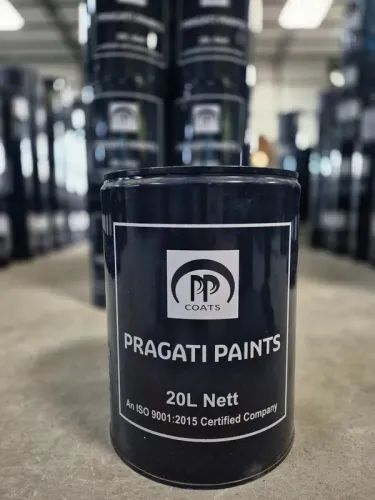
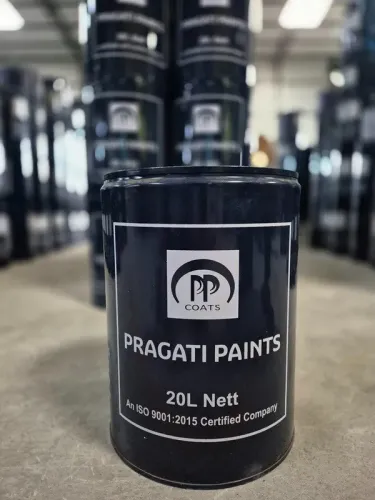
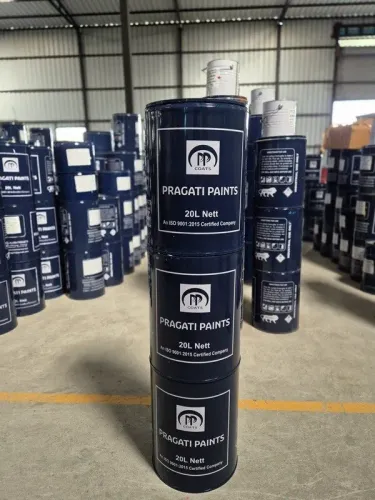
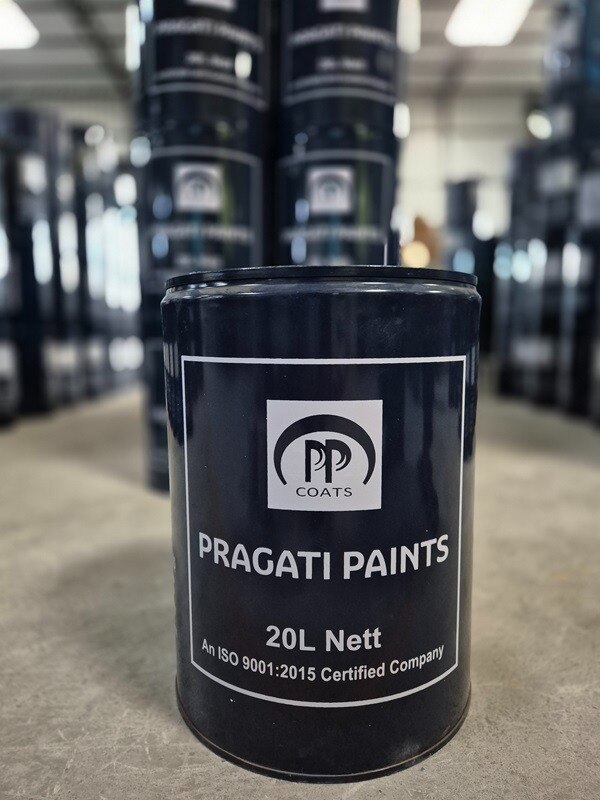
Pragati Paints & Allied Products can be included in the supplier comparison only after its proposed primer, topcoat and application limits are checked against those records. The zinc phosphate primer for maintenance contractors is a system decision, not a product-name decision.
Related products
 | Expoxy Paint Premium Anti-Corrosive Protection for Industrial Metal Surfaces When industries need the highest level of corrosion resistance and strong adhesion,... View product → |
 | Industrial Expoxy Paint Epoxy High Build Zinc Phosphate Primer Advanced Corrosion Protection for Industrial Steel Structures Industrial environments demand coatings that deliver long-lasting corrosion protection,... View product → |
Frequently asked questions
Where does epoxy zinc phosphate primer help in Pune maintenance repairs?
It suits prepared carbon steel on plant structures, machinery frames, tanks, pipe supports, platforms, gates and sheds where a low-permeability barrier and controlled recoat sequence are required.
How do contractors prevent trapped rust and early coating failure?
Remove loose rust, mill scale, oil, salts and dust; prepare the steel to the specified standard; confirm surface cleanliness and dryness; then apply primer within the allowed recoat and environmental limits.
Which surface-preparation standard should contractors specify?
Name the required standard, such as ISO 8501-1 Sa 2½ for abrasive blast cleaning or St 3 for thorough hand and power-tool cleaning, instead of specifying only 'clean steel'.
What moisture and film-thickness risks affect epoxy primer application in Pune?
Check steel temperature against dew point, stop when condensation threatens, remove surface salts and record wet- or dry-film thickness to prevent pinholes, solvent entrapment and under-protection.
What should a complete industrial coating specification include?
Specify surface preparation, primer, compatible intermediate and topcoat, target dry-film thickness, recoat interval, application method, environmental limits, inspection records and repair procedure.