
The premium is justified only when coating failure, difficult access or a shutdown costs more than the additional primer and application work. You will be able to compare primer types, test the equipment’s exposure, calculate installed lifecycle cost and write an inspection-ready specification before approving the system.
Key takeaways
- Choose the primer by exposure, steel condition and access to future repairs.
- Confirm zinc phosphate chemistry, dry-film thickness and compatible topcoat.
- Budget abrasive preparation, application labour and curing time—not paint alone.
- Require batch data, test results and an inspection plan from your supplier.
Start with the exposure and the steel, not the phrase “high build”
Carbon-steel equipment earns the premium for an epoxy high-build zinc phosphate primer when corrosion exposure, not appearance, drives the risk. Repeated wetting, monsoon storage, chemical dust, outdoor frames and expensive shutdown access can justify extra material, surface preparation and application labour.
Use it when the equipment will face:
- Rain, condensation or repeated wash-down
- Outdoor storage before dispatch or installation
- Fertiliser, salt, solvent or process-chemical dust
- A coating failure that requires dismantling production equipment
The value falls sharply for indoor machinery in a dry, controlled building. A conventional epoxy primer can deliver a lower installed cost there, especially when the steel stays clean, dry and accessible for maintenance.
The phrase epoxy paints high build zinc primer worth it in pune has no universal yes-or-no answer; the service environment decides it.
Do not confuse zinc phosphate with zinc-rich epoxy. Zinc phosphate improves barrier and inhibitive protection inside an epoxy film; it does not provide the metallic zinc contact required for cathodic protection. A thicker film containing little zinc is still not a zinc-rich primer.
Approve the high-build system when its specified dry-film thickness, recoat window and compatible topcoat fit the equipment schedule, and when your applicator can spray it without excessive thinning, sagging or repeated passes. If the added coating cost prevents one early repair during an inaccessible shutdown, the premium has paid for itself.
Choose the zinc mechanism and coating system that fits the service
Do not treat a thick film as proof of zinc protection. Zinc phosphate epoxy creates a barrier and inhibits corrosion; zinc-rich epoxy relies on electrical contact between zinc dust and steel for galvanic protection. For epoxy paints zinc primer value, compare the complete system, not price per litre or primer DFT.
| Option | What it means | Better choice |
|---|---|---|
| Zinc phosphate epoxy | Barrier primer; high-build versions add film thickness | Outdoor frames, monsoon wetting and general fabricated equipment |
| Standard epoxy | Non-zinc barrier primer | Dry indoor machinery where galvanic protection is unnecessary |
| Zinc-rich epoxy | Conductive zinc-dust primer for cathodic protection | Blasted carbon steel facing outdoor, chemical-dust or coastal exposure |
| Inorganic zinc silicate | Zinc-rich, heat-tolerant, solvent-resistant film | Severe corrosion or elevated temperature, with controlled application |
| HB MIO | High-build epoxy with micaceous iron oxide flakes | Abrasion, weathering and difficult-to-access steel where barrier reinforcement matters |
| PU zinc phosphate | Zinc phosphate primer under polyurethane | Equipment needing colour retention and UV-resistant PU finish |
Choose zinc-rich epoxy only when the zinc dust content, blast grade and compatible topcoat are specified. Keep the mix agitated; settled zinc produces uneven protection. Apply the topcoat inside the stated recoat window, or clean and abrade the cured film first.
For dry indoor service, standard epoxy is often the better value; for heat, use inorganic zinc silicate, while PU zinc phosphate suits a polyurethane finish.
Preparation and application decide whether the primer earns its premium
An acceptable dry-film thickness cannot rescue contaminated steel. Remove oil, mill scale, weld slag, sharp spatter, soluble salts and trapped abrasive before abrasive blasting to the preparation grade named in the technical data sheet, commonly Sa 2½ under ISO 8501-1. Check surface profile, dust and salts rather than assuming a clean-looking grey surface is ready.
Before spraying, confirm the high build zinc primer equipment in Pune can handle the product without improvised thinning or repeated passes:
- Match the airless pump ratio, hose length, filtration and spray tip to the product’s technical data sheet; an undersized tip gives poor atomisation, while excessive pressure creates dry spray and overspray.
- Mechanically agitate zinc-loaded material throughout application. Settled zinc produces an epoxy-rich start and zinc-rich finish with inconsistent protection.
- Stripe-coat welds, edges, corners, bolt heads and difficult recesses before the main coat; these areas lose thickness first.
- Measure wet-film thickness during spraying, then verify dry-film thickness after curing with calibrated gauges. Do not chase a low reading by spraying over a surface outside the recoat window.
Pune’s monsoon controls matter inside a workshop: keep steel and air temperature at least 3°C above dew point, control condensation, provide extraction, and isolate blasting dust from wet paint. Record temperature, relative humidity, batch number, mixing time, induction time and recoat timing.
Protect fresh film from rain, wash-down water and chemical dust until the specified cure is reached.
Calculate installed lifecycle cost before approving the primer
Approve the primer only when its higher installed cost is recovered through fewer failures, longer maintenance intervals, or avoided shutdown access. Compare the complete coating system, not the drum price: blasting and masking, stripe coating, spray labour, material loss, curing delay, handling, inspection, touch-up, rework and future access.
| Service condition | Likely cost advantage | Main cost risk |
|---|---|---|
| Indoor, dry machinery | Standard epoxy can minimise installed cost | Paying for protection you do not use |
| Outdoor carbon-steel equipment | High-build zinc phosphate can extend repaint intervals | Extra curing and application controls |
| Chemical dust, repeated wetting or monsoon storage | Premium system can avoid early repair and access work | Incompatible topcoat or failed surface preparation |
| Easy-to-dismantle equipment | Cheaper primer often remains economical | Shorter maintenance interval is manageable |
| Shutdown-critical machinery | Higher primer cost can be justified | One coating failure can stop production |
Calculate each option per machine: primer quantity after spray loss, blast hours, stripe-coat hours, applicator and inspector hours, cure-related idle time, and rework allowance. Add the future cost of removing guards, transporting the machine, isolating production and reaching corroded areas.
The epoxy primer cost benefit machinery makers seek is the difference between those totals over the planned service period. Record the assumptions:
- Confirm the minimum and maximum recoat window and curing temperature.
- Price one planned maintenance event and one unplanned repair.
- Include inspection hold points for surface profile, soluble salts, wet-film thickness and dry-film thickness.
- Reject a cheaper system if it requires extra passes, thinning, or frequent shutdowns.
Write a specification that a Pune supplier and applicator can prove
Require a signed, revision-controlled technical data sheet and safety data sheet before approval. It must identify zinc type, zinc-dust percentage where the product is zinc-rich, volume solids, recommended wet- and dry-film thickness, surface-preparation grade, pot life, thinner, curing temperature, recoat window and compatible epoxy or polyurethane topcoats.
| Proof item | Require | Reject when |
|---|---|---|
| System design | Blast grade, primer, intermediate, finish, total DFT and repair method | Only “zinc primer” and a litre price are quoted |
| Application data | Tip size, pressure, thinning limit, mixing ratio and induction time | The applicator relies on trial thinning |
| Equipment readiness | Pump, hose, filtration, spray tip, mixer, ventilation and gauges matched to the coating | High build zinc primer equipment in Pune is available but unverified |
| Inspection records | Surface profile, dust, climate, WFT, DFT, defects and repairs | Results are recorded without instrument serial numbers |
Hold the work after blasting, after stripe coating, after primer inspection and before topcoating. Release each stage only against signed readings: surface cleanliness, profile in micrometres, steel and dew-point temperatures, relative humidity, WFT and cured DFT.
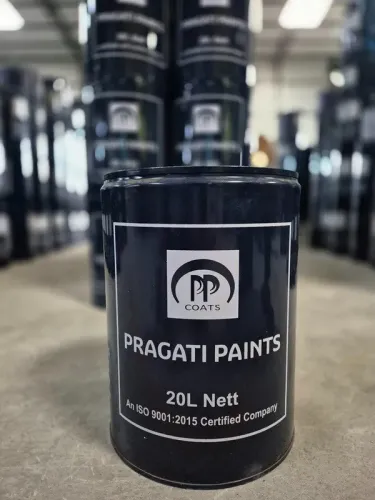
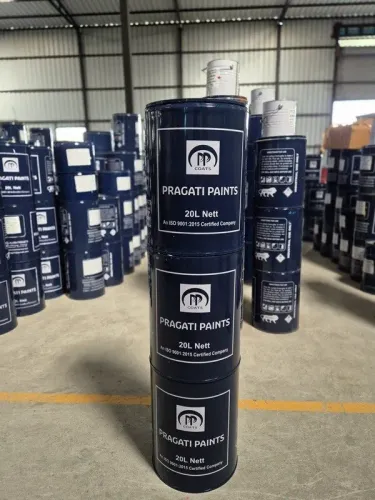
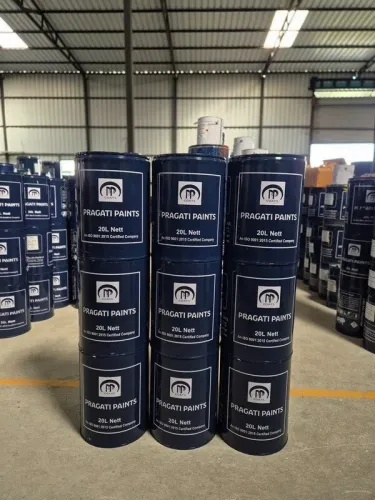
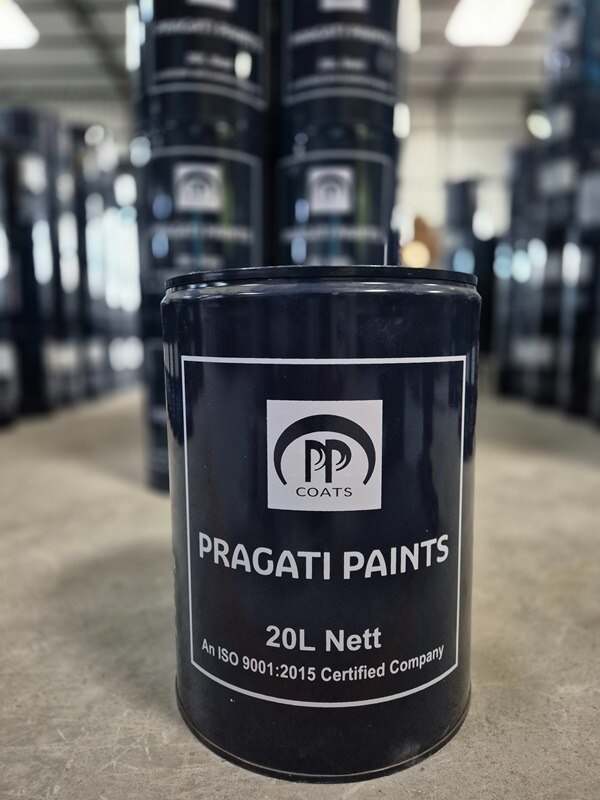
Ask Pragati Paints & Allied Products, or any shortlisted supplier, for batch certificates, calibration certificates, application logs, photographs, nonconformance reports and the approved repair procedure. To establish epoxy paints zinc primer value, retain labour hours, material consumption, rework and curing-delay records; those figures expose a cheap system that costs more to install.
Related products
 | Industrial Expoxy Paint Epoxy High Build Zinc Phosphate Primer Advanced Corrosion Protection for Industrial Steel Structures Industrial environments demand coatings that deliver long-lasting corrosion protection,... View product → |
 | Expoxy Paint High-Performance Protection for Steel Structures When it comes to long-term corrosion protection of metal surfaces, Epoxy Zinc Rich Primer is one of... View product → |
Frequently asked questions
When is epoxy high-build zinc primer worth using on Pune equipment?
It earns its premium when carbon-steel equipment faces repeated wetting, monsoon storage, chemical dust or costly shutdown access.
Does a high-build zinc primer replace surface preparation?
No. Remove rust, mill scale, oil, salts and dust, then verify the specified surface profile before application.
How should you compare the primer’s cost with alternatives?
Compare material, preparation, labour, curing time, access and likely recoating or repair costs across the equipment’s service life.
What should a Pune supplier and applicator prove?
Require the technical data sheet, safety data sheet, batch identification, dry-film thickness records, surface-preparation checks and coating inspection results.
Related products
 | Expoxy Paint Epoxy Primer – The Most Reliable Base Coat for Industrial Protection & Strong Adhesion When it comes to industrial painting, durability starts from... View product → |
 | Expoxy Paint Premium Anti-Corrosive Protection for Industrial Metal Surfaces When industries need the highest level of corrosion resistance and strong adhesion,... View product → |
 | Expoxy Paint Epoxy Inorganic Zinc Silicate Primer Heavy-Duty Anti-Corrosive Protection for Extreme Industrial Conditions When it comes to the highest level of corrosion protection, especially in... View product → |
 | Expoxy Paint Superior Barrier Protection with High Build Performance When industrial steel structures are exposed to harsh environments, selecting the right... View product → |