
A coal-tar epoxy system succeeds or fails before the black coating becomes visible: rust, salts, moisture, mixing errors and missed film-thickness checks can undermine an apparently sound job. By following each hold point from substrate inspection through cure and release, you can specify the work, question an application record and identify defects before the asset enters service.
Key takeaways
- Inspect steel or concrete before opening either coating component.
- Stop application below the product’s temperature, humidity or dew-point limits.
- Mix only the stated two-component ratio and observe its pot life.
- Confirm dry-film thickness, cure and adhesion before service exposure.
What must happen before the coating is mixed?
Do not open either coating component until the steel or concrete has passed a substrate inspection. A black film cannot correct corrosion, cracking, soluble salts or poor adhesion; it can trap those defects and cause underfilm corrosion, blistering or delamination.
1. Inspect steel for corrosion, mill scale, weld spatter, sharp edges, grease, oil, dust, soluble salts and loose old coating. Inspect concrete for cracks, laitance, curing compounds, laitance dust, friable areas, loose material and standing water.
2. Remove defective concrete and repair compatible defects with a repair material approved for the coating system. Let repairs reach the product data sheet’s required cure and moisture condition before proceeding.
3. Clean steel until rust, mill scale, grease, dust and loose coating are gone. Clean concrete by removing laitance, curing compounds, laitance dust and friable material; do not coat damp concrete or standing water.
4. Record the condition, defects found, repairs made and initial cleaning completed. Include photographs and the areas requiring reinspection.
Stop for inspection at this checkpoint. Verify that the surface is genuinely clean rather than merely dry or visually uniform; chloride or sulfate residues and abrasive dust can remain invisible. Coating over a hidden contaminant locks the problem beneath the film.
This first decision in the epoxy coal tar black coating stages separates a sound substrate from one that only looks ready.
How do you choose preparation, primer and the environmental stop point?
Choose preparation by substrate, access and service severity. Abrasive blasting to ISO 8501-1 Sa 2½ or SSPC-SP 10/NACE No. 2 suits severe immersion and buried steel when you can contain dust and abrasive. Power-tool cleaning suits local repairs and restricted access, but it leaves a different cleanliness grade and surface profile.
Water-jetting removes salts and contamination without creating an abrasive profile, so verify the specified surface condition before coating.
| Option | Result | Best use |
|---|---|---|
| Abrasive blasting | Near-white-metal cleanliness with a measurable abrasive profile | Severe immersion or buried steel with containment |
| Power-tool cleaning | Localised rust removal with a different cleanliness and profile | Repairs, edges and restricted access |
| Water-jetting | Removes salts and contamination without abrasive roughness | Salt-contaminated surfaces where the specified condition permits it |
After preparation, check visible cleanliness, surface profile, dust and chloride or sulfate residues. Residual salts under an immersion film can drive osmotic blistering even when adhesion appears sound. Record the results before proceeding.
Use a compatible epoxy primer only when the system data sheet requires or permits it. Direct application fails over an incompatible primer, active contamination or an unprepared surface.
Log steel temperature, air temperature, relative humidity and dew point. Stop when steel is less than 3°C above dew point, humidity exceeds the stated limit—often 85%—or the surface is wet. Pune monsoon humidity, shaded steel and overnight condensation make this the environmental stop point in an industrial coal tar black coating guide.
How are the two components mixed and applied?
The two components are an epoxy resin and an amine- or polyamine-based curing component. Coal-tar pitch contributes hydrophobicity and chemical resistance, but the film works only after the resin and curing agent cross-link in the correct proportions.
1. Read the technical data sheet before opening the packs. Confirm the exact volume or mass ratio, induction time, permitted thinner and maximum thinner limit, application-temperature range, and pot life.
2. Combine the full kit in a clean vessel at the stated ratio. Do not estimate a partial kit by eye, add solvent to extend pot life, or use material that has begun to gel; each shortcut can leave an under-cured film that looks acceptable.
3. Start the pot-life clock when mixing begins. Warm material and a large batch react faster, so discard the mixture when its stated pot life expires, even if it still appears workable.
4. Use a brush or roller where access is tight, and apply stripe coats to welds, corners, edges, bolts and crevices. Use airless spray on open areas only when the equipment, tip size and thinning match the data sheet.
5. Watch the wet film while applying it. Correct runs, pinholes and uneven build immediately rather than burying them under another coat.
6. Apply the next coat within the stated recoat window, not merely when the surface feels dry. These controls define the epoxy paints coal tar black process in Pune as chemical and application work, not colour mixing.
How do thickness, curing and final inspection prove the job is ready?
Readiness depends on measured film build, verified cure and documented inspection—not on a surface that merely looks black and dry. Use these checks to turn the epoxy coal tar black coating stages into evidence.
1. Measure wet-film thickness during every coat with a wet-film comb or wheel. Compare readings with the coating schedule so the target dry-film thickness is achieved across the full system, rather than guessed from one heavy pass.
2. After the coating has cured, measure dry-film thickness on ferrous steel with a calibrated magnetic or electronic gauge. Follow the inspection plan for reading locations, number of readings and acceptance limits, then investigate low readings instead of averaging them away.
3. Inspect the surface for holidays, pinholes, sags, missed edges, low readings and poor intercoat adhesion. Repair each defect by cleaning, feathering the surrounding film and recoating exactly as the repair procedure states.
4. Do not confuse surface dry with service cure. Keep immersion tanks, wastewater structures and buried components out of service until the manufacturer’s cure schedule is met at the actual temperature and humidity; low temperature and high humidity extend the wait.
A thick single pass can trap solvent, sag or blister, so apply two controlled coats when the system specifies them.
5. Record batch numbers, mix times, pot-life disposal, weather readings, WFT, DFT, repairs and final acceptance. This record is the practical industrial coal tar black coating guide for proving the job is ready.
How should you specify the system for a Pune project?
Specify the service before selecting the coating. Coal-tar epoxy forms a cross-linked barrier, not sacrificial galvanic protection; its black film can hide corrosion and chalk in sunlight. Do not approve it for potable water, high-temperature service or a particular solvent until the current data sheet confirms compatibility.
| Service question | Specification consequence |
|---|---|
| Water, soil or wastewater exposure | Confirm immersion, burial and chemical resistance |
| Sunlight or visual corrosion inspection | Accept chalking and limited visibility, or choose another finish |
| Potable water, heat or solvent contact | Reject unless documented compatibility covers the exact service |
For how epoxy paints coal tar black coating works in Pune, require a written method statement covering preparation grade, profile, salt testing, primer compatibility, dew-point readings, coat schedule, WFT and DFT limits, cure time and repair rules.
Coal-tar pitch contains polycyclic aromatic hydrocarbons, so the risk assessment must distinguish the cured film from dust, spray mist and thermal decomposition products.
- Provide ventilation, respiratory and skin protection, spray-mist controls and sealed waste handling.
- Restrict hot work over or through the coating; control dust and thermal decomposition products during sanding, removal or burning.
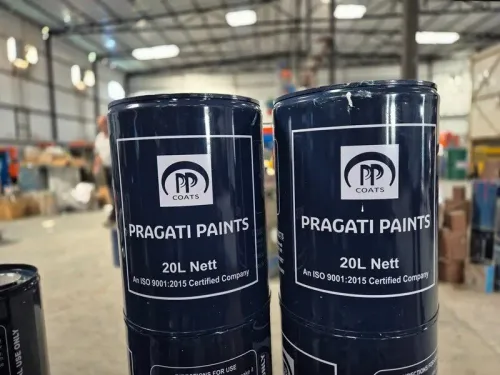
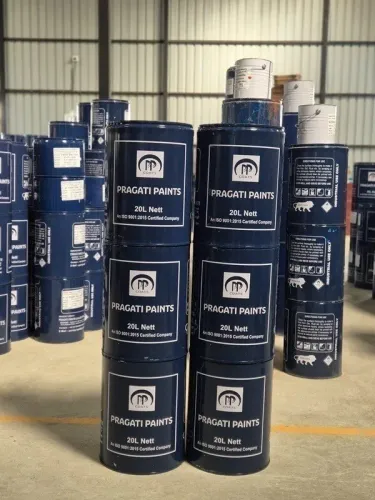
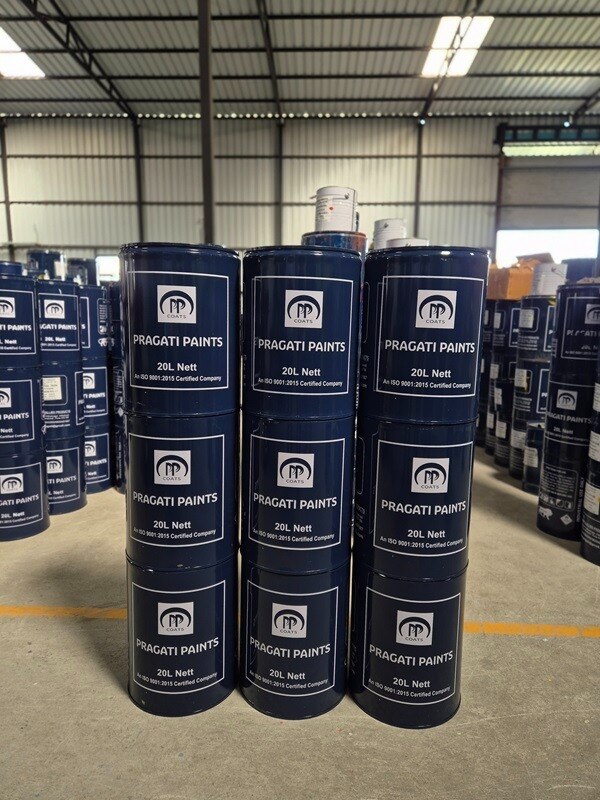
Request from Pragati Paints & Allied Products the current technical data sheet, safety data sheet, mixing instructions and compatibility confirmation. Choose only when those documents match the substrate and service.
Related product
 | Expoxy Paint Heavy-Duty Protection for Steel & Concrete in Immersed Conditions When steel or concrete structures are continuously exposed to water, chemicals, or... View product → |
Frequently asked questions
What must happen before epoxy coal tar black coating is mixed?
Inspect the steel or concrete first. Remove rust, weak concrete, cracking, soluble salts, oil, dust and other contaminants, then confirm the surface meets the specified cleanliness and profile.
How do you choose preparation, primer and the environmental stop point?
Select abrasive blasting, mechanical preparation or concrete preparation from the substrate condition and specification. Use the specified primer where required, and stop application when substrate temperature, air temperature, humidity or dew-point separation falls outside the product data sheet.
How are the two components mixed and applied?
Check the batch numbers, mix the resin and hardener at the manufacturer’s stated ratio, use the stated induction time if required, and apply within the published pot life using the approved brush, roller or spray method.
How do thickness, curing and final inspection prove the job is ready?
Measure wet-film thickness during application and dry-film thickness after curing. Check for pinholes, runs, missed edges, blisters and poor adhesion, then release the coating only after the specified cure time and service conditions are met.
How should you specify the system for a Pune project?
State the substrate, exposure, preparation standard, primer, epoxy coal tar black coats, target dry-film thickness, application method, environmental limits, cure schedule, inspection tests and repair procedure in the project specification.