A reliable primer job depends on more than choosing a high-build product: the steel must meet a defined cleanliness and profile standard, the two-pack must be mixed to its technical data sheet, and each coat must be measured. By the end, you will be able to map the work from inspection and blasting through application, curing, thickness checks and recoat decisions.
Key takeaways
- Confirm whether the primer is zinc-rich or zinc-phosphate before mixing.
- Blast-clean steel to Sa 2½ and measure the surface profile.
- Follow the technical data sheet for induction time, pot life and spray settings.
- Record wet film, dry film, weather conditions and recoat timing.
Identify the zinc primer system and release the steel for coating
Do not release steel for coating until the approved zinc primer system, service conditions and substrate condition are documented. “High-build zinc primer” can mean an epoxy zinc-rich primer, which provides sacrificial cathodic protection, or a zinc-phosphate epoxy primer, which provides barrier and corrosion-inhibiting protection. Their film builds, mixing instructions and repairs are not interchangeable.
- Confirm the product name, revision of its technical data sheet, approved coating schedule, component ratio, required thickness and recoat limits. Record each component’s batch number and expiry date.
- Confirm that the system suits the exposure. Immersion, continuous condensation, chemical service and elevated temperature require approval for the complete coating system, not just the primer.
- Confirm the specified preparation standard, normally ISO 8501-1 Sa 2½ or SSPC-SP 10/NACE No. 2 for zinc-rich coatings, plus the manufacturer’s required angular profile.
- Inspect the steel for mill scale, rust, oil, grease, weld spatter, sharp edges and moisture. Arrange removal before blasting or coating.
- Confirm that abrasive residue, dust, spent blast media and soluble salts will be checked. Use ISO 8502-6 extraction followed by ISO 8502-9 conductivity measurement; accept only against the project’s stated salt limit.
- Check steel temperature, air temperature, relative humidity and dew point. Keep steel at least 3 °C above dew point, particularly during humid coastal application in Chennai.
Once these records pass, the responsible inspector can release the steel for epoxy paints high build zinc for primer application.
Blast-clean steel to Sa 2½ and verify the surface profile
Abrasive-blast steel to Sa 2½ under ISO 8501-1, also identified as SSPC-SP 10/NACE No. 2. This removes mill scale, rust and tightly bonded coating; solvent wiping alone cannot create the clean, keyed surface needed for epoxy primer application stages.
1. Confirm that the approved product is an epoxy zinc-rich primer or a zinc-phosphate-pigmented epoxy primer. Zinc-rich products use metallic zinc dust for sacrificial protection; zinc phosphate products provide barrier and inhibitive protection, so do not transfer their preparation or thickness requirements between systems.
2. Inspect the blast-cleaned steel under suitable lighting. Reject visible oil, grease, abrasive residue, loose dust, rust, mill scale and old coating. Remove dust with clean, dry, oil-free air or an approved vacuum.
3. Test soluble salts when the specification requires it. Use ISO 8502-6 to extract contamination and ISO 8502-9 to measure conductivity; accept the result only against the project’s stated salt limit.
4. Measure the angular surface profile with a surface-profile comparator, replica tape or electronic gauge. Use ASTM D4417 or ISO 8503 methods and compare the result with the primer manufacturer’s specified range.
5. Release the steel only after recording the cleanliness grade, profile readings and contamination results. Excessive profile consumes primer and leaves peaks thin; insufficient profile reduces adhesion.
These high build zinc phosphate primer steps prevent a clean-looking blast from hiding a coating failure. Stripe-coat welds, edges, corners, bolts and crevices after release, because spray coverage is weakest on those areas.
Mix and spray the primer according to its technical data sheet
Use the product’s technical data sheet as the controlling document: it sets the mixing ratio, induction time, pot life, reducer, spray tip, pressure, wet-film limit and recoat interval.
Do not apply an epoxy zinc-rich primer as though it were a zinc-phosphate epoxy; zinc-rich products contain metallic zinc dust and need thorough dispersion, while zinc-phosphate products provide barrier and inhibitive protection without sacrificial action.
1. Confirm the approved product, batch number and shelf life. Check that the blasted steel is clean and dry, then remove dust, abrasive residue, oil and soluble salts before mixing.
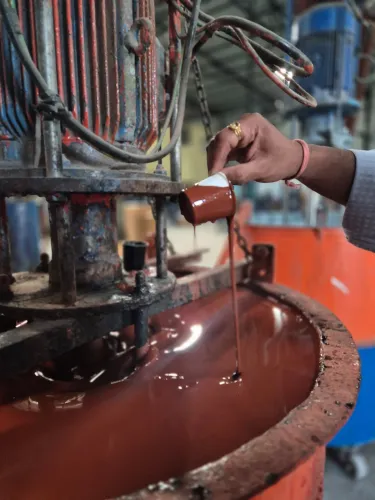
2. Mix the components in the stated ratio by weight or volume. Mix the resin and hardener with a slow-speed mechanical stirrer, scrape the container sides and bottom, and add zinc powder gradually if the product supplies it separately.
3. Allow the mixture to induct for the stated period. Start a timer when mixing ends, and discard material when its pot life expires; adding reducer does not restore usable pot life.
4. Thin only with the named reducer and only at the listed percentage. Excess thinning reduces film build, changes spray behaviour and can weaken corrosion performance.
5. Apply with airless spray using the specified tip orifice, pressure and fan width. Spray overlapping passes to the target wet-film thickness rather than forcing the full build in one pass.
6. Keep the gun perpendicular to the steel and maintain a steady distance. Excessive wet film causes sagging, solvent entrapment, pinholes and slow curing.
Record mixing time, reducer quantity, batch number and application conditions. Clean equipment before the pot life ends.
Control wet film, dry film, stripe coats and curing
Thickness comes from measured passes, not from turning up spray pressure. Confirm the approved product, batch, specified wet-film thickness (WFT) and dry-film thickness (DFT) before coating; excessive build can cause sagging, solvent entrapment, pinholes and slow curing.
The high build zinc phosphate primer steps begin with a stripe coat on welds, edges, corners, bolt heads and crevices. Work the primer into these areas without leaving ridges, then apply the body coat with an airless spray gun using the tip, pressure, reducer and maximum pass thickness stated on the technical data sheet.
- Measure WFT immediately with a calibrated wet-film comb at several locations, including edges and repaired areas.
- Keep each pass within the stated range; do not compensate for low build by flooding one coat.
- Allow the coat to cure at the specified temperature before checking DFT with a calibrated gauge.
- Record readings against the project acceptance standard, such as SSPC-PA 2, when specified.
The epoxy primer application stages are complete only when the cured film meets both minimum and maximum DFT limits. A low reading leaves steel underprotected; a high reading traps solvent and can crack or delay recoating.
Repair sags, pinholes, holidays, dry spray and missed edges before the next coat. Remove defective material as directed by the product data sheet, feather sound edges, clean the repair area and reapply primer. Do not recoat until the stated minimum cure time and inspection release are achieved.
Manage weather, recoat windows and the final application decision
A coated steel surface is ready for recoating only when it is clean, dry, cured within the manufacturer’s recoat window, and still suitable for the next coat.
During industrial primer application in Chennai, stop work whenever steel temperature is less than 3°C above the measured dew point; coastal humidity can create invisible condensation before the surface looks wet.
Check these release points before recoating:
- Confirm the elapsed time, minimum and maximum recoat interval, curing temperature, and solvent or thinner limits in the product technical data sheet.
- Measure dry film thickness at representative areas and compare it with the specified range. Investigate runs, pinholes, cracking, overspray, dry spray, exposed steel and adhesion loss.
- Remove dust, abrasive residue, oil and salts. If contamination is suspected, use ISO 8502-6 extraction followed by ISO 8502-9 conductivity measurement and apply the project’s salt limit.
- Abrade glossy or chalked primer and repair damaged areas before applying the next coat.
- Record steel temperature, air temperature, relative humidity and dew point during the inspection.
For epoxy paints high build zinc for primer application, do not release the steel for service from primer thickness alone. Atmospheric exposure may suit a zinc-rich system, while immersion, continuous condensation, chemical contact or high temperature requires approval of the complete coating system.
Pragati Paints & Allied Products can help distinguish zinc-rich from zinc-phosphate primer when the specified service has not been clearly identified.
Related product
 | Industrial Expoxy Paint Epoxy High Build Zinc Phosphate Primer Advanced Corrosion Protection for Industrial Steel Structures Industrial environments demand coatings that deliver long-lasting corrosion protection,... View product → |
Frequently asked questions
What must you confirm before applying a high-build zinc primer?
Confirm the approved primer type, service conditions, substrate condition, technical data sheet and release documentation. Zinc-rich epoxy and zinc-phosphate epoxy primers are not interchangeable.
What surface preparation does epoxy high-build zinc primer require?
Blast-clean the steel to Sa 2½ and verify that the surface is clean, dry and free from dust, salts, oil and abrasive residue. Measure the surface profile with a suitable profile comparator or gauge.
How do you mix and spray epoxy zinc primer?
Use the component ratio, induction time, thinner limits, pot life and spray equipment settings stated in the primer’s technical data sheet. Mix each component thoroughly before combining them.
How do you control film thickness and curing?
Apply specified stripe coats to edges, welds and difficult areas, then control wet-film thickness during spraying and verify dry-film thickness after curing. Observe the stated recoat window and curing conditions.
When should you stop or reject a primer application?
Stop when steel or air temperature, relative humidity, dew-point separation, rain, condensation or contamination falls outside the product data sheet and project specification. Release the work only after inspection records meet the acceptance criteria.