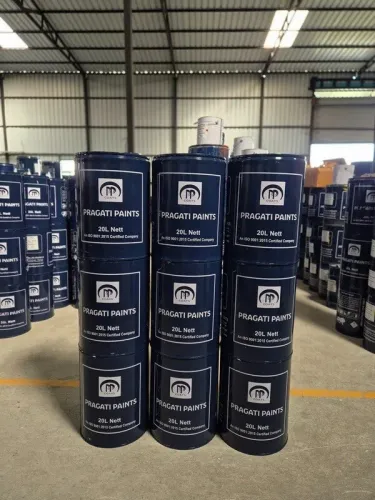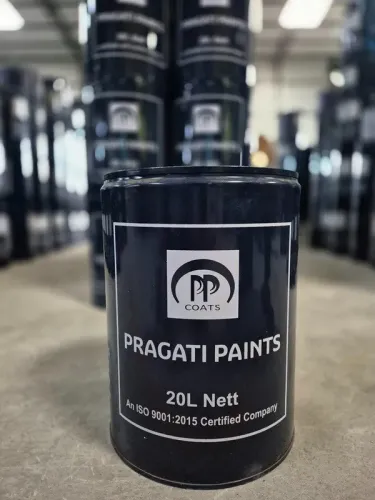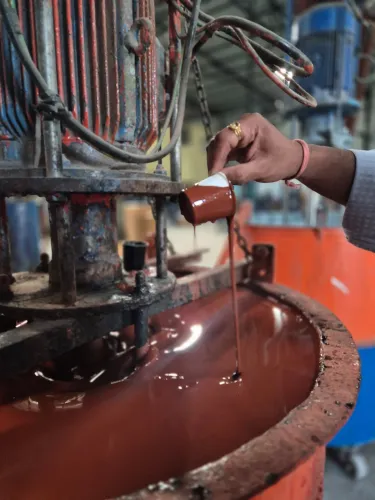

Stock epoxy zinc-rich primer when your customers regularly coat blast-cleaned structural steel, tanks, machinery, or fabricated assemblies under a documented multi-coat system. By the end, you will be able to assess demand, distinguish it from competing primers, screen unsuitable jobs, and control the storage and application risks that turn slow-moving stock into claims.
Key takeaways
- Prioritise fabricators, tank builders, shipyards, and industrial maintenance contractors.
- Compare zinc content, surface preparation, recoat window, and compatible topcoats.
- Verify batch numbers, shelf life, mixing ratio, and technical data before selling kits.
- Avoid recommending it for low-cost jobs, damp surfaces, or incompatible application conditions.
Which customers justify carrying epoxy zinc-rich primer?
Repeat industrial demand, not occasional curiosity, justifies carrying epoxy zinc-rich primer. The strongest prospects are fabricators, structural-steel contractors, tank manufacturers, machinery builders, bridge and infrastructure maintenance teams, shipyard suppliers, and industrial maintenance contractors.
| Customer group | Buying signal | Why it justifies stock |
|---|---|---|
| Fabricators and structural-steel contractors | Abrasive blast cleaning and specified zinc-rich primer | Repeat structural work |
| Tank manufacturers and machinery builders | Primer, epoxy intermediate, and defined dry-film thickness | Matched system purchases |
| Bridge, infrastructure, and shipyard teams | Outdoor or coastal steelwork | Higher corrosion-control demand |
| Industrial maintenance contractors | Recurring shutdown or repair schedules | Predictable replenishment |
Look for enquiries that name abrasive blast cleaning, a zinc-rich primer, an epoxy intermediate, or a polyurethane finish. Coastal steelwork and exposed outdoor structures create a stronger case than small domestic repainting jobs.
Before reserving shelf space, ask for:
- Project specification and steel substrate
- Exposure condition and required dry-film thickness
- Topcoat, pack size, and expected monthly usage
- Preparation standard and required recoat window
Separate specification-grade structural products from maintenance-grade products. Treating every zinc-rich label as equivalent creates substitution errors involving zinc classification, preparation, recoat time, and topcoat compatibility.
For epoxy zinc rich primer for dealers, the practical test is whether local buyers need a repeatable corrosion-control system and can handle a two-pack product. Customers who cannot describe the steelwork, preparation, topcoat, or recoat window rarely justify inventory.
The same test should guide epoxy zinc rich primer wholesale: repeat orders outweigh occasional requests because this is a system component, not a universal base coat.
What makes epoxy zinc-rich primer different from competing primers?
Metallic zinc dust is the deciding feature. In a properly formulated epoxy zinc-rich film, electrically connected zinc provides sacrificial galvanic protection when steel is exposed; the epoxy binder supplies adhesion, cohesion, and barrier protection.
That is not the same as an epoxy primer containing zinc phosphate. Zinc phosphate relies mainly on barrier and inhibitive-pigment action, not a zinc-metal electrical network. The main epoxy zinc rich primer benefits are therefore damage tolerance, strong blast-cleaned-steel adhesion, and compatibility with epoxy or polyurethane systems.
For epoxy paints zinc for rich primer applications, compare ASTM D520 zinc-powder classification, requirements cited by SSPC Paint 20 or SSPC Paint 29, and cured-film zinc content in the technical data sheet. A product name alone does not prove equal performance.
| Option | Protection mechanism | Preparation and film | Drying, topcoat, and conditions |
|---|---|---|---|
| Epoxy zinc-rich primer | Metallic-zinc galvanic protection plus epoxy barrier | Abrasive blast preparation; verify zinc classification and specified dry-film thickness | Two-pack handling; epoxy or polyurethane topcoats; check VOC, pack size, temperature, and humidity limits |
| Inorganic zinc silicate | Metallic-zinc galvanic protection | Tight humidity, curing, and film-thickness control | Strong high-temperature and solvent resistance; overcoating can be demanding |
| Zinc phosphate epoxy, alkyd, or Q.D. primer | Barrier and inhibitive pigment action | Simpler preparation and thinner-film maintenance use | Faster or simpler application; no metallic-zinc electrical network |
Use the comparison to prevent substitution errors, not merely to compare prices. Two products labelled zinc-rich can differ in zinc content, preparation standard, drying speed, recoat window, VOC, and application conditions.
What must a dealer verify before selling a kit?
Verify the complete coating system before treating a kit as saleable: primer preparation, thickness, intermediate coat, finish coat, exposure, and recoat window matter more than the label. For structural steel, ask whether the specification requires Sa 2½ under ISO 8501-1 or SSPC-SP 10/NACE No. 2.
1. Confirm the surface profile range, edge treatment, primer dry-film thickness, and finish system. Oil, grease, soluble salts, rust, mill scale, and loose paint must be removed before blasting, and flash rust must be controlled before coating. Rust or mill scale between zinc and steel breaks electrical contact and reduces galvanic protection.
2. Match the base with its correct curing agent. Require mechanical mixing, the stated induction time, temperature-dependent pot life, and safe disposal of leftovers; never return mixed material to either original container.
3. Check wet-film and dry-film limits, thinning limits, curing temperature, spray-tip and pressure guidance, and agitation requirements during application. Extra coats are not a safe shortcut: excessive thickness can cause solvent entrapment, pinholing, mud cracking, wrinkling, or delayed cure.
4. Inspect settled kits before dispatch. Heavy zinc pigment settles quickly, so store kits within the manufacturer’s temperature range, agitate mechanically, and rotate stock by batch and manufacture date. Shaking a large settled kit by hand can produce uneven zinc loading.
5. For epoxy zinc rich primer wholesale, retain the current technical data sheet and safety data sheet with each matched kit, including shelf life, batch traceability, and the specified recoat window.
When is epoxy zinc-rich primer the wrong recommendation?
Do not recommend epoxy zinc-rich primer as a direct-to-rust product unless the manufacturer has tested and approved that exact system. Dirty, smooth, unprepared, and non-metallic substrates are poor fits.
Rust, mill scale, old paint, or another insulating layer between the zinc film and steel breaks electrical contact, so the epoxy zinc rich primer benefits do not include reliable galvanic protection in that condition.
Check immersion service before approving the product. Tanks, pipelines, and submerged steel need a system specifically qualified for continuous immersion, not a generic outdoor specification. Confirm the product’s service-temperature range and resistance to the chemicals in contact with the coating.
Reject the recommendation when the customer:
- Needs a fast-drying, single-pack coating
- Lacks mechanical mixing for the two-pack material
- Cannot achieve the specified abrasive-blast preparation
- Wants to coat a non-metallic, contaminated, or smooth surface
- Plans to apply an incompatible topcoat
Epoxy zinc-rich primer is usually easier to overcoat with epoxy intermediates and polyurethane finishes than inorganic zinc silicate, but adhesion can still fail. Zinc salts, contamination, amine blush, incomplete curing, or excessive gloss may require cleaning, abrasion, or a compatible tie coat.
Do not treat ISO 12944 classes C3, C4, or C5 as approval of the primer alone. Match the specified primer, intermediate, finish, dry-film thicknesses, preparation, and durability target to the job specification.
How should you calculate the stock and supplier risk?
Calculate epoxy zinc-rich primer for dealers as controlled inventory, not ordinary shelf paint. Forecast by customer type, project size, pack size, and pot life after mixing: small kits reduce waste on short maintenance jobs, while large matched packs suit fabricators.
| Option | Stock decision | Evidence required |
|---|---|---|
| Specification-grade epoxy zinc-rich primer | Carry one option | Zinc classification, preparation standard, recoat window, VOC, and topcoat guidance |
| Maintenance-grade option | Carry only for a distinct demand pattern | The same documents, with its permitted service and preparation clearly stated |
| Compatible intermediate | Add when customers could buy an incomplete system | Approved epoxy or polyurethane compatibility and recoat instructions |
For epoxy zinc rich primer wholesale, record every base and curing-agent batch number, their pairing, manufacture date, unopened shelf life, and remaining shelf life at dispatch. Rotate matched packs together; mixed leftovers have a temperature-dependent pot life and cannot return to either original container.
Keep the current safety data sheet and technical data sheet in the product file. Check flash point, VOC calculation method, transport classification, hazardous-material rules, solvent handling, epoxy sensitisation, and disposal instructions before ordering.
Compare margin after slow-stock write-offs, tinting or mixing labour, technical support, returns, and failed-application claims—not unit price alone. For Chennai buyers, Pragati Paints & Allied Products is worth evaluating when it provides matched packs, current documents, batch traceability, and complete-system guidance. Without that evidence, stocking is speculation.
Related product
 | Expoxy Paint High-Performance Protection for Steel Structures When it comes to long-term corrosion protection of metal surfaces, Epoxy Zinc Rich Primer is one of... View product → |
Frequently asked questions
Which customers justify carrying epoxy zinc-rich primer?
Repeat buyers such as structural-steel fabricators, tank manufacturers, machinery builders, shipyard suppliers, infrastructure maintenance teams, and industrial painting contractors justify regular stock.
What makes epoxy zinc-rich primer different from competing primers?
It combines epoxy adhesion and barrier protection with zinc-pigment corrosion protection, but it demands correct mixing, surface preparation, and topcoat compatibility.
What must a dealer verify before selling an epoxy zinc-rich primer kit?
Check the component ratio, batch numbers, manufacture and expiry dates, zinc content, induction time, pot life, recoat window, storage conditions, and technical data sheet.
When is epoxy zinc-rich primer the wrong recommendation?
Recommend another system for poorly prepared or damp steel, short-duration jobs, decorative work, low-budget applications, or projects whose topcoat is incompatible.
How should a dealer calculate stock and supplier risk?
Use repeat monthly demand, kit size, shelf life, lead time, minimum order quantity, and slow-moving stock exposure to set a cautious opening quantity.