
Industrial painting is not simply about applying a layer of colour over a surface. The performance of an industrial coating depends on several factors, including product selection, surface preparation, application method, and environmental conditions.
Many coating failures occur because of avoidable mistakes during planning or execution. For industries in Pune involved in manufacturing, fabrication, engineering, and infrastructure, understanding these issues can help improve coating durability and reduce unnecessary maintenance.
Choosing the Wrong Paint System
One of the most common mistakes is selecting a coating without considering the actual operating environment.
Different applications require different systems, such as:
EPOXY PAINTS for corrosion protection and chemical resistance
PU coatings for finish quality and weather resistance
High temperature coatings for heat-exposed surfaces
Synthetic paint systems for specific industrial requirements
A coating suitable for one environment may not perform well in another.
Ignoring Surface Preparation
Surface preparation is one of the most important steps before painting.
Dust, oil, rust, moisture, and surface contamination can reduce adhesion between the coating and substrate.
Before application, industries should evaluate:
Surface cleanliness
Existing rust or damage
Required surface treatment
Compatibility with previous coatings
A properly prepared surface creates a stronger foundation for the paint system.
Applying Incompatible Coating Layers
Industrial coatings are often applied as systems rather than individual products.
For example, a primer, intermediate coat, and finishing coat must work together. Using incompatible materials can lead to:
Poor adhesion
Cracking
Peeling
Reduced coating life
Professional evaluation helps ensure that each layer supports the next.
Ignoring Environmental Conditions During Application
Temperature, humidity, and surrounding conditions can affect coating performance.
Applying paint in unsuitable conditions may impact:
Drying time
Film formation
Surface finish
Long-term durability
Industries should follow recommended application conditions for better results.
Reducing Coating Thickness
Some industrial users focus on reducing material usage to control costs. However, insufficient coating thickness can reduce protective performance.
The required thickness depends on:
Exposure level
Surface condition
Product specifications
Required service life
Following technical recommendations helps achieve better value over time.
Not Planning Future Maintenance
A good coating strategy considers future maintenance requirements.
Industries should maintain records related to:
Paint system used
Application date
Surface condition
Maintenance schedule
This helps improve future coating decisions.
Selecting the Right Industrial Paint Partner
A reliable coating provider helps businesses understand product requirements instead of focusing only on immediate application.
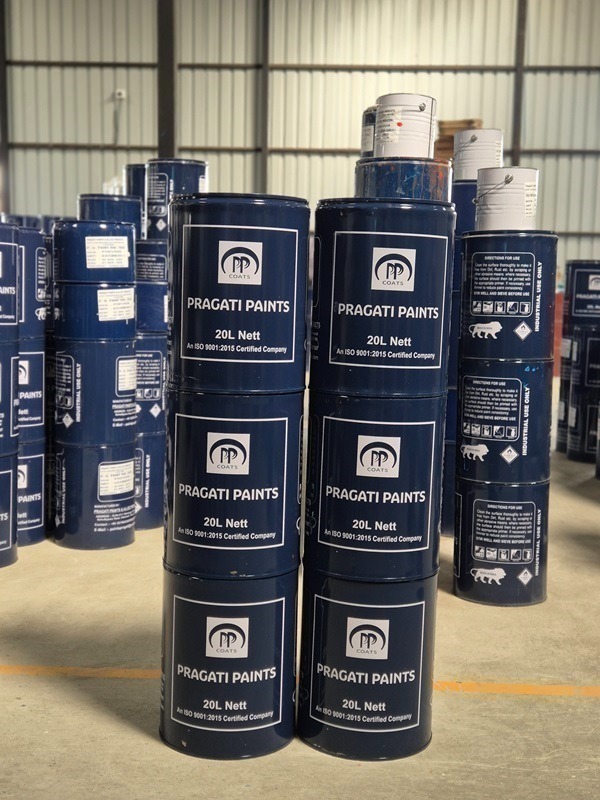
Pragati Paints and Allied Products supports industrial customers in Pune by offering coating solutions suited for different surface protection needs.
Avoiding common painting mistakes allows industries to improve coating performance, protect valuable assets, and reduce frequent repair requirements. A planned approach from product selection to application creates better long-term results.