
A failed zinc-rich primer is rarely fixed by applying another coat over the visible defect. You will learn how to identify the binder, verify blast and curing conditions, trace common zinc silicate coating problems to their causes, and choose a repair system that will actually bond and protect the steel.
Key takeaways
- Confirm the binder from the data sheet, safety data sheet, and batch label.
- Keep steel above dew point and remove oil, salts, rust, and abrasive dust.
- Control mixing, wet-film thickness, spray technique, and recoating intervals.
- Match repairs to the service environment instead of choosing by primer label.
Identify the Primer Chemistry Before Diagnosing the Failure
Start with the binder, not the word “zinc.” Confirm it in the product data sheet, safety data sheet, and batch label; colour and surface appearance cannot reliably identify a failed film.
1. Conventional inorganic zinc silicate primer uses an alkali-silicate binder, usually ethyl silicate. It needs moisture for hydrolysis and condensation, offers high solvent resistance after cure, and normally provides strong electrical continuity. Recoating requires a controlled cure and surface cleaning; many grades are intended for atmospheric service, not continuous immersion.
2. An epoxy inorganic zinc silicate primer uses an organic epoxy binder. “Epoxy” identifies the resin chemistry in that formulation, not a guarantee of identical curing, conductivity, recoating behaviour, or immersion performance. Confirm the manufacturer’s approved overcoat and service limits.
3. An epoxy zinc-rich primer is an organic epoxy coating containing zinc pigment; it is not automatically an epoxy zinc silicate. Its cure, solvent resistance, immersion suitability, and conductivity depend on the complete formulation, zinc loading, and approved coating system.
4. A zinc phosphate primer uses zinc phosphate as an inhibitive pigment in a binder, usually epoxy, alkyd, or another organic resin. It does not provide the same sacrificial zinc mechanism as zinc silicate.
An industrial corrosion primer describes a service function, not a chemistry. Zinc silicate protects steel when electrically connected zinc particles corrode preferentially and protect the steel cathodically. Zinc content alone proves nothing: excess binder, contamination, poor dispersion, or excessive thickness can interrupt particle-to-particle and particle-to-steel contact, leaving rust despite a high nominal zinc percentage.
Set the Steel and Weather Conditions That Prevent Early Failure
A zinc silicate primer fails early when clean-looking steel, trapped salts, or unsuitable weather is accepted without verification. Set the surface and record the conditions before application or recoating.
1. Abrasive-blast the steel to Sa 2½ or SSPC-SP 10/NACE No. 2. Remove oil, grease, mill scale, weld residue, dust, flash rust, and corrosion products. A commonly specified surface profile is 40–75 µm (1.5–3 mils), but the product data sheet controls the final range.
2. Test for soluble chloride and sulfate salts, including deposits trapped in corrosion pits, and compare the result with the project’s stated limit. Visual blast cleanliness proves that loose contamination is gone; it does not prove that invisible salts have been removed from pits. Wash, reblast, or repeat cleaning until the specified limit is met.
3. Record substrate temperature, air temperature, relative humidity, steel temperature, and the dew-point gap. Do not apply when the steel is close to its condensation temperature; condensation beneath an inorganic zinc silicate primer creates zinc silicate coating problems before the film appears defective.
4. Confirm the technical data sheet’s humidity, temperature, and rain limits. Inorganic silicate curing needs moisture for hydrolysis and condensation: low humidity delays cure, while rain, condensation, or excessive humidity can cause whitening, bubbling, weak film, and poor intercoat adhesion. Apply or recoat only inside the specified environmental window.
Control Mixing, Film Thickness, Spraying, and Recoating
A correct average dry-film thickness does not excuse local application defects. Check the product data sheet for component ratio, mixing method, induction time, pot life, approved thinner, spray equipment, nozzle size, atomisation pressure, ventilation, wet-film thickness (WFT), dry-film thickness (DFT), and minimum and maximum recoat intervals.
An epoxy inorganic zinc silicate primer is not applied like a conventional epoxy.
| Mistake | Film damage |
|---|---|
| Single heavy pass or excessive total DFT | Mud cracking, shrinkage cracks, pinholes, trapped solvent or water, poor cohesion |
| Dry spray or overspray | Porous, powdery contamination that weakens the film and disrupts topcoat adhesion |
| Wrong thinner, pressure, nozzle, or expired pot life | Poor atomisation, sagging, uneven cure, or weak film |
Apply the specified WFT in controlled passes, verify DFT at representative locations, and keep ventilation within the PDS limits. Do not chase a low reading by laying on one thick coat.
Respect the curing window. Early recoating can trap water or retained alkalinity; prolonged exposure leaves zinc salts, dirt, and chalking. Before recoating, perform the specified fresh-water wash, dry completely, remove soluble salts, and use sweep blasting or mechanical cleaning when directed.
| Recoat condition | Required action |
|---|---|
| Before minimum interval | Wait for the specified cure |
| After maximum interval | Wash, dry, clean, then recoat only after approval |
These zinc silicate coating problems often begin with treating epoxy zinc silicate as ordinary epoxy.
Trace the Visible Defect to Its Corrective Action
Match each zinc silicate coating problem to its cause before choosing a repair. An industrial corrosion primer that looks sound may still fail if its zinc network, cure, or intercoat bond is defective.
1. Mud cracking points to excessive wet-film or dry-film thickness, especially after one heavy pass. Remove all unsound coating; abrasive-blast back to sound steel, then repair pits or welds before rebuilding the specified system.
2. Pinholes and bubbling indicate porous application, trapped moisture, contamination, or substrate outgassing. Clean the area, remove loose material, and test for salts, moisture, and surface cleanliness before recoating. Never apply directly over loose zinc residue.
3. Powdering or overspray roughness indicates dry spray, poor atomisation, expired pot life, or inadequate cure. Remove powdery or chalking material, then abrasive-blast or mechanically clean until the remaining film is cohesive. Excessive wet film or unsuitable thinner causes sagging; remove runs and reapply within the specified thickness.
4. Poor adhesion or delamination points to salts, oil, zinc-salt residue, an incompatible overcoat, or recoating outside the approved window. Remove delaminated material. Abrade an intact but glossy film, wash away residues, and dry it before recoating.
5. Rust staining and early corrosion indicate damaged steel, low surface profile, discontinuous zinc contact, weld or edge holidays, or salt contamination. Blast back to sound steel and stripe-coat repaired welds and edges where specified.
An epoxy topcoat is not automatically compatible. If direct epoxy overcoating lacks manufacturer approval, use the specified compatible tie coat or intermediate coat after cleaning and testing.
Choose the Repair System for the Service, Not the Label
Retain a sound zinc silicate primer for blast-cleaned steel when sacrificial zinc protection, controlled curing, and atmospheric exposure are available. Overcoat it only after testing adhesion, removing zinc salts and contamination, and confirming the proposed coat is approved; replace it when the film is loose, cracked, salt-contaminated, or incompatible.
| Option | Service decision | Action |
|---|---|---|
| Zinc silicate | Atmospheric steel with suitable blast cleaning and curing weather | Retain or approved-overcoat |
| Epoxy zinc silicate | Selected immersion or chemically aggressive systems | Use only within the complete approved system |
| Zinc silicate | Impossible blast cleaning, unsupported cure conditions, continuous immersion, or severe acid/alkali exposure | Replace with a specified alternative |
The word “zinc” does not prove suitability. An epoxy zinc-rich primer may fit an immersion or chemical-service system, but the complete approved coating system determines performance. “Industrial corrosion primer” describes a function, not a chemistry.
For welds, edges, repair patches, and shop damage, remove welding residues and salts, abrasive-blast the steel, stripe-coat edges and welds where specified, then restore compatible coats. Do not brush generic epoxy over damaged zinc silicate without written approval; use the specified tie coat when direct overcoating is not approved.
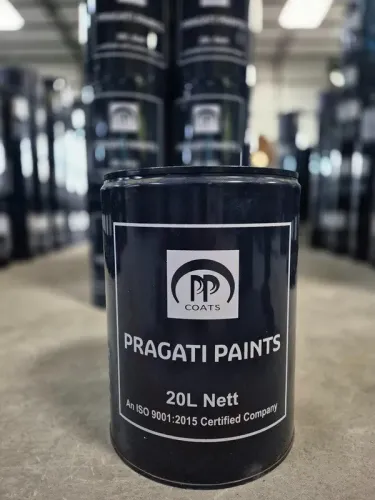
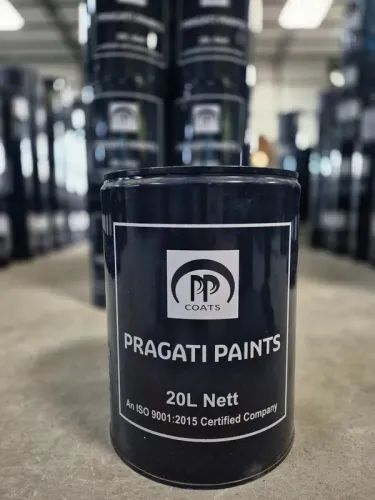
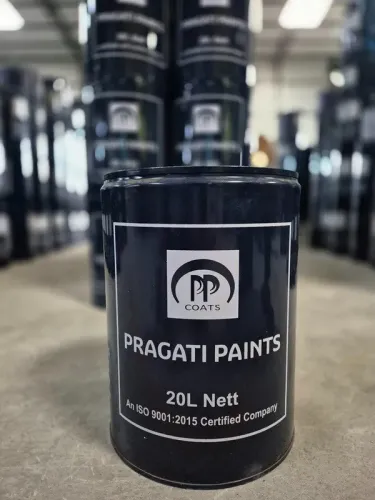
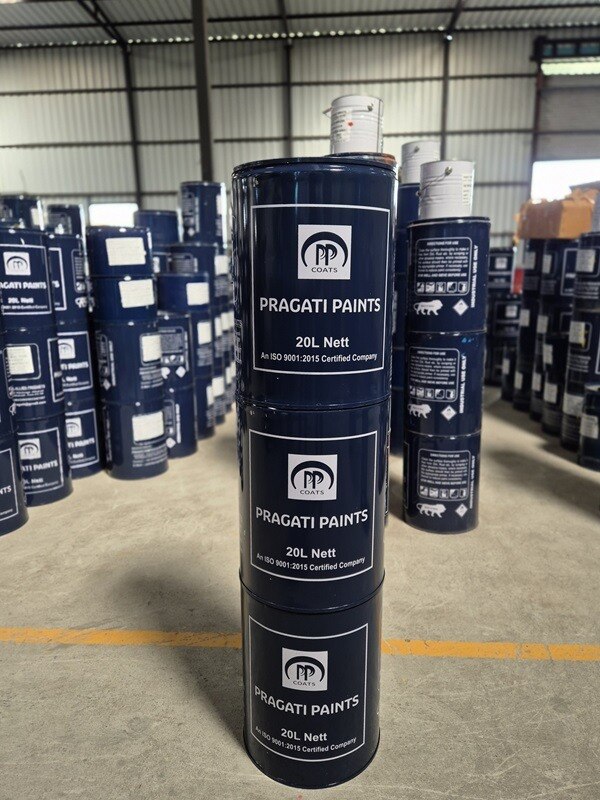
Before buying, ask Pragati Paints & Allied Products to compare data sheets and source compatible materials, then request:
- Exact component ratio, environmental limits, DFT range, recoat window, approved thinner, service restrictions, and written compatibility confirmation.
Related product
 | Expoxy Paint Epoxy Inorganic Zinc Silicate Primer Heavy-Duty Anti-Corrosive Protection for Extreme Industrial Conditions When it comes to the highest level of corrosion protection, especially in... View product → |
Frequently asked questions
How do you identify an epoxy inorganic zinc silicate primer before diagnosing failure?
Confirm the binder in the product data sheet, safety data sheet, and batch label. Do not identify it from colour or surface appearance alone.
Which steel and weather conditions help prevent early primer failure?
Apply only to properly prepared steel that is free of oil, salts, rust, and abrasive dust. Keep the steel temperature above the dew point and follow the product data sheet’s limits for air temperature, humidity, and surface temperature.
What application controls reduce zinc silicate coating problems?
Follow the specified mixing method and induction time, control wet- and dry-film thickness, use the correct spray settings, and recoat within the stated minimum and maximum intervals.
How should you choose a repair system for an industrial corrosion primer failure?
Trace the visible defect to its cause first, then select a compatible repair system for the exposure, temperature, immersion risk, preparation level, and remaining sound coating—not by the product label alone.