
The buying phrase combines two coating chemistries that do not always mean the same thing: ethyl-silicate inorganic zinc and epoxy zinc-rich primer. You will be able to identify the actual product, match it to a Pune factory’s exposure and judge whether its preparation, application and maintenance demands justify the cost.
Key takeaways
- Confirm whether the product uses an epoxy or ethyl-silicate binder.
- Choose the primer from the factory’s exposure, not the product label.
- Control surface preparation, humidity, mixing, thickness and recoat windows.
- Include repair labour and future shutdowns when calculating coating value.
First identify what the product actually is
“Epoxy inorganic zinc silicate” is not a dependable chemistry name. Conventional inorganic zinc silicate uses an ethyl-silicate binder, while an epoxy zinc-rich primer uses an epoxy binder. Buyers researching zinc silicate primer factories often encounter this combined phrase as a market label rather than a precise product description.
Its inorganic zinc silicate value comes from two mechanisms: electrically connected zinc particles protect steel cathodically, while the cured film forms a hard, heat-resistant barrier. High zinc loading proves nothing if the particles do not connect electrically to clean, properly bonded steel.
- Request the product’s technical data sheet before comparing quotations.
- Confirm the binder type, zinc-dust percentage and curing mechanism. Look for ethyl silicate or epoxy, not just “zinc-rich.”
- Check the recommended dry-film thickness, including the minimum, target and maximum per coat.
- Confirm approved topcoats and the applicable standard, such as ISO 12944 or the manufacturer’s stated qualification.
The deciding question is practical: does the site need this performance enough to accept stricter surface preparation, weather control and repair procedures? If the supplier cannot identify the chemistry and limits in writing, you are comparing labels, not coating systems.
Match the primer to the factory’s actual exposure
Is epoxy inorganic zinc silicate worth it for factories in Pune? Choose it when the steel faces repeated wetting, abrasion, difficult access or elevated temperature, and the complete coating system is qualified for that service.
Do not choose it because the factory is in Pune; cooling-tower drift, wastewater, process emissions, condensation and salt deposits can create harsher microclimates than the city’s general atmospheric category.
| Exposure | Better starting choice | Decision test |
|---|---|---|
| Enclosed, dry production room | Qualified epoxy system | Use zinc silicate only if corrosion demand or heat justifies stricter application and repair. |
| Covered outdoor steel or monsoon-wet structure | Zinc silicate system | Confirm wet-dry cycling, humidity and recoating limits in the written data sheet. |
| External tank or boiler zone | Qualified zinc silicate system | Check the stated temperature range, topcoat and access requirements. |
| Cooling tower, wastewater or chemical area | Exposure-specific system | Identify drift chemicals, condensation, acidic or alkaline splash, oils and process emissions before selection. |
Inorganic zinc silicate is not an automatic choice for permanent immersion, continuous condensation, acidic or alkaline splash, oil contamination or chemical exposure. A simpler epoxy may deliver adequate life with easier touch-up, less shutdown time and lower access costs.
Compare the premium with repair frequency and future maintenance access, not zinc percentage alone. Pragati Paints & Allied Products can help compare the stated exposure with a documented system, including limits and repair materials, rather than selecting by label.
The inorganic zinc silicate value is highest when long service intervals outweigh preparation controls; reject it when a qualified simpler system meets the service requirement.
Related product
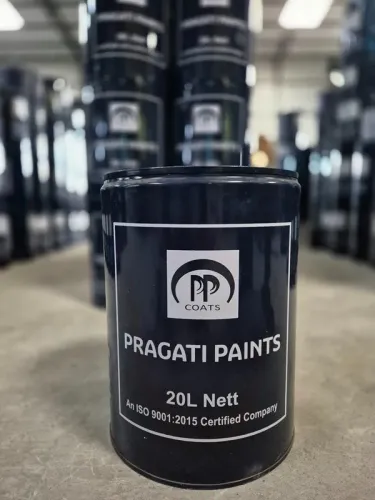
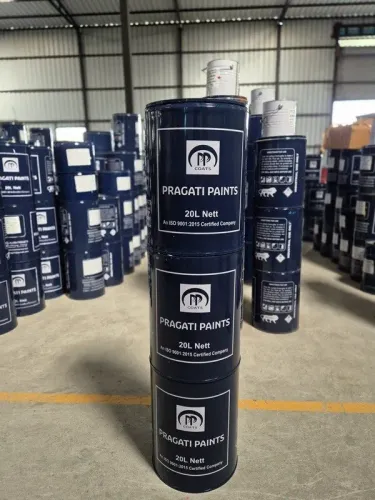
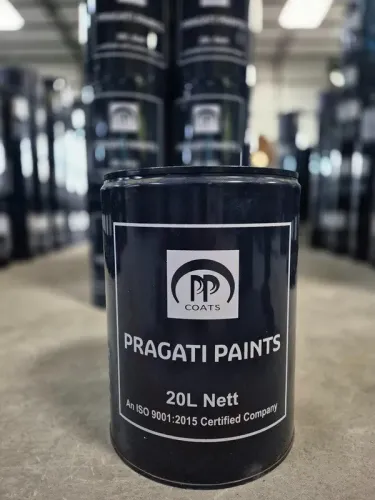
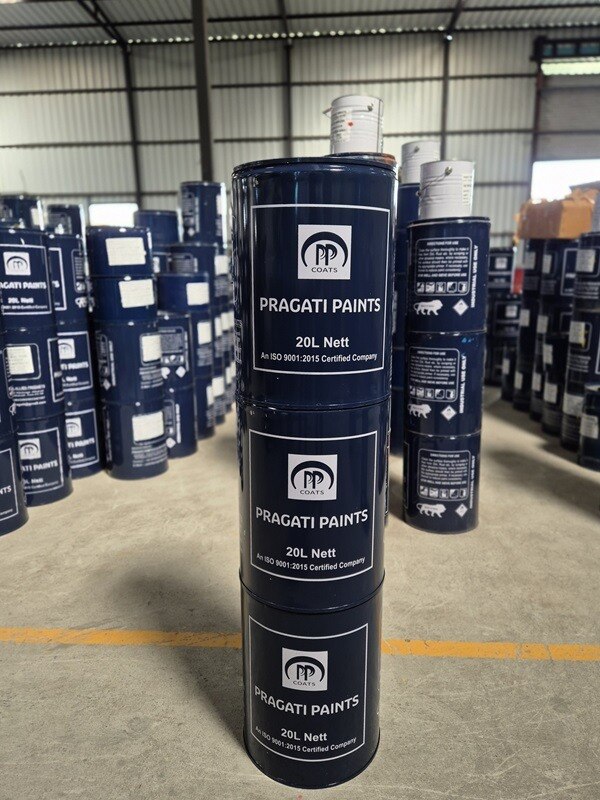
 | Expoxy Paint Epoxy Inorganic Zinc Silicate Primer Heavy-Duty Anti-Corrosive Protection for Extreme Industrial Conditions When it comes to the highest level of corrosion protection, especially in... View product → |
Treat preparation and monsoon control as part of the coating
A sound zinc silicate job starts with steel, not with the spray gun. For epoxy inorganic zinc silicate in Pune, treat surface preparation and monsoon protection as part of the coating system, because moisture or contamination can defeat an otherwise suitable primer.
1. Abrasive-blast steel to about Sa 2½. Create an angular anchor profile within the selected product’s data-sheet range, and remove mill scale, rust, oil, grease, dust and soluble salts completely.
2. Before priming, require records showing the blast standard, profile measurement, soluble-salt test method and acceptance limit. For zinc silicate primer factories, visual cleanliness alone is not enough: trapped salts beneath a porous film promote osmotic blistering and underfilm corrosion.
3. Stripe-coat welds, sharp edges, bolt heads, crevices, cut-outs and other areas that receive less film than flat steel. Record steel temperature, air temperature, relative humidity and dew point for each application period.
4. Use steel at least 3°C above dew point as a common specification checkpoint, but let the product data sheet set the final limit. During Pune monsoon work, provide ventilation and shield the surface from rain, condensation and trapped moisture until curing is complete.
Excess moisture can cause whitening, poor cohesion or delayed cure. If contamination remains below the film, moisture drives blistering and corrosion under the coating rather than protection. Stop the job when records show conditions outside the approved range; adding another coat will not repair a contaminated foundation.
Control mixing, film thickness and recoating compatibility
Application starts with the product data sheet, not generic painter instructions. Follow the stated component proportions, induction time, pot life, spray equipment, nozzle size, pressure and thinner limits. Over-thinning can break zinc-particle continuity and reduce cathodic protection; excessive thickness can cause mud cracking, cohesive weakness, powdering, or solvent-and-moisture-related cure defects.
- Record wet-film thickness during spraying and dry-film thickness after curing.
- Use the target and maximum per-coat thickness stated on the product data sheet.
- Define reading locations, low-film correction and treatment of high readings under ISO 19840 or SSPC-PA 2.
- Take readings on flat steel, edges, welds and other agreed areas; repair low readings with the approved method, not an unrestricted extra coat.
- Keep batch, mixing, weather and thickness records for acceptance and future repairs.
Do not apply a conventional epoxy topcoat automatically over fully cured inorganic zinc silicate. The selected manufacturer must approve the complete system for epoxy inorganic zinc silicate in Pune; the surface may need zinc-salt removal, loose-material removal, sweep blasting and a compatible mist or tie coat.
Skip that preparation and the topcoat can blister, lift, crack or lose adhesion.
This control burden determines inorganic zinc silicate value. Confirm the approved recoat window and method before scheduling production shutdowns, because a coating that passes thickness checks can still fail at the interface.
Calculate the total value, including repairs and future shutdowns
Choose inorganic zinc silicate when lifecycle cost, not purchase price, controls the decision. Compare measured dry-film thickness, preparation quality, repair rate, access difficulty and planned shutdown duration—not quoted litres or zinc percentage.
| System | Installed demand | Lifecycle value |
|---|---|---|
| Inorganic zinc silicate | Strict preparation, weather control and compatible repairs | Strong where abrasion, long service intervals and difficult access reduce shutdowns |
| Qualified epoxy system | Easier application and touch-up | Better value for dry, enclosed, low-corrosivity interiors |
| Inadequate or mismatched system | Low initial cost, unreliable film or repairs | False economy after early corrosion and rework |
The inorganic zinc silicate value rises when maintenance requires scaffolding, production stoppage or hazardous access. It falls when a simpler qualified coating meets the service requirement with less control burden. That is the practical test for is epoxy inorganic zinc silicate worth it for factories in Pune?
For zinc silicate primer factories, define touch-up before purchase: clean damage to sound coating or steel, remove white zinc corrosion products, then apply a compatible zinc-rich repair material. A generic decorative epoxy can interrupt cathodic protection.
Before fabrication begins, define coating removal at weld zones, ventilation for zinc-containing fumes, post-weld preparation and coating reinstatement. Do not leave hot-work decisions to the painter.
Use this go/no-go checklist:
- Verified chemistry and exposure classification
- Documented preparation, weather records and thickness acceptance
- Approved topcoat and repair method
- Recorded repair rate and maintenance access
- Planned shutdown duration
Choose it when exposure and lifecycle costs justify the control burden; reject it when a qualified simpler system offers adequate service with less shutdown and easier repair.
Frequently asked questions
What is epoxy inorganic zinc silicate?
It is not a precise chemistry name. Inorganic zinc silicate uses an ethyl-silicate binder, while epoxy zinc-rich primer uses an epoxy binder. Confirm the binder, product data sheet and compatible topcoat before buying.
How should factories in Pune match a primer to exposure?
Assess indoor or outdoor service, humidity, chemical contact, heat, abrasion, immersion and proximity to industrial or coastal pollutants. Select the primer and complete coating system for those conditions.
How does Pune’s monsoon affect zinc-rich primer application?
Keep steel dry, control condensation and check temperature and relative humidity during preparation and application. Do not coat when moisture can form on the surface or interfere with curing.
What should buyers check before recoating a zinc-rich primer?
Follow the manufacturer’s mixing ratio, induction time, wet and dry film thickness limits, minimum and maximum recoat intervals, and approved topcoat list. Confirm compatibility before applying the next coat.
How do you calculate the value of a factory coating system?
Compare purchase and application costs with surface preparation, inspection, repairs, recoating, access equipment and production shutdown costs over the planned service period.