
Rust preventive oil is useful when you need to preserve clean metal during storage, shipment, lay-up, or controlled maintenance, but it is not a durable exposed marine coating. By the end, you will be able to match the product type, preparation method, exposure, service duration, and removal plan to the equipment instead of relying on a generic corrosion claim.
Key takeaways
- Use rust preventive oil for clean metal during storage, not long-term immersion.
- Choose marine coatings for exposed surfaces facing saltwater, weather, or abrasion.
- Check surface cleanliness, material compatibility, film removal, and application method.
- Specify viscosity, protection period, operating temperature, and required technical documents.
Where does rust preventive oil fit in marine and offshore service?
Rust preventive oil is a temporary barrier, not a marine paint system. Rust preventive oil for marine equipment suits clean machined surfaces, fasteners, tools, stored spares, internal cavities, and ship machinery placed in lay-up or controlled storage.
Use it when the part is accessible, removable, and protected from continuous seawater exposure:
- Warehouse-stored fabricated parts: suitable after cleaning and complete drying.
- Enclosed machinery compartments: suitable for machined surfaces and selected components when ventilation, migration, and later removal are controlled.
- Deck equipment and ship machinery: suitable for local preservation during shutdown, transport, or lay-up, not as the sole protection during service.
- Salt spray, seawater splash, tidal zones, and offshore platforms: unsuitable as the primary barrier where wet-dry cycling, salt deposition, wave impact, or washdown continues.
- Exposed decks, pipe racks, structural steel, and topside equipment: specify a coating system selected for the applicable ISO 12944 corrosivity and immersion category.
Rust preventive oil for offshore equipment faces salt, ultraviolet exposure, abrasion, vibration, pressure washing, and repeated wet-dry cycling. A water-displacing grade can move free water, but it does not remove chlorides from pores, crevices, lap joints, or corrosion products; oil over salt can trap contamination.
Clean the surface and check soluble salts before application. Oil does not restore section loss, remove pitting, seal active corrosion, or provide structural coating adhesion and abrasion resistance. A non-drying film can also collect grit, migrate, become slippery, and wash away.
How does oil compare with marine coating and preservation alternatives?
A rust preventive oil for marine equipment suits clean, accessible parts in indoor storage, shipment, or lay-up—not steel that remains in salt spray, splash zones, immersion, or repeated seawater exposure. A rust preventive oil for offshore equipment is fast and removable, but it can wash off, collect grit, migrate, create slip hazards, and require reapplication.
| Option | Best fit | Main limitation |
|---|---|---|
| Thin oil | Indoor storage, machined surfaces | Short-lived outdoors |
| Water-displacing oil | Damp parts and cavities | Limited persistent film |
| Solvent-cutback compound | Outdoor storage and shipment | Solvent, drying, and removal burden |
| Grease | Slow-moving parts and exposed fasteners | Dirt retention and difficult cleaning |
| Wax or petrolatum | Longer outdoor storage and buried or sheltered areas | Heavy removal and poor paint adhesion |
| VCI film or paper | Clean spares in sealed packaging | Needs enclosure and low contamination |
| Epoxy primer | Prepared steel needing barrier protection | Preparation and downtime |
| Zinc-rich primer | Exposed steel needing galvanic protection | Requires compatible topcoat and preparation |
| Polyurethane topcoat | Weather, UV, and abrasion | Part of a complete coating system |
| Chlorinated rubber paint | Marine maintenance and immersion service | Solvent and compatibility restrictions |
| Inorganic zinc silicate | Abrasion-resistant atmospheric or immersion systems | Demands strict application control |
ASTM B117 salt-spray hours and ASTM D1748 humidity-cabinet hours compare test panels; they do not convert into offshore years. Scribes, film thickness, cleaning, UV, abrasion, wet-dry cycling, and seawater chemistry change field performance.
For exposed decks, pipe racks, and infrastructure, an epoxy or zinc-rich primer with polyurethane topcoat—or a specified chlorinated rubber or inorganic zinc silicate system—demands more preparation but provides designed durability. VCI packaging, heavier wax, or permanent coating wins when storage duration, outdoor exposure, or repeated washing exceeds oil’s practical reapplication cycle.
What preparation, application, removal, and compatibility checks are required?
Salt trapped under rust preventive oil remains active beneath the film. For marine exposure, remove chloride deposits before preservation; water-displacing oil removes free water, not salts in pores, crevices, lap joints, or corrosion products.
- Remove loose rust, scale, corrosion products, salt, and grease. Use simple cleaning for clean parts, solvent cleaning for oil and grease, wiping for light deposits, or abrasive blasting for adherent rust. Check soluble salts after marine exposure with a surface-salt test.
- Dry the substrate completely, including bolt holes, drain points, crevices, and other water pockets. Apply rust preventive oil for marine equipment only after confirming that no trapped water remains.
- Apply an unbroken film by spray, brush, dip, or wipe. Follow the supplier’s stated wet or dry film appearance; thin oil, solvent-cutback products, and waxy films do not look or behave alike.
- Mask or exclude bearings, brakes, electrical contacts, friction surfaces, seals, hydraulic systems, cables, cable jackets, and insulated components. Oil migration can cause brake slip, contact failure, seal swelling, or insulation damage.
| Condition | Preparation and method | Main control |
|---|---|---|
| Clean, dry machined part | Wipe or spray a continuous film | Inspect coverage |
| Light rust or grease | Solvent clean, wipe, then brush or spray | Do not seal residue |
| Heavy rust or marine deposits | Abrasive blast, wash, salt-test, dry, then apply | Remove contamination first |
Check compatibility with stainless steel, aluminium, galvanised steel, copper alloys, rubber, plastics, insulation varnishes, and existing paint films. Degrease before painting, welding, bolting, inspection, adhesive application, or commissioning; abrasive preparation alone cannot reliably remove residual oil. Confirm removability before using rust preventive oil for heavy engineering.
What should you specify and verify before buying the product?
A purchase order must name the service, not merely “rust preventive oil.” Specify the substrate, surface preparation, application method, film type, viscosity, application temperature, drying or non-drying behaviour, water displacement, storage or lay-up duration, exposure limits, and acceptable residue.
Ask the supplier for:
- Salt-spray data under ASTM B117 and humidity data under ASTM D1748, with film thickness and test conditions; hours are not years of offshore service.
- Operating-temperature range, removal method, storage life, batch number, and current technical data sheet.
- Compatibility restrictions for stainless steel, aluminium, galvanised steel, copper alloys, rubber, plastics, cable jackets, insulation, bearings, brakes, and painted surfaces.
- Written confirmation that the material is approved near pollution-sensitive marine areas.
- The SDS, plus requirements for ventilation, ignition control, enclosed-space entry, overspray containment, PPE, waste handling, and fire protection.
Product choice changes the preservation outcome:
| Option | What it means | When it applies |
|---|---|---|
| Thin or water-displacing oil | Removable film; water displacement does not remove chlorides | Clean parts, short lay-up, controlled storage |
| Waxy or greasy compound | Heavier residue and stronger barrier | Longer storage or harsher handling |
| Epoxy zinc-rich primer or complete coating | Prepared, bonded film designed for exposed steel | Offshore atmosphere, splash, immersion, abrasion |
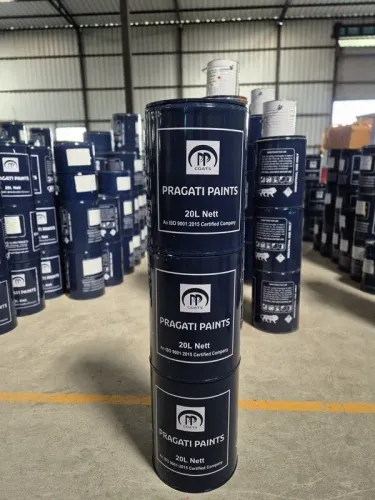
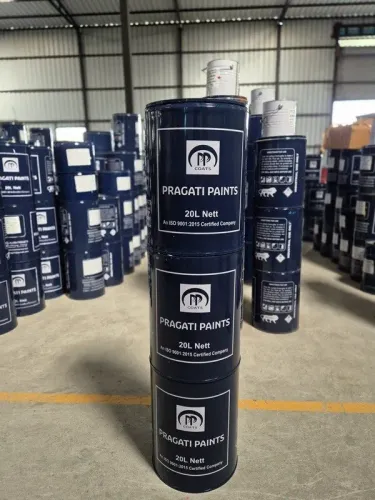
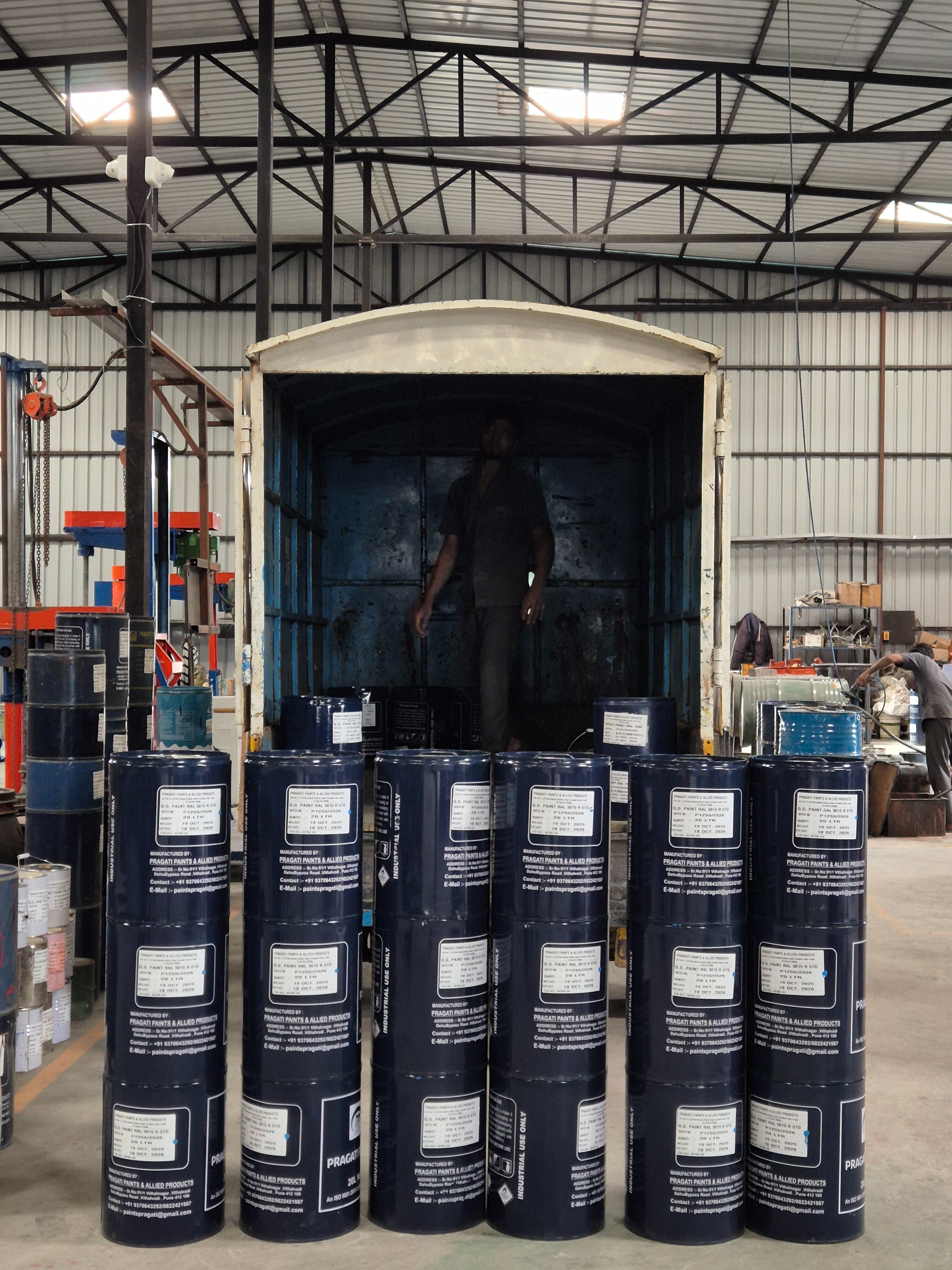
Use this checklist when comparing rust preventive oil for heavy engineering or rust preventive oil for infrastructure. Pragati Paints & Allied Products can help compare a preservation treatment with an epoxy zinc-rich primer or inorganic zinc silicate system, but your specified exposure and removal plan must decide the purchase.
Related product
 | Rust Preventive Oil & Thinner Effective Protection Against Corrosion Rust Preventive Oil is a specialty corrosion-inhibiting fluid designed to protect ferrous and non-ferrous... View product → |
How do you decide, inspect, and maintain the protection?
Choose rust preventive oil when the part is clean, accessible, removable, and entering indoor storage, shipment, lay-up, or controlled maintenance. Choose heavier wax, petrolatum, VCI packaging, or cavity treatment when storage involves humidity, salt deposition, difficult access, or long exposure.
If steel remains exposed to offshore atmosphere, salt spray, immersion, traffic, abrasion, or weather, specify a primer-and-topcoat system instead. Rust preventive oil for offshore equipment and rust preventive oil for infrastructure are usually preservation treatments, not exposed structural protection.
- Inspect the film after application and before release. Confirm continuous coverage, including edges, threads, recesses, and contact points; mark washed-off areas, dust-loaded residue, renewed corrosion, and oil removed during handling or pressure washing.
- Reinspect at the date set by the storage duration and exposure. Clean and dry affected areas before reapplying; do not simply cover active corrosion, trapped water, or contaminated residue.
- Record substrate condition, cleaning method, product name, batch number, application date, operator, coverage area, and reinspection date. Add photographs or marked-up drawings for large equipment.
Make the final choice by comparing labour and downtime: cleaning, masking, application, oil removal before painting or commissioning, reinspection, recoating, and slip control. A removable rust preventive oil may win for short lay-up; a permanent coating can reduce repeat handling when repeated exposure makes maintenance more expensive.
Use rust preventive oil only where that trade-off fits the asset.
Frequently asked questions
Where does rust preventive oil fit in marine and offshore service?
Rust preventive oil for marine equipment works as a temporary barrier on clean machined surfaces, fasteners, tools, spares, internal cavities, and machinery in lay-up or controlled storage. It is not a substitute for a marine coating on continuously exposed steel.
How does oil compare with marine coating and other preservation methods?
Oil is quick to apply and remove, but it offers limited resistance to wash-off, abrasion, and prolonged saltwater exposure. Marine coatings provide longer protection on exposed structures, while desiccants, vapor-phase inhibitors, grease, and sealed packaging suit specific storage conditions.
What preparation and compatibility checks are required?
Remove salt, water, rust, dirt, and old incompatible films before application. Confirm compatibility with seals, plastics, rubber, electrical components, lubricants, paints, and operating temperatures. Define how the oil will be removed before service.
What should you specify and verify before buying rust preventive oil?
Specify the application, storage environment, protection period, film type, viscosity, temperature range, application method, removability, and substrate. Verify the technical data sheet, safety data sheet, batch number, shelf life, and test or compliance documents supplied.
How do you inspect and maintain protection?
Record the application date, product batch, surface condition, and film coverage. Inspect for bare spots, water contamination, rust staining, sludge, and wash-off, then clean and reapply areas that no longer have a continuous protective film.