Mumbai monsoon application fails when a dry-looking steel surface carries invisible condensation, salt, or moisture trapped in pits and joints. You will learn how to measure the weather, prepare and coat the substrate, protect the wet film, and decide when a compatible topcoat can safely follow.
Key takeaways
- Keep steel at least 3°C above dew point during application and initial cure.
- Remove salts, rust scale, oil, and weak coating before priming.
- Control mixing, thinner use, and film thickness to prevent monsoon defects.
- Record weather, surface readings, batch details, and recoat conditions before approval.
Check dew point and steel temperature before opening the primer
Keep the steel at least 3°C above the calculated dew point during application and initial cure. A surface can develop invisible condensation after Mumbai rainfall, overnight cooling, or early-morning dew even when air humidity appears acceptable. Do not open the primer until these checks are complete:
- Measure and record ambient temperature, steel or concrete surface temperature, relative humidity, calculated dew point, measurement time, and recent or expected weather changes.
- Repeat the readings before each major coat and after rain, sunset, or a falling temperature changes the risk. Stop if the 3°C margin is lost.
- For concrete, check for visible dampness, standing water, moisture emerging from pores, surface temperature, and adequate ventilation. A dry-looking surface can still release moisture into the coating.
An 85% relative-humidity limit is common in protective-coating specifications, but it is not universal. The product technical data sheet and project specification take priority; some formulations require a lower limit for application, low-temperature curing, or recoating.
Confirm the stated limit for the epoxy HB MIO primer for monsoon work rather than applying a generic hb mio primer humidity rule.
Humidity alone does not determine cure. Steel temperature, film thickness, hardener type, ventilation, and mixed-pot life also control drying and recoat readiness. Cold steel can prolong cure, while a heavy film in poorly ventilated air can trap solvent despite acceptable readings.
Prepare steel that is dry, salt-free, and free of weak points
A steel surface is ready for epoxy hb mio primer for monsoon only when it is dry, salt-free, sound, and free of weakly attached material. Broad areas can look clean while pits and joints retain water, so inspect those locations separately.
1. Use abrasive blasting where the specification permits it to remove mill scale, loose rust, old coating with lost adhesion, weld spatter, burrs, sharp edges, oil, grease, mud, and chloride deposits. Use power-tool cleaning only for defined local work; it does not replace degreasing, salt removal, or proper drying.
2. After marine aerosol, rain splash, or coastal storage, extract soluble contaminants under ISO 8502-6 and check field conductivity under ISO 8502-9. Apply the chloride or total-salt acceptance limit stated in the project specification, because no single limit suits every service.
3. Inspect for flash rust after cleaning and remove it before coating. Dry pitted steel, weld toes, lap joints, bolt heads, edges, corners, and crevices thoroughly; standing water or moisture hidden in pits makes the substrate unsuitable even when the surrounding steel feels dry.
4. Smooth sharp edges and remove burrs before application. Apply the specified stripe coat to welds, edges, bolts, corners, and crevices, where coating holidays and thin coverage allow monsoon moisture to start premature rusting.
Do not coat over condensation, damp deposits, or weak rust. Reclean, dry, and recheck the surface until every area meets the specification.
Mix, thin, and build the film without creating monsoon defects
Rushing a short dry-weather window creates epoxy HB MIO primer problems. A heavy coat may look opaque while solvent remains trapped inside, causing sagging, pinholes, bubbling, or solvent popping. Follow the specified coats and thickness limits instead.
1. Confirm the resin-to-hardener ratio on the technical data sheet. Mix with mechanical agitation until uniform, observe the specified induction time, then keep the pot moving during application; MIO pigments settle heavily and brief hand stirring gives uneven barrier protection.
2. Thin only within the technical data sheet limit. Excess solvent reduces film build, increases sagging, and delays solvent release. Poor atomisation also leaves an uneven film that can blister or develop pinholes.
3. Apply stripe coats to welds, edges, bolt heads, corners, and crevices. Follow with the specified full coats rather than one very heavy coat.
4. Measure wet-film thickness as you spray or roll. Relate that reading to the stated volume solids to estimate dry-film thickness; check the actual dry-film thickness after curing, not by judging the fullness of the MIO colour.
5. Allow ventilation for solvent release without exposing the film to rain or condensation. Surface dry does not mean fully cured: a firm-looking coating can still be soft underneath and unsuitable for recoating.
Mumbai’s HB MIO primer humidity risk increases drying time and solvent entrapment. If the film remains soft, glossy, blistered, or solvent-smelling, give it controlled time and ventilation instead of adding thinner or applying the next coat.
Protect the fresh film, then manage rain interruptions and recoating
Do not measure protection by touch-dry time. Keep fresh primer under a covered, ventilated enclosure until the product data sheet’s early-cure condition is reached; an open tarpaulin can trap humid air against the steel and slow curing.
1. Delay application before overnight rain, early-morning dew, or any forecast period that prevents the film from reaching its specified early-cure condition. Direct rain on uncured epoxy can wash or mark the surface, create craters and runs, add contamination, and reduce effective thickness.
2. If rain interrupts work, keep water off the film and allow the steel and coating to dry fully. Record air temperature, steel temperature, relative humidity, dew point, measurement time, and wet-film thickness again before resuming.
3. Use the minimum and maximum recoat intervals printed in the product data sheet. Touch-dry time is not a recoat approval: low steel temperature, heavy film, hardener choice, and poor ventilation can leave solvent or uncured resin below a firm surface.
4. If the maximum interval is exceeded, inspect for gloss loss, dirt, chalking, whitening, or amine blush. Wash and dry the surface, remove any waxy or greasy film, abrade where specified, solvent-clean without spreading contamination, and recheck dew point before recoating.
5. Apply only a compatible epoxy or specified polyurethane. Epoxy exposed to ultraviolet light can chalk, so it is not the final outdoor finish.
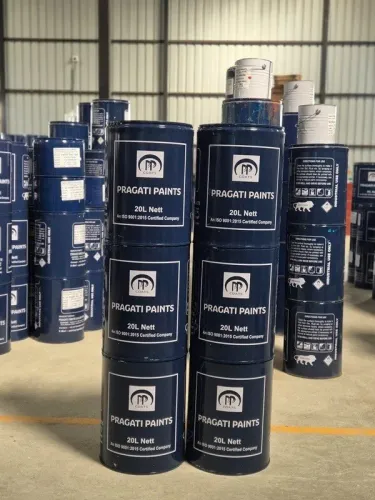
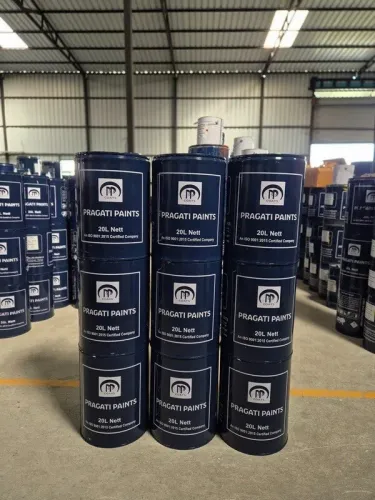
For epoxy HB MIO primer weather scheduling, Pragati Paints & Allied Products can provide the exact data sheet, hardener pairing, recoat limits, and compatible topcoat; these details prevent epoxy HB MIO primer problems caused by guesswork.
Related product
 | Expoxy Paint Superior Barrier Protection with High Build Performance When industrial steel structures are exposed to harsh environments, selecting the right... View product → |
Use the site record to decide whether the coating is ready
The epoxy HB MIO primer weather record is your acceptance gate, not a colour check. Readings must be repeated before each major coat and whenever rain, sunset, or falling steel temperature changes the risk.
1. Confirm the record shows batch number, mix ratio, start and finish time, pot-life limit, ambient temperature, steel temperature, relative humidity, dew point, calculated temperature margin, wet-film thickness, rain or enclosure conditions, and cured dry-film thickness. Reject a “dry conditions” statement without measurements.
2. Before applying a compatible epoxy or polyurethane topcoat, inspect for condensation, loose rust, salt, standing water, soft uncured areas, visible blush, whitening, gloss variation, runs, pinholes, bubbling, and solvent odour.
A waxy, greasy, cloudy, or sticky film indicates blush, not ordinary dirt; wash, dry, remove the residue, and perform the specified adhesion check before recoating.
3. Treat epoxy HB MIO primer problems as cure or film defects, not invitations to add thinner. Slow cure requires more time and controlled ventilation. Extra thinner or an early topcoat can trap solvent and cause intercoat failure.
4. Accept the coating only when specified dry-film thickness is achieved, adhesion and holiday checks pass where required, defects are repaired, and compatibility with the next coat is documented. Do not approve it because the MIO colour looks full.
Frequently asked questions
How far above the dew point should steel remain when applying epoxy HB MIO primer?
Keep the steel at least 3°C above the calculated dew point during application and initial cure. Check air temperature, relative humidity, and steel temperature before opening the primer.
What condition must steel meet before applying epoxy HB MIO primer in humid weather?
Steel must be dry, salt-free, and free of oil, loose rust, mill scale, dust, and weak or poorly bonded old coating. Prepare and inspect weak points before priming.
How do you prevent epoxy HB MIO primer problems during the Mumbai monsoon?
Mix components in the stated ratio, use only the permitted thinner, achieve the specified film build, and protect wet coating from rain, condensation, and contamination.
What should you record before deciding that the coating is ready?
Record the batch number, mixing time, air and steel temperatures, relative humidity, dew point, surface condition, application time, wet-film readings, rain interruptions, and recoat interval.