
A damaged epoxy high build zinc primer coating cannot be recovered safely by brushing fresh paint over rust, chalking, or a loose film. You will learn how to classify the failure, test whether the coating can remain, prepare exposed steel, rebuild the specified thickness, and document the repair without creating a second failure.
Key takeaways
- Identify whether damage affects the topcoat, primer, or exposed steel.
- Remove corrosion and create a sound, feathered edge before rebuilding.
- Match dry-film thickness and recoat windows to the product data sheet.
- Record surface preparation, batch numbers, thickness readings, and cure conditions.
Decide What “Recovery” Means Before You Touch the Coating
Recovery means choosing between a local repair, a full recoat, restoration of the high-build film, or removal of a failed application. Do not apply another coat until you know whether damage stops at the topcoat, reaches the zinc primer, or has exposed and corroded the steel.
1. Choose a spot repair when damage is isolated, the surrounding primer is firmly bonded, and no rust creep, blistering, delamination, or underfilm corrosion extends beyond the defect. Remove loose material back to sound coating or prepared steel, taper the edge, and rebuild only the defined area.
2. Choose a full recoat when the primer remains bonded but widespread chalking, pinholes, contamination, or expired recoat timing affects the surface. Abrade or prepare it exactly as the product data sheet specifies; a clean-looking surface can still fail through amine blush or poor intercoat adhesion.
3. Restore a damaged high-build film when gouges, impact, welds, edges, bolts, or crevices have reduced thickness without causing broad adhesion failure. Rebuild the specified dry-film thickness, using a stripe coat where the coating system requires it. Stripe coating does not replace full-area coating.
4. Remove the application when adhesion is poor, blistering is widespread, the mix or induction procedure was wrong, or corrosion lies beneath the film. This is epoxy high build zinc primer recovery, not cosmetic touching-up: remove to firmly bonded coating or prepared steel before restarting the system.
Inspect the Existing Film and Set Repair Limits
Repair the coating only when the surrounding epoxy high build zinc primer is firmly bonded, free of underfilm corrosion, and thick enough to accept the specified preparation and new coats. Trace every defect to its real boundary; rust staining alone is not the boundary if corrosion has travelled beneath the film.
- Map blisters, cracking, pinholes, chalking, rust creep, delamination, and exposed steel. Record rusting with the ISO 8501-1 rust grade and blister size and density under ISO 4628-2.
- Tap-test suspect areas and lift edges with a knife. Remove loose coating, zinc salts, and corrosion products until you reach firmly bonded film or clean, prepared steel; feather the intact edge instead of leaving a sharp step.
- Measure dry-film thickness across sound and damaged zones, then compare readings with the coating system’s specified minimum and maximum. A thin, brittle, widespread, or over-thick film is not a sound repair base.
- Test adhesion using the specified method, such as ISO 4624 pull-off or ASTM D3359 cross-cut. Widespread adhesive or cohesive failure, rather than one isolated low result, sets the removal limit.
- Check soluble salts with ISO 8502-6 extraction and ISO 8502-9 conductivity when the specification requires it. Salt contamination beneath a patch will drive renewed blistering.
- Treat corrosion at the steel interface, widespread delamination, repeated blistering, or failed adhesion across the area as complete-removal conditions. Do not bury them under a spot coat.
Do not assume exposed zinc primer is a finished weathering system: ultraviolet exposure chalks epoxy and leaves the zinc layer without its intended compatible barrier. For epoxy high build zinc primer maintenance, define the repair boundary, record the inspection results, and confirm whether the primer is temporary or part of the full restored system.
Prepare the Steel and Rebuild the Damaged Area
A durable epoxy high build zinc primer repair starts at the boundary of sound coating, not at the visible rust stain. Isolate the work area, stop dust and moisture reaching the steel, and confirm that welding, grinding, or nearby operations cannot contaminate the repair.
1. Degrease the damaged area and surrounding intact coating with the cleaner specified by the coating manufacturer. Remove oil, grease, salts, and other contaminants before scraping or abrasive preparation; otherwise, grinding can spread them across the steel.
2. Scrape and abrade until loose paint, zinc salts, rust scale, and corrosion products are gone. Continue back to firmly bonded coating or clean steel. Feather the intact coating edge into a taper rather than leaving a sharp step that will be difficult to cover.
3. Prepare exposed steel to the repair specification. Abrasive blasting to Sa 2½ or SSPC-SP 10/NACE No. 2 is suitable when specified; mechanical preparation should reach St 3 or SSPC-SP 11 where blasting is impractical. Remove dust, and check soluble salts against the project limit.
4. Mix the specified zinc-rich epoxy exactly as directed, including induction time and component ratio. Apply it to prepared steel at the specified thickness; extra primer cannot compensate for contamination, poor zinc dispersion, or inadequate preparation.
5. Stripe-coat welds, edges, corners, bolts, and crevices at the stage required by the coating system, then rebuild the full repair area. Apply only a compatible overcoat within its stated recoat window; outside that window, abrade and clean the surface before recoating.
Record the epoxy high build zinc primer repair boundary, batch, temperatures, and wet- and dry-film readings.
Control Thickness, Recoat Timing, and Cure Conditions
Restore thickness in measured coats, not one heavy pass. Use the specified epoxy high build zinc primer, mix it at the stated ratio and induction time, and do not add solvent unless the product data sheet permits it. Excess binder or excessive thickness can reduce zinc-to-steel electrical continuity and weaken galvanic protection.
Control application with these checks:
- Measure wet-film thickness during spraying or rolling, then compare the cured dry-film readings with the specified minimum and the manufacturer’s maximum. More primer will not correct poor steel preparation.
- Apply the required stripe coat to welds, edges, corners, bolts, and crevices at the stage stated for the coating system. It supplements full-area coating; it does not replace it.
- Keep steel at least 3 °C (5 °F) above dew point throughout application and early cure, unless the product data sheet or project specification sets a different limit. Condensation can cause flash rust, pinholes, amine blush, and adhesion loss.
- Reduce coat build or split the repair into additional coats when the specified thickness cannot be reached without runs, solvent entrapment, mud cracking, soft film, or excessive internal stress.
Observe the product’s minimum and maximum recoat intervals at the actual steel and air temperatures. After the maximum interval, abrade as directed, remove dust and contamination, and inspect for blush before recoating; a clean-looking surface can still produce intercoat adhesion failure.
Protect the epoxy high build zinc primer repair from rain, condensation, dust, and premature immersion until the stated cure is complete.
Request the Product Data and Record the Finished Repair
Before selecting materials for epoxy high build zinc primer maintenance, obtain the coating manufacturer’s current Technical Data Sheet, Safety Data Sheet, application guide, and written compatibility statement.
The documents must specify surface preparation, abrasive profile, zinc primer mixing and induction time, permitted overcoats, recoat window, temperature limits, humidity and dew-point controls, wet-film and dry-film targets, and cure requirements.
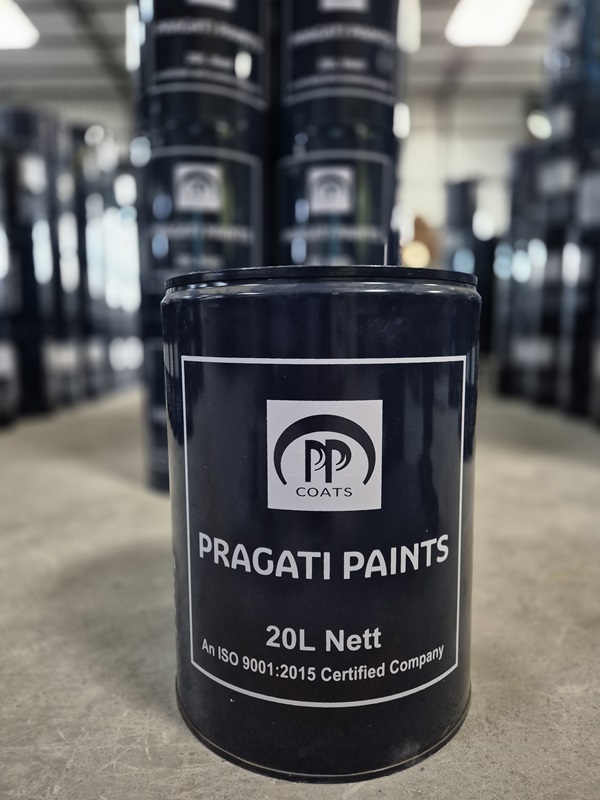
Ask Pragati Paints & Allied Products, or any supplier, to confirm the exact product code, batch number, manufacture date, shelf life, unopened-pack condition, and manufacturer approval for the proposed repair system. Do not replace a zinc-rich epoxy with a generic high-build epoxy because it appears thicker or initially adheres.
Record these items before accepting the epoxy high build zinc primer recovery:
- Repair boundaries and preparation standard, such as Sa 2½ or St 3, with photographs.
- Chloride or soluble-salt result using the specified test method and project limit.
- Abrasive profile measured with replica tape or a profile comparator against the TDS.
- Steel temperature, air temperature, relative humidity, and dew point at application.
- Product batch numbers, mixing ratio, induction time, thinner, pot life, and application time.
- Wet-film readings, dry-film readings, recoat interval, and final cure status.
| Evidence | Check before selection | Record for acceptance |
|---|---|---|
| TDS and compatibility letter | Confirm the primer and overcoat form one approved system | Product names, grades, and permitted recoat interval |
| Supplier traceability | Reject unsealed, expired, unlabelled, or unapproved material | Batch, dates, invoices, and approval confirmation |
| Field measurements | Compare salts, profile, climate, WFT, DFT, and adhesion with specified limits | Results, instrument identification, locations, and repair photographs |
Related product
 | Industrial Expoxy Paint Epoxy High Build Zinc Phosphate Primer Advanced Corrosion Protection for Industrial Steel Structures Industrial environments demand coatings that deliver long-lasting corrosion protection,... View product → |
Frequently asked questions
How do you decide between local repair, full recoat, restoration, and coating removal?
Choose a local repair when damage is isolated and the surrounding coating remains sound. Use a full recoat when widespread defects affect adhesion or protection. Restore the high-build film when thickness is below specification. Remove the coating when it is broadly detached, contaminated, or corroded underneath.
What should you inspect before repairing an epoxy high build zinc primer coating?
Map blistering, peeling, cracking, rust, pinholes, impact damage, contamination, and exposed steel. Check whether defects stop at the topcoat, reach the zinc primer, or extend to the substrate. Set repair boundaries around sound, well-adhered coating.
How should you prepare steel for an epoxy high build zinc primer repair?
Remove loose coating and corrosion, degrease the area, and abrade sound coating around the defect. Feather the edges so the repair does not form a sharp step. Prepare exposed steel to the cleanliness and profile specified by the product data sheet.
How do thickness, recoat timing, and cure conditions affect recovery?
Measure dry-film thickness against the specified range, observe minimum and maximum recoat intervals, and apply only within the stated temperature, humidity, and substrate conditions. Allow the repair to cure before service or additional coats.
What records should you request and keep after the repair?
Request the product data sheet, safety data sheet, batch number, shelf-life information, mixing instructions, and compatible recoat schedule. Record surface preparation, ambient conditions, application method, wet or dry-film readings, batch details, and final inspection results.