
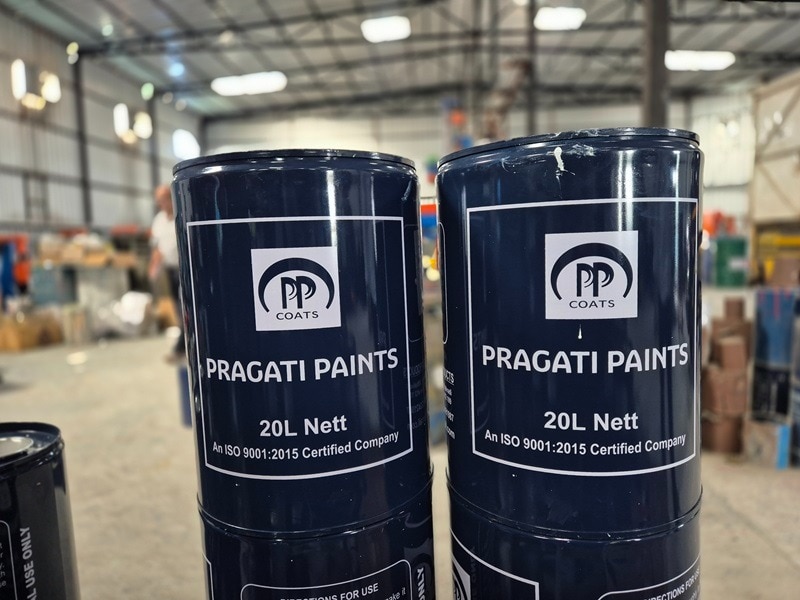
PU primer earns its extra preparation and application effort when a machine or structure needs reliable adhesion, a compatible polyurethane finish, and a controlled return to service. By matching the primer to the substrate, exposure, temperature, contamination level and downtime available, you can decide when it is a sound maintenance investment and when epoxy, zinc-phosphate, synthetic or Q.D. primer is the safer choice.
Key takeaways
- Use PU primer when downtime, adhesion and finish-coat compatibility justify the added effort.
- Match primer chemistry to machinery, substrate and exposure before scheduling maintenance.
- Remove rust, oil, laitance and unsound coatings before applying primer.
- Follow the product’s mixing ratio, recoat window and curing time before restarting equipment.
When PU Primer Justifies the Extra Maintenance Effort
A PU primer is worth the extra maintenance effort when it shortens planned downtime, adheres reliably to prepared steel or a sound existing coating, and supports a compatible PU finish coat.
That is the practical case for PU primer for industrial maintenance work in Sambhaji Nagar—not a guarantee that PU provides the strongest corrosion protection in every exposure.
The effort earns its keep when:
- A machine frame, fabricated component or plant structure needs a durable partial repair rather than complete coating removal.
- You need rapid return to service and the product’s recoat interval fits the shutdown window.
- The finish must resist outdoor weathering, abrasion or routine chemical contact.
- The existing coating is firmly bonded and the selected primer explicitly permits that substrate and preparation grade.
Preparation still decides the result. Remove oil, grease, coolant, cutting fluid and hydraulic-fluid residue by degreasing, then use approved abrasive or mechanical preparation and remove all dust. Solvent wiping alone can spread contamination and cause early delamination.
Schedule PU primer applications around Sambhaji Nagar’s heat, dust and monsoon moisture. Keep steel at least 3°C above the measured dew point during application and initial curing, unless the product data sheet sets a stricter limit.
Industrial PU primer uses become less convincing on heavily corroded steel, continuously wet surfaces, immersion service, uncontrolled humidity or areas that cannot receive proper preparation. In those cases, a validated high-build epoxy system may deliver better long-term value than faster PU coating work.
Choose the Primer by Machinery, Substrate and Exposure
PU primer suits machine frames, fabricated steel, conveyors, pumps and plant equipment when you need strong adhesion, a compatible PU finish and controlled downtime. These industrial PU primer uses fit prepared carbon steel, sound existing coatings and concrete-to-steel interfaces exposed to weather, oil splash or moderate chemical contact—not continuous immersion or severe corrosion.
Choose it when the machinery will return to service quickly and the application area can be kept dry, clean and within the product’s temperature and humidity limits. Reject the choice when blasting is impossible, oil or hydraulic-fluid contamination remains, or the coating will face prolonged immersion.
A PU primer designed for blasted steel is not automatically suitable for power-tool-cleaned surfaces.
- Verify the resin chemistry: two-component polyurethane, moisture-cured polyurethane, polyurethane-modified epoxy and PU-compatible adhesion primers behave differently.
- Match the substrate approval, immersion rating, operating-temperature range, recoat window and specified hardener.
- For outdoor machinery and exposed plant steel, confirm compatibility with an aliphatic PU topcoat; aromatic PU systems lose colour and gloss faster in strong sunlight.
| Option | Main advantage | Better choice when |
|---|---|---|
| Epoxy primer | Higher-build barrier and chemical resistance | Steel has heavy corrosion, wet exposure or immersion risk |
| Zinc-phosphate PU primer | PU compatibility with added inhibitive pigment | Prepared steel needs corrosion protection under a PU finish |
| Synthetic primer | Simple application and economical maintenance | Exposure is mild and long chemical resistance is unnecessary |
| Q.D. primer | Fast drying and quick handling | Downtime is extremely short and service conditions are light; verify PU recoat compatibility |
| PU primer | Adhesion, fast maintenance and PU-finish compatibility | Partial repairs, machinery frames and controlled outdoor exposure need rapid return to service |
Where PU Primer Applications Fit in Sambhaji Nagar Plants
Machine frames, fabricated steel, structural members, conveyor supports and plant equipment are the strongest candidates for PU primer applications in Sambhaji Nagar. Use it for partial repairs when you need a compatible PU finish and limited downtime, not as an automatic replacement for a heavy-duty corrosion system.
| Asset | Suitable use | Check before specifying |
|---|---|---|
| Machine frames and fabricated steel | Prepared carbon steel and repair patches | Confirm blast or power-tool preparation is approved |
| Previously painted equipment | Sound, abraded coating in a localized repair | Test adhesion and check compatibility with the existing film |
| Concrete interfaces | Steel-to-concrete edges and attached steelwork | Require written approval for concrete contact and control moisture |
| Roofs, conveyors and exposed structures | Primer beneath an exterior PU finish | Select an aliphatic PU finish for better colour and gloss retention |
For PU primer for industrial maintenance work in Sambhaji Nagar, schedule application around dust, monsoon moisture and condensation. Keep steel at least 3°C above the measured dew point during application and early curing, unless the product data sheet sets a stricter limit.
Severe corrosion, immersion, prolonged wet exposure or uncontrolled humidity points toward a validated high-build epoxy system instead.
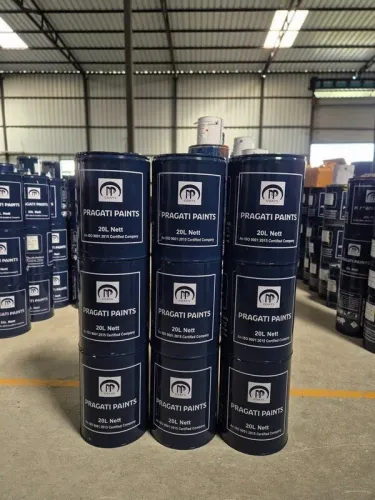
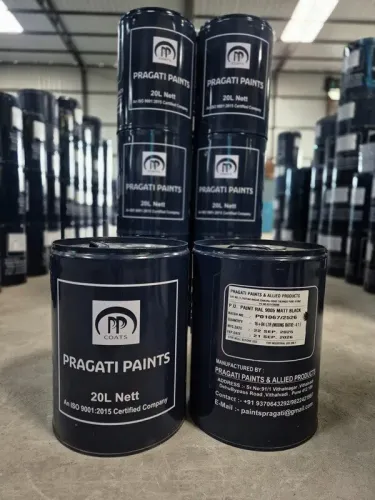
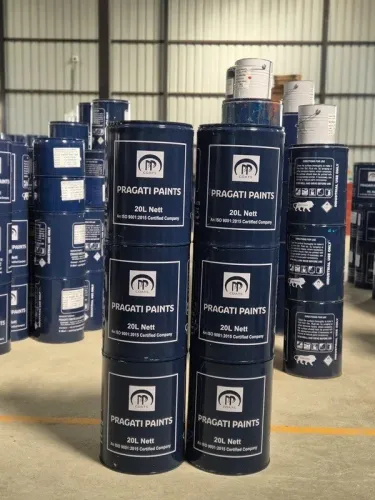
Pragati Paints & Allied Products can help define the system when you provide the substrate, existing coating, preparation method, exposure, operating temperature and expected downtime. Ask for written targets for surface preparation, stripe coating, wet- and dry-film thickness, recoat interval and acceptance inspection; “apply two coats” is not a complete specification.
Related products
 | Industrial PU Paint P.U. Primer (Polyurethane Primer) is a high-quality base coat specially formulated to enhance adhesion, improve surface uniformity, and increase the overall... |
 | Industrial PU Paint High-Performance Anti-Corrosive Coating for Industrial Protection When it comes to long-lasting metal protection, P.U Zinc Phosphate Primer stands... View product → |
Prepare Steel, Concrete and Existing Coatings Before Priming
A clean, dry, sound surface is the minimum starting point for p u primer coating work. Oil, grease, coolant, cutting fluid and hydraulic-fluid residue cause early delamination, and solvent wiping alone can spread them across the steel.
1. Isolate the equipment and remove contaminants with a compatible alkaline or solvent degreaser. Rinse where the cleaner requires it, allow the surface to dry, and collect the residue rather than pushing it into seams or drains.
2. Remove rust, mill scale and loose paint. Use abrasive blasting to near-white metal, such as SSPC-SP 10/NACE No. 2, on heavily corroded steel. For a local repair, use power-tool cleaning to SSPC-SP 3 only when the selected PU primer explicitly approves that preparation grade.
3. Check the steel for sharp edges, weld spatter, laminations and pitting. Grind projections, repair defects, and remove blasting grit and dust with clean, dry air or a vacuum.
4. Prepare concrete by removing laitance, curing compounds, oil and weak material. Mechanically abrade the surface, repair voids, and confirm that moisture is within the primer manufacturer’s limit; trapped moisture can blister the coating.
5. Test existing paint for adhesion and compatibility. Remove blistered, cracked or chalking areas, feather sound edges, abrade the retained coating, and clean the dust. Do not coat an unknown finish without a small adhesion and solvent-compatibility test.
Before pu primer for machinery maintenance, confirm the surface is visibly dry and at least 3°C above its dew point. Record the preparation grade, surface profile, stripe-coat areas and film-thickness targets.
Control Mixing, Application and Return to Service
For p u primer coating work, follow the product data sheet rather than an assumed paint ratio. Stir the base until uniform, add the specified hardener, mix at low speed without whipping in air, and observe the stated induction time and pot life. Do not add thinner unless the manufacturer permits it.
Discard material after pot life expires, even if it still looks usable.
- Record batch numbers, mixing ratio, induction time, pot life, wet-film target and dry-film target before work starts.
- Check steel temperature, air temperature, relative humidity and dew point; keep steel at least 3°C above dew point during application and initial cure.
- Stripe-coat welds, edges, corners and bolt heads before the main coat, then apply by spray, roller or brush within the specified film range.
- Measure wet film during application and dry film after curing. Excess thickness traps solvent, sags and delays recoating.
- Keep spray operators in supplied-air or risk-assessment-approved respiratory protection, with gloves, skin protection, ventilation and an exclusion zone for isocyanate mist.
- Return equipment only after the stated cure for service conditions, not when the surface merely feels dry.
A high-build epoxy primer suits severe corrosion, prolonged wet exposure or immersion better. Choose zinc-phosphate PU where corrosion inhibition and a PU finish are required; choose synthetic or Q.D. primer when rapid, lower-demand maintenance outweighs chemical resistance. Use mechanical repair or replacement for bearings, shafts, sliding fits, electrical contacts and mating flanges.
That is the safer decision for p u primer for industrial maintenance work in sambhaji nagar when coating clearance or operation could be compromised.
Frequently asked questions
When is PU primer worth the extra maintenance effort?
PU primer earns its place when it adheres to properly prepared surfaces, supports a compatible PU finish coat and helps protect equipment during planned maintenance.
How do you choose PU primer for machinery maintenance?
Choose it by the machinery’s substrate, operating exposure and required finish system. Check compatibility with steel, concrete or the existing coating before purchase.
Where do PU primer applications fit in Sambhaji Nagar plants?
They fit maintenance work on machinery, steel structures, concrete surfaces and industrial equipment where surface preparation and a durable topcoat are practical.
How should you prepare surfaces before applying PU primer?
Remove oil, grease, rust, laitance, dust and loose coating. Abrade or blast steel as specified, and apply primer only to a clean, dry, sound surface.
What must you control during PU primer application?
Control the mixing ratio, pot life, film thickness, temperature, humidity, recoat window and curing time before returning equipment to service.