
A zinc-rich epoxy primer does more than cover cleaned steel: its epoxy binder forms a barrier while electrically connected zinc dust sacrifices itself at small coating defects. By the end, you will know when that protection works, how to prepare an ageing structure, how to repair isolated corrosion, and how to specify the rest of the coating system.
Key takeaways
- Zinc dust provides sacrificial protection while epoxy seals prepared steel.
- Measure dry-film thickness against the specified system, not appearance alone.
- Remove loose corrosion and test old paint before applying localised repairs.
- Verify adhesion, coverage, batch details and repair thickness before service return.
How zinc-rich epoxy primer protects damaged steel
What does epoxy paints zinc rich primer do for maintenance work? It protects prepared steel in two ways. The epoxy binder adheres to the substrate, holds the zinc dust together, and restricts water and chemicals from reaching the metal.
Where zinc remains electrically connected to exposed steel at a small scratch or defect, the zinc corrodes preferentially and supplies sacrificial cathodic protection.
That protection has limits. It cannot work through loose rust, remove chloride contamination, or rescue a weak old coating. Repair crews must remove unsound material and establish clean, sound steel or a coating approved for overcoating.
- Loose rust blocks reliable adhesion and electrical contact.
- Chlorides remain beneath the film unless removed by a specified cleaning process.
- A zinc-rich coat over lifting or poorly bonded paint transfers the failure to the interface.
Organic zinc-rich epoxy and inorganic zinc silicate are not interchangeable.
| Material | Main characteristic | Maintenance implication |
|---|---|---|
| Organic zinc-rich epoxy | Combines barrier protection with sacrificial zinc action and tolerates variable maintenance conditions better | Use on properly prepared steel within the approved coating system |
| Inorganic zinc silicate | Offers different high-temperature and solvent-resistance characteristics | Demands tighter control of moisture, cleanliness, surface preparation, and application |
The epoxy binder does not replace zinc’s galvanic function, and zinc does not compensate for poor preparation. Exposed epoxy also chalks under ultraviolet light, so an approved intermediate and weathering topcoat normally complete the repair.
What the primer must contain and how thick it should be
Galvanic protection requires a high loading of metallic zinc dust, not merely a grey, zinc-coloured film. Epoxy paints zinc-rich primer uses depend on zinc particles making electrical contact with prepared steel so the zinc can corrode sacrificially at small defects.
1. Specify the zinc level from the project coating specification and the product technical data sheet. Do not invent a universal percentage. Where required, call for zinc dust classified under ASTM D520, Type I or Type II, and confirm the approved minimum zinc content before purchase.
2. Follow the technical data sheet for wet-film and dry-film targets. Check dry-film thickness with a calibrated nondestructive gauge under ASTM D7091. Excess thickness can cause mud cracking, solvent entrapment, poor intercoat adhesion, and topcoat failure.
3. Treat thickness as only one condition. Steel needs the specified cleanliness, anchor profile, and direct electrical contact with the primer; dirt, mill scale, rust, or an insulating old coating can stop galvanic action. Stripe-coat edges, welds, corners, bolt heads, and crevices before spraying the full coat because these areas receive less coverage.
The primer belongs in a complete system: use a compatible epoxy intermediate coat and an approved weathering finish. Exposed epoxy can chalk and is not a durable ultraviolet finish, while an incompatible topcoat can lift, blister, or trap solvent.
The maintenance workflow from inspection to primer application
A successful epoxy zinc rich primer maintenance job starts with a condition map, not a paint can. Record each repair area, its access limits, and the coating failure before choosing the preparation method.
1. Inspect and map rust, blistering, chalking, lifting, weld defects, and inaccessible areas. Identify oil and grease separately; both can block adhesion even when steel looks clean.
2. Wash away salts and other contamination, then allow the steel to dry. Use ISO 8502-6 extraction and ISO 8502-9 analysis for soluble salts, with the project specification controlling the allowable result. Chlorides left beneath the coating can cause osmotic blistering and underfilm corrosion.
3. Remove unsound coating, mill scale, loose rust, and chalking films. Use abrasive blasting to ISO 8501-1 Sa 2½ where specified, or thorough power-tool cleaning to St 3 for suitable localized work. Mill scale and loose rust leave weak interfaces; chalking films reduce intercoat adhesion.
4. Verify the preparation grade visually, measure surface profile against ISO 8503, and check dust using ISO 8502-3. Moisture can cause flash rusting, poor adhesion, and trapped water beneath the primer.
5. Mix the two components exactly as the technical data sheet states. Observe its induction time and pot life; using material after pot life can produce weak, under-cured film.
6. Apply stripe coats to edges, welds, corners, bolt heads, and crevices, then apply the full coat within the specified wet- and dry-film targets. Excess thickness can crack or trap solvent.
7. Apply the approved topcoat within the stated recoat window after removing surface dust and contamination. A missed window can require abrasion or re-preparation before epoxy zinc rich primer maintenance is complete.
How to test old paint and repair localised corrosion
An intact-looking surface is not proof of a sound substrate. For epoxy zinc rich primer maintenance, accept old paint only after testing adhesion, checking for lifting and underfilm corrosion, detecting chalking and soluble salts, and confirming chemical and mechanical compatibility with the proposed primer.
1. Test representative areas with the specified adhesion method, such as cross-cut or pull-off testing. Reject coating that lifts, powders, blisters, or fails around the test; a new primer over a weak old layer merely moves failure to the interface.
2. Mark each repair beyond the visible rust. Remove loose or undercut paint, tightly adherent rust, oil, salts, dust, and other contamination, then feather sound coating edges until the boundary reaches stable material.
3. Prepare exposed steel by abrasive blasting or an approved power-tool method. Blasting can achieve a defined cleanliness grade and anchor profile; power-tool cleaning is practical for small areas but delivers a different profile and cleanliness, so select a compatible surface-tolerant repair product.
Verify soluble salts with ISO 8502-6 and ISO 8502-9 when the specification requires it.
4. Apply primer only to the prepared steel and approved remaining coating, then restore the specified intermediate and finish coats. Do not bridge gaps, rust, or unstable edges with primer; the defect will continue beneath the repair and reappear at the interface.
How to specify the finished system and verify the repair
Specify epoxy paints zinc rich primer only when the complete repair system matches the exposure and the existing coating can support it.
1. Confirm the primer’s permitted recoat window and cure state. Remove dust, amine blush, and zinc salts before applying an approved epoxy, polyurethane, or tie coat. An early or overly thick solvent-rich topcoat can bubble, lift, pinhole, or trap solvent.
2. Do not assume atmospheric zinc-primer service covers continuous condensation, immersion, or buried exposure. Qualify the complete system for the service, including cure state, water chemistry, and design conditions.
3. Verify the finished repair with a calibrated dry-film-thickness gauge under ASTM D7091. Check edges, welds, corners, and crevices for visible misses; perform adhesion testing where the specification requires it; and inspect the topcoat for continuous coverage without holidays, pinholes, or lifting.
4. Control hot work separately. Remove coating around welds or cuts, provide local exhaust ventilation, use the required respiratory protection, and follow a post-weld corrosion-repair procedure because heated zinc coatings generate hazardous zinc-oxide fumes.
5. Before selecting a product, ask Pragati Paints & Allied Products for the technical data sheet, zinc-dust standard, preparation grade, film-build range, recoat window, approved topcoats, and service limitations. Those documents reveal whether the proposed repair is qualified rather than merely plausible.
Related product
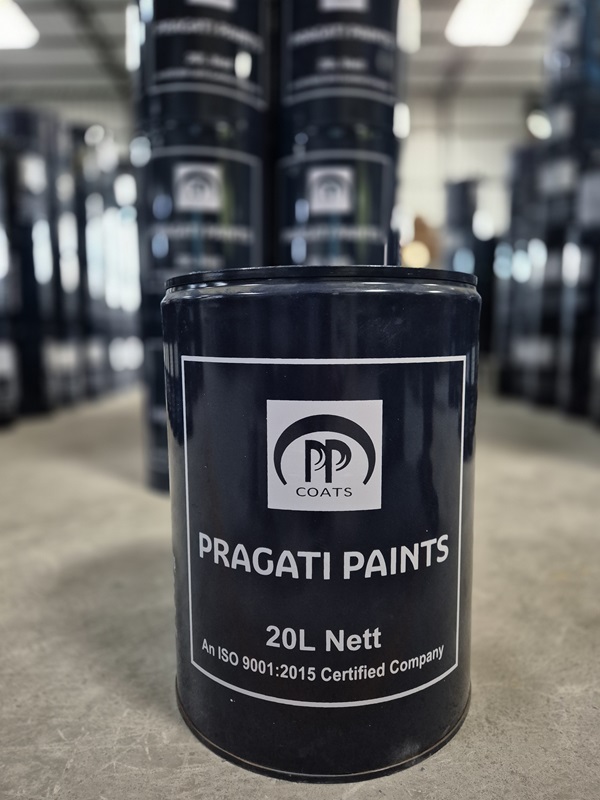 | Expoxy Paint High-Performance Protection for Steel Structures When it comes to long-term corrosion protection of metal surfaces, Epoxy Zinc Rich Primer is one of... View product → |
Frequently asked questions
How does zinc-rich epoxy primer protect damaged steel?
It combines sacrificial zinc protection with an epoxy binder that adheres to steel and restricts water and chemicals from reaching the substrate.
What must epoxy zinc-rich primer contain, and how thick should it be?
Specify the zinc-dust content, binder type, application method and target dry-film thickness in the coating system datasheet and project specification.
What is the maintenance workflow for applying epoxy zinc-rich primer?
Inspect the steel, define repair boundaries, test the existing coating, remove corrosion and contaminants, prepare the surface, apply primer, and verify the finished system.
How do you test old paint and repair localised corrosion?
Check adhesion and compatibility on sound existing paint, remove loose or failed coating, clean corrosion to the specified preparation grade, and feather the repair edges.
How do you specify and verify the finished coating system?
Record surface preparation, primer product and batch, environmental readings, application conditions, coats and dry-film thickness, then inspect coverage and adhesion against the specification.