
Industrial painting projects require careful planning because coating performance depends on multiple factors beyond the paint itself. Even high-quality products may fail when surface preparation, product selection, or application methods are not handled correctly.
Manufacturing units, engineering companies, and industrial facilities in Chennai often invest in protective coatings to reduce corrosion and improve equipment life. Avoiding common mistakes helps businesses achieve better results and reduce unnecessary maintenance costs.
Choosing The Wrong Coating For The Environment
One of the most frequent mistakes is selecting a coating without considering the actual operating conditions.
Every industrial environment has different challenges, such as:
Moisture exposure
Chemical contact
Heat
Outdoor weather conditions
Mechanical wear
For example, a coating suitable for general indoor equipment may not provide adequate protection for outdoor structures or high-temperature applications.
Products such as EPOXY PAINTS, polyurethane coatings, and high-temperature paints are designed for different performance requirements.
Ignoring Surface Preparation
Surface preparation is one of the most important steps in any industrial coating process.
Applying paint over:
Rust
Oil contamination
Dust
Moisture
Old damaged coating
can reduce adhesion and shorten coating life.
Proper preparation helps create a suitable surface for primer and paint application.
Skipping The Primer Layer
Some businesses focus only on the final paint coat and overlook the importance of primers.
Primers support:
Better adhesion
Improved corrosion resistance
Stronger coating systems
Depending on the application, options such as EPOXY PRIMER, EPOXY ZINC PHOSPHATE PRIMER, or P.U Primer may be considered.
The correct primer creates a stronger base for the finishing coat.
Using Incorrect Thinners
Another common issue is using an unsuitable thinner with a coating system.
Different coatings require compatible thinners, including:
P.U. Thinner for polyurethane systems
EPOXY THINNER for epoxy coatings
Q.D. THINNER for quick-drying systems
Using the wrong thinner can affect drying, finish, and coating performance.
Applying Coatings Under Unsuitable Conditions
Environmental conditions during application can influence results.
Factors such as:
Humidity
Temperature
Surface moisture
Dust levels
should be considered before painting.
Industrial painting requires controlled application practices to achieve consistent results.
Applying Insufficient Coating Thickness
Coating thickness plays an important role in protective performance.
An insufficient coating layer may not provide the expected barrier against corrosion or environmental exposure.
Following recommended application procedures helps maintain coating effectiveness.
Not Considering Long-Term Maintenance
Some businesses select coatings based only on immediate requirements. However, long-term performance should also be considered.
A suitable coating system can help reduce:
Frequent repainting
Equipment downtime
Maintenance interruptions
Improving Industrial Coating Results In Chennai
Avoiding these common mistakes helps businesses achieve more reliable coating performance.
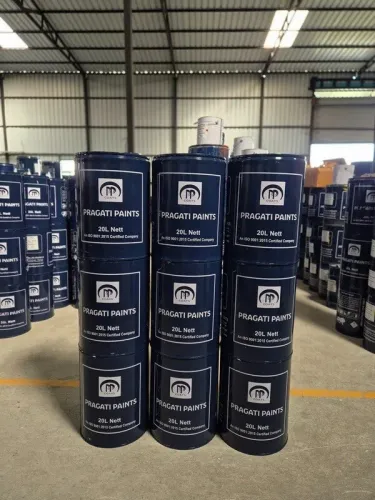
Pragati Paints and Allied Products helps industrial customers evaluate suitable coating options based on application requirements and surface protection needs.
With proper product selection, surface preparation, and application practices, industries in Chennai can improve coating durability and protect their valuable assets more effectively.