
Successful industrial coating projects require proper planning before the first coat is applied. Whether the project involves machinery, fabricated structures, industrial equipment, or maintenance work, selecting the right products and preparing the surface correctly are essential for achieving long-term performance.
Industries in Chennai often deal with conditions such as humidity, coastal atmosphere, operational heat, and industrial exposure. A structured approach helps businesses select suitable coatings and reduce the chances of premature coating failure.
Assess The Surface Condition First
Before selecting any industrial paint, businesses should evaluate the condition of the surface.
Important checks include:
Existing rust levels
Surface contamination
Previous coating condition
Metal type
Required preparation method
A damaged or poorly prepared surface can reduce the effectiveness of even high-quality coatings.
Define The Protection Requirement
Different industrial environments require different coating characteristics.
Businesses should identify whether the main requirement is:
Corrosion protection
Chemical resistance
Heat resistance
Weather protection
Decorative finish
Mechanical durability
This helps determine whether products such as epoxy coatings, polyurethane systems, synthetic paints, or high-temperature coatings are appropriate.
Select The Correct Coating System
Industrial coating performance depends on choosing the right combination of products.
A typical system may include:
Primer Layer
Primers improve adhesion and provide initial protection.
Options may include:
EPOXY PRIMER
EPOXY ZINC PHOSPHATE PRIMER
P.U Z/P Primer
Intermediate Or Protective Layer
Depending on the application, additional protective coatings may be required.
Final Finish Coat
The top layer provides the required surface characteristics and environmental resistance.
Consider Special Operating Conditions
Some industrial environments require specialised coatings.
For high-temperature applications, businesses may evaluate:
H.R PAINT @250º C
H.R PAINT @300º C
H.R PAINT @450º C
H.R PAINT @600º C
For chemical or corrosion-sensitive environments, epoxy-based systems may be considered.
For exterior surfaces where appearance retention matters, polyurethane coatings may provide suitable options.
Plan Application Conditions
The coating process should consider environmental and operational conditions.
Important factors include:
Surface temperature
Humidity levels
Drying time
Application method
Ventilation
Proper planning improves coating consistency and finish quality.
Prepare A Maintenance Approach
Industrial coating projects should consider future maintenance requirements.
Businesses should evaluate:
Expected coating life
Inspection schedules
Repair requirements
Operating conditions
A planned maintenance approach helps protect assets and reduce unexpected interruptions.
Work With An Experienced Industrial Coating Provider
Choosing suitable products becomes easier when businesses work with a provider that understands industrial applications.
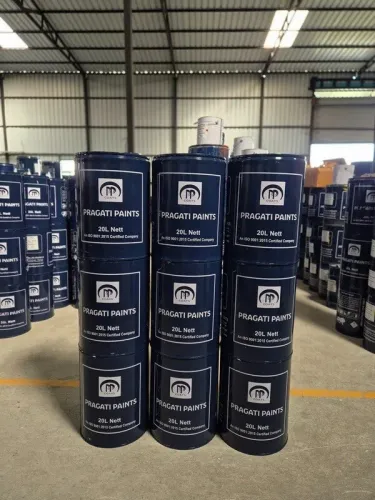
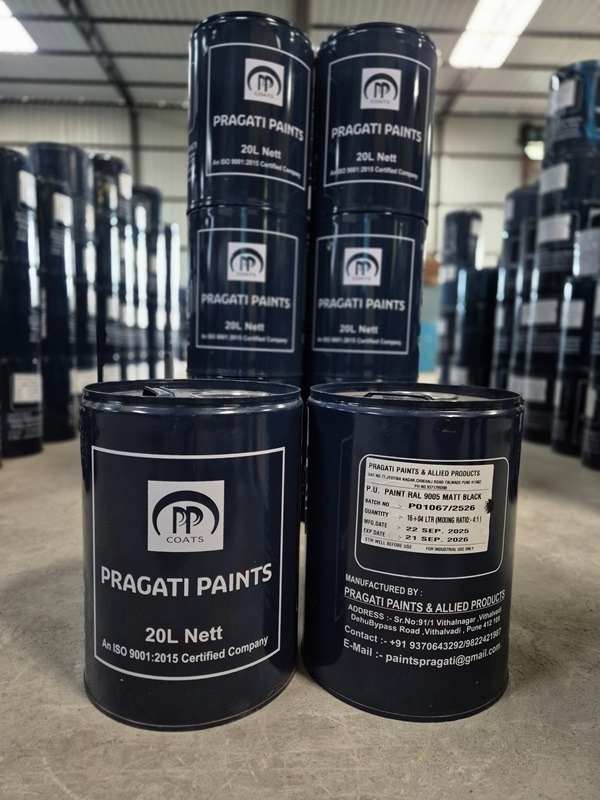
Pragati Paints and Allied Products helps customers in Chennai evaluate coating options according to different surface conditions and performance requirements.
A successful industrial coating project depends on preparation, correct product selection, and proper application practices. By evaluating requirements before purchasing, businesses can create coating systems that provide better protection and longer-lasting results.