
Chennai’s monsoon combines salt-laden air, high humidity, rainwater retention and repeated wet-dry cycles, creating a narrow window for protecting exposed steel. You will be able to plan the preparation, weather checks, coating sequence and inspection points needed before repeated wetting begins, while deciding whether an inorganic zinc system suits the structure at all.
Key takeaways
- Remove visible and soluble salts before coating steel.
- Keep steel temperature at least 3°C above the dew point.
- Choose zinc silicate, zinc-rich epoxy or zinc phosphate by exposure and system needs.
- Inspect for blistering, lifting, mud cracking and flash rust after rain.
How Chennai’s Monsoon Turns Clean Steel Into a Corrosion Risk
Abrasive-cleaned steel is not safe from Chennai’s monsoon. Coastal chlorides and sulfate-bearing deposits settle with salt-laden air, while humidity keeps residues active; rain then creates wet-dry cycles that concentrate contaminants as water evaporates. Salt and grime can remain invisible after drying, and condensation forms whenever steel cools below the dew point.
1. Treat each steel location as a separate exposure. Exposed faces receive rain and airborne salts; sheltered steel stays humid and dries slowly. Stiffeners, horizontal ledges and drain paths hold water, while welds, joints and bolted connections create crevices where corrosion starts unseen.
2. Plan epoxy for inorganic zinc before monsoon exposure in Chennai as a completed sequence, not a date on the calendar: inspect, degrease, abrasive-clean, apply the zinc primer, allow it to cure, apply the approved epoxy intermediate or finish, and complete final inspection before repeated wetting begins.
3. Keep temporary covers ventilated. A sealed sheet can trap humid air against steel, causing condensation and an unsound early film even without rain.
4. Record air temperature, steel temperature, relative humidity and calculated dew point during preparation and coating. Keep steel at least 3°C above the dew point when that project control is specified, including initial cure.
These controls matter in epoxy inorganic zinc weather applications because early rain, standing water or condensation can produce friable zinc, whitening, zinc salts, poor adhesion and underfilm corrosion. Weather planning protects the coating before Chennai’s wet-dry cycling begins.
The Surface Preparation and Dew-Point Checks That Decide Success
Treat steel as contaminated until inspection proves otherwise. For epoxy inorganic zinc steel structures, preparation must remove both visible defects and invisible residues before the first coat.
1. Inspect for mill scale, rust, salts, oil, grease, weld spatter, sharp edges and loose previous coating. Remove weld spatter and round sharp edges so the primer does not bridge defects or leave thin spots.
2. Degrease oil and grease before abrasive blasting. Blasting can spread oily contamination across the steel instead of removing it.
3. Abrasive-blast to Sa 2½ when the project specification calls for that cleanliness grade. Check the resulting blast profile against the coating data sheet; an unsuitable profile can reduce adhesion or leave inadequate coverage.
4. Remove abrasive dust with clean, dry air, vacuuming or another approved method. Then inspect the surface under good lighting.
5. If steel has faced marine air or rain, test soluble salts using a Bresle-type extraction method. Remove contamination and repeat the test when the result exceeds the project limit.
6. Before and during application, record air temperature, steel temperature, relative humidity and calculated dew point. Keep steel at least 3°C above dew point when that project control is specified, including through initial cure.
7. If rain starts, stop work. Cover the steel without sealing condensation against it, allow the surface to dry, then repeat visual, salt and dew-point checks before resuming. This sequence is central to epoxy for inorganic zinc before monsoon exposure in Chennai.
Choosing Between Inorganic Zinc Silicate, Epoxy Zinc and Zinc Phosphate
A “zinc primer” is not a sufficient specification. Name the binder and zinc-pigment type, because inorganic zinc silicate, epoxy zinc-rich primer and zinc phosphate epoxy protect steel through different mechanisms.
| Option | Binder and protection | Best-fit decision |
|---|---|---|
| Inorganic zinc silicate | Alkali-silicate binder with zinc particles; sacrificial galvanic action plus barrier protection | Blast-cleaned atmospheric steel where curing, dry conditions and controlled overcoating are available |
| Epoxy zinc-rich primer | Epoxy binder with zinc pigment; galvanic protection with more tolerant application and different recoat behaviour | Repair patches, previously painted surfaces and projects needing a more forgiving curing and overcoating window |
| Zinc phosphate epoxy | Epoxy binder with zinc phosphate; barrier and inhibitive protection, not the same zinc-to-steel galvanic action | Systems where galvanic zinc contact is unsuitable or where the approved specification selects an inhibitive epoxy primer |
Inorganic zinc requires electrical contact between zinc and steel. Excessive thickness, contamination or an insulating layer reduces that contact; insufficient film thickness reduces durability. Excess thickness can also cause mud-cracking and cohesion failure.
Choose separately for atmospheric steel, sheltered humid areas, splash zones, permanent immersion, buried service and chemical exposure. A coating approved for an ISO 12944 atmospheric category is not automatically approved for continuously wet steel. Repair patches and previously painted surfaces need separate approval.
For epoxy inorganic zinc monsoon use, apply epoxy over inorganic zinc only after the silicate has cured and passed the specified checks. It acts as a compatible intermediate or barrier layer; it does not make uncured zinc primer rain-ready. For epoxy inorganic zinc steel structures, require the specification to state:
- Binder type and zinc-pigment type
- Exposure approval and dry-film thickness limits
- Recoat conditions and permitted finish coats
The Monsoon Coating Sequence and Failure Signs to Catch Early
Complete the system before sustained rain: blast-cleaned steel, specified zinc-rich primer, cured and inspected, compatible epoxy sealer or intermediate, then the approved finish coat. That sequence is the practical basis for epoxy inorganic zinc monsoon use and epoxy inorganic zinc weather applications.
1. Apply the inorganic zinc at the specified wet- and dry-film thickness. Do not overcoat by calendar date alone; confirm surface cure under the manufacturer’s conditions. Early epoxy can soften or lift the silicate.
2. Inspect the cured zinc for friability, whitening, zinc salts, chalking, dust and soluble salts. Wash and dry contaminated surfaces, then condition them as specified. A compatible mist coat or tie coat is required when the epoxy solvent strength or zinc profile demands it.
3. Apply the approved epoxy sealer or intermediate at its thickness limit. Strong-solvent epoxy can blister uncured zinc, while excessive epoxy thickness traps solvent and causes pinholing. Poor ventilation delays cure and promotes amine blush, mud cracking, blistering and adhesion loss.
4. Apply the specified finish coat after recoat checks. Epoxy is not usually the final UV-resistant layer; polyurethane or another approved finish commonly protects exposed steel.
5. After the first wetting event, inspect for friable zinc, whitening, blisters, pinholes and lifted areas. Record visual findings, wet- and dry-film readings, and salt checks; perform adhesion or holiday testing where specified. Repeat these tests after every weather interruption before recoating.
For an epoxy inorganic zinc coating in Chennai, covered steel still needs ventilation: sealed covers trap condensation and turn a sound application into a failure.
How to Approve an Epoxy Inorganic Zinc System for Your Chennai Project
Approve an epoxy inorganic zinc coating in Chennai only after the manufacturer’s evidence matches your steel, exposure and application window. Request the complete approved system, not a standalone primer.
- Product data sheets and safety data sheets.
- Binder identity and zinc-pigment description.
- Required surface cleanliness, surface-profile range, wet- and dry-film thickness limits.
- Curing conditions, recoat interval, permitted intermediate and finish coats.
- Manufacturer cure and recoat tests, plus inspection records for steel temperature, relative humidity and dew point.
Reject calendar-only scheduling. Chennai humidity does not prove cure; confirm readiness through the manufacturer’s tests and recorded conditions. Verify the selected ISO 12944 atmospheric corrosivity category, and do not extend it to immersion or continuously wet steel without separate evidence.
| Option | What to compare | Suitable decision |
|---|---|---|
| Inorganic zinc silicate | Alkali-silicate binder, moisture cure, strict recoat and surface-cure evidence | Atmospheric steel after verified cure |
| Epoxy zinc-rich | Epoxy binder, different curing and overcoating tolerance | Repairs, previously painted steel or short shutdowns |
| Zinc phosphate epoxy | Barrier and inhibitive protection without the same zinc-to-steel contact | Repairs or systems where inorganic zinc is impractical |
For epoxy inorganic zinc weather applications, compare these alternatives for repair areas and previously painted steel rather than forcing one system onto every surface. Pragati Paints & Allied Products can help assemble documentation and a substrate-specific coating schedule; still approve only evidence matched to the exposure.
Related products
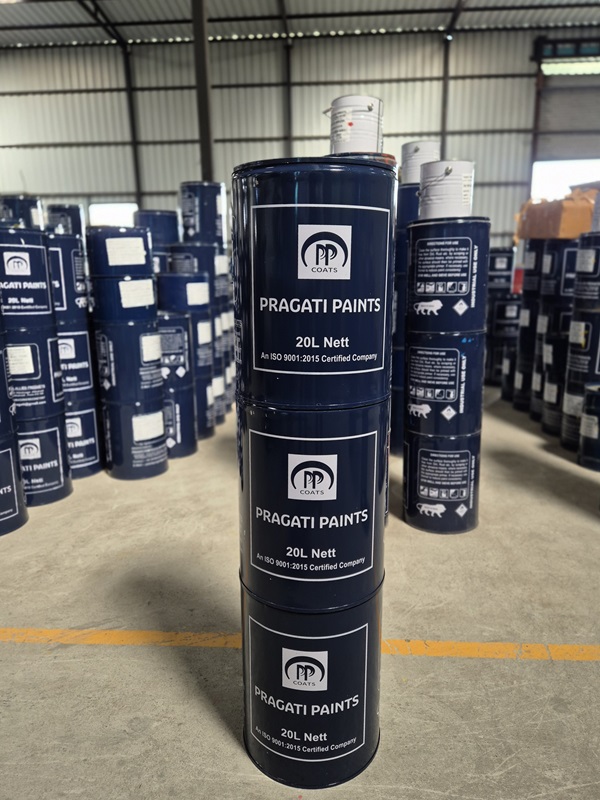 | Expoxy Paint Epoxy Inorganic Zinc Silicate Primer Heavy-Duty Anti-Corrosive Protection for Extreme Industrial Conditions When it comes to the highest level of corrosion protection, especially in... View product → |
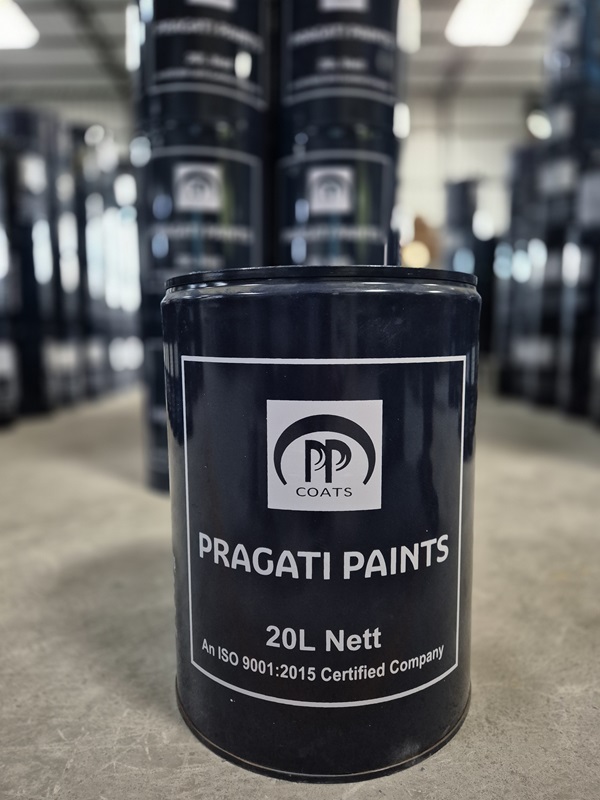 | Expoxy Paint High-Performance Protection for Steel Structures When it comes to long-term corrosion protection of metal surfaces, Epoxy Zinc Rich Primer is one of... View product → |
Frequently asked questions
Why does Chennai’s monsoon increase corrosion risk on clean steel?
Coastal chlorides, sulfate-bearing deposits, humidity, rain and repeated wet-dry cycles keep steel surfaces corrosive even after abrasive cleaning.
What surface checks must you complete before applying epoxy inorganic zinc?
Verify the blast-cleaned profile, remove dust and soluble salts, measure steel and air temperature, and confirm steel remains at least 3°C above the dew point.
How do inorganic zinc silicate, zinc-rich epoxy and zinc phosphate differ?
Inorganic zinc silicate provides zinc-rich galvanic protection under suitable conditions; zinc-rich epoxy offers easier application and stronger barrier properties; zinc phosphate is a non-zinc-rich inhibitive primer with different exposure limits.
What coating failures should you catch during Chennai’s monsoon?
Inspect for flash rust, blistering, peeling, mud cracking, pinholes, underfilm corrosion and loss of adhesion after wet weather.
How do you approve an epoxy inorganic zinc system for a Chennai project?
Review the product data sheet, compatible primer and topcoat sequence, surface-preparation standard, recoat window, dew-point limits, dry-film thickness and inspection records before approval.