
A worn industrial coating does not always require complete removal, but recoating over weak adhesion, rust, oil, or moisture can lock in failure. You will be able to inspect the existing surface, test compatibility, prepare it correctly, and decide whether a clear recovery system is safer and more economical than a new pigmented coating or full refurbishment.
Key takeaways
- Recover surfaces only when the film is bonded and the substrate is sound.
- Remove contamination, abrade glossy areas, and test adhesion before recoating.
- Control surface cleanliness, moisture, mixing, pot life, and curing conditions.
- Compare repair records, technical data, batch details, and supplier support before buying.
When a Worn Surface Can Be Recovered Instead of Replaced
Recovery is feasible when the existing film remains bonded and the substrate is sound. Epoxy clear lacquer surface recovery means cleaning, abrading, recoating, or locally repairing a worn film.
An epoxy clear lacquer industrial finish can restore gloss, stain resistance, cleanability, and film continuity, but it cannot hide rust marks, colour variation, repairs, uneven texture, lost concrete, active corrosion, or structural cracking.
Inspect in this order:
- Check adhesion, then remove loose or delaminated coating.
- Trace rust bleed-through to its source; remove rust and apply a compatible anti-corrosion primer before the clear topcoat.
- Open blisters and inspect for moisture, corrosion, or poor intercoat bonding.
- Record chalking, deep scratches, exposed steel or concrete, oil contamination, and missing substrate.
- Reject recovery where active cracks, persistent damp concrete, or structural substrate loss remains.
Clear epoxy is unsuitable for high-UV outdoor exposure, high-temperature equipment, flexible substrates, severe abrasion, or surfaces needing colour correction. Choose a repair or replacement system instead.
| Option | UV resistance | Cure speed | Chemical resistance | Appearance and repairability | Service condition |
|---|---|---|---|---|---|
| Epoxy clear lacquer | Low to moderate | Moderate | High | Clear, glossy; repairs show | Interior, rigid, moderate wear |
| P.U. clear lacquer | High with aliphatic grades | Moderate | High | Clear, colour-stable; repairs show | UV-exposed areas |
| Q.D. clear lacquer | Low to moderate | Fast | Low to moderate | Clear; easy local recoating | Short shutdowns, light duty |
| Pigmented epoxy | Low to moderate | Moderate | High | Hides colour variation and repairs; harder to match | Corrosion control and appearance correction |
How to Inspect, Prepare, and Test the Existing Coating
Epoxy clear lacquer surface recovery starts with a sound substrate, not another coat. Reject areas with active corrosion, delamination, blistering, missing concrete, unstable wood, or oil that remains after cleaning. Repair or replace those areas first.
- Degrease with a cleaner compatible with the existing coating.
- Remove loose paint, rust, laitance, weak cement paste, curing compounds, and damaged wood.
- Mechanically abrade the remaining film until the profile is uniform; glossy old coatings need abrasion.
- Remove dust with an approved method.
- Dry the surface fully, then mask adjacent areas.
On steel, remove corrosion and apply a compatible anti-corrosion primer where specified. On concrete, check slab relative humidity and use calcium-chloride vapour testing when the flooring system requires it; acceptance limits belong to that system. Stabilize or replace soft, cracked, or water-damaged wood.
| Existing coating | Preparation decision | Main risk |
|---|---|---|
| Cured epoxy | Wash, abrade, and remove dust | Amine blush or weak intercoat adhesion |
| Polyurethane | Confirm solvent and recoat compatibility, then abrade | Solvent attack |
| Alkyd or acrylic | Test adhesion and solvent response before abrasion | Softening or lifting |
| Unknown coating | Isolate a trial area and obtain compatibility advice | Unpredictable failure |
For amine blush, follow the coating manufacturer’s wash-and-abrasion procedure; solvent wiping alone can spread the waxy contamination. Where applicable, use ASTM D3359 cross-hatch adhesion testing, plus a solvent-rub check using the existing coating’s approved solvent.
Finish with a small trial patch and leave it through the intended cure and service exposure before coating the whole area.
Application Controls That Decide Whether the Clear Finish Holds
The finish holds only when you control the product’s limits before mixing. Obtain the technical data sheet for the exact epoxy clear lacquer and confirm:
- Resin-to-hardener ratio, induction time, pot life, recoat window, dry-film thickness, coverage rate, thinning limit, substrate and air temperature range, humidity limit, and cure schedule.
Pot life begins when resin and hardener combine. Do not add unapproved solvent, use gelled material, or exceed the stated working time; these errors can produce whitening, pinholes, cratering, soft film, weak adhesion, or gloss loss. Use the recommended thinner, not a generic solvent.
Brush, roller, and spray create different risks:
| Application | Best use | Main control |
|---|---|---|
| Brush | Edges and small repairs | Avoid brush marks and uneven film build |
| Roller | Broad areas | Use the specified type; excess build can reduce clarity |
| Spray | Large, uniform surfaces | Follow nozzle, pressure, flash-time, ventilation, and overspray-containment requirements |
Touch-dry is not cured. Observe separate times for recoating, return to service, water exposure, and chemical exposure. Warming concrete can drive trapped air or moisture outward, creating bubbles and pinholes; follow the temperature range, moisture limits, coverage rate, and approved roller or squeegee method.
An epoxy clear lacquer industrial finish can yellow or chalk under UV exposure and can fail under abrasion, heat, moisture, or chemicals. Confirm service limits and request test evidence: ASTM D4060 for abrasion, ASTM D523 for gloss, ASTM D4541 for pull-off adhesion, and ASTM D1308 for chemical effects.
Maintenance, Local Repairs, and the Real Cost of Recovery
Inspect high-traffic or abrasive areas weekly; inspect lower-traffic areas monthly and after spills, impacts, flooding, or chemical exposure. Check film continuity, gloss loss, pinholes, blistering, edge damage, rust bleed-through, and new substrate exposure. A maintenance coat is justified only when the film remains bonded and the defect is wear, not delamination or active corrosion.
1. Remove abrasive grit frequently with a compatible detergent, soft brush or mop, and clean water where the technical data sheet permits. Do not use strong solvents, concentrated acids, harsh alkaline cleaners, or aggressive abrasive pads unless the product data sheet approves them; these can dull, soften, or scratch the film.
2. For an isolated failure, clean the area, remove loose material, and feather the damaged edges. Spot-prime exposed steel or porous substrate when the system specifies it, then apply the clear coating within its stated recoat window. Transparent films reveal overlap lines, so a local repair can remain visible.
3. Choose a broader recoat when gloss is uneven across the floor, multiple repairs overlap, or appearance matters more than limiting preparation. An aged film usually needs abrasion and dust removal before recoating; cleaning alone works only within the specified chemical-bond window.
Plan the real effort around shutdown, access equipment, containment, forced ventilation, surface preparation, cure time, waste removal, and extra adhesion or solvent-rub testing for an unknown coating.
For solvent cleaning or spraying, control ignition sources, provide forced ventilation, wear the respirator specified by the safety data sheet, use chemical-resistant gloves and eye protection, and dispose of solvent-contaminated waste as regulated waste. That discipline keeps epoxy clear lacquer maintenance from becoming another epoxy clear lacquer surface recovery project.
What to Request Before Choosing a Supplier or Recovery System
Reject any offer that calls a coating an “industrial finish” without showing its tested service limits. “Epoxy clear lacquer” can mean a one-component epoxy-modified lacquer or a two-component system, so the technical data sheet must identify the resin, hardener, and intended use.
Ask the supplier for:
- Technical data sheet, safety data sheet, batch number, and shelf life
- Resin-to-hardener mixing ratio, solids content, pot life, and coverage at a stated dry-film thickness
- Compatible substrates, recommended thinner, induction time, recoat interval, and cure-to-service schedule
- Temperature and humidity limits, UV guidance, and a chemical-exposure table
- Test certificates when a regulated service requires documented performance
State the result you need before comparing prices. A clear system cannot correct colour differences or hide repairs.
| Priority | Specify this outcome | Main selection concern |
|---|---|---|
| Retained substrate appearance | Preserve the existing colour and texture | Uniform preparation and clarity |
| Cleanability | Reduce staining and simplify washing | Chemical resistance and smooth film |
| Colour correction | Change or even out appearance | Use pigmented epoxy, not a clear coat |
| Corrosion protection | Control rust on steel | Compatible primer and exposure data |
| Slip resistance | Improve wet-foot traction | Aggregate grade, broadcast rate, and cleaning burden |
| Rapid return to service | Reopen the area quickly | Recoat, cure, and service intervals |
Aggregate improves wet-foot traction but increases dirt retention, cleaning effort, and visual variation. Request separate evidence for adhesion, abrasion, gloss, and chemical resistance, including ASTM D4541, ASTM D4060, ASTM D523, or ASTM D1308 results where relevant.
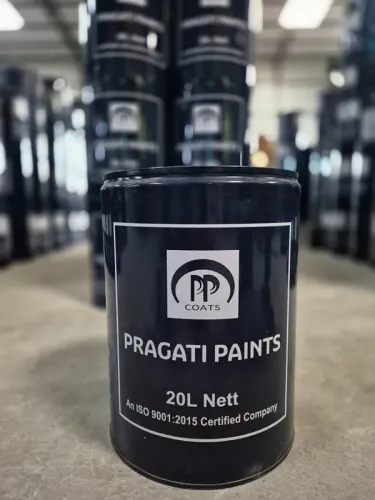
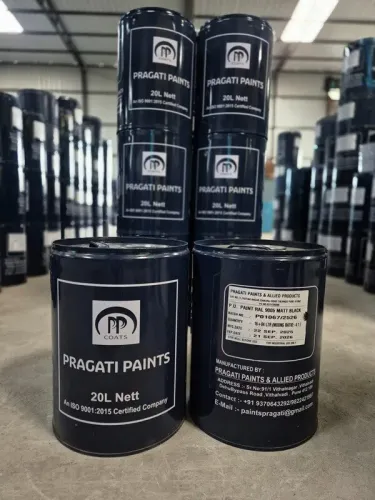
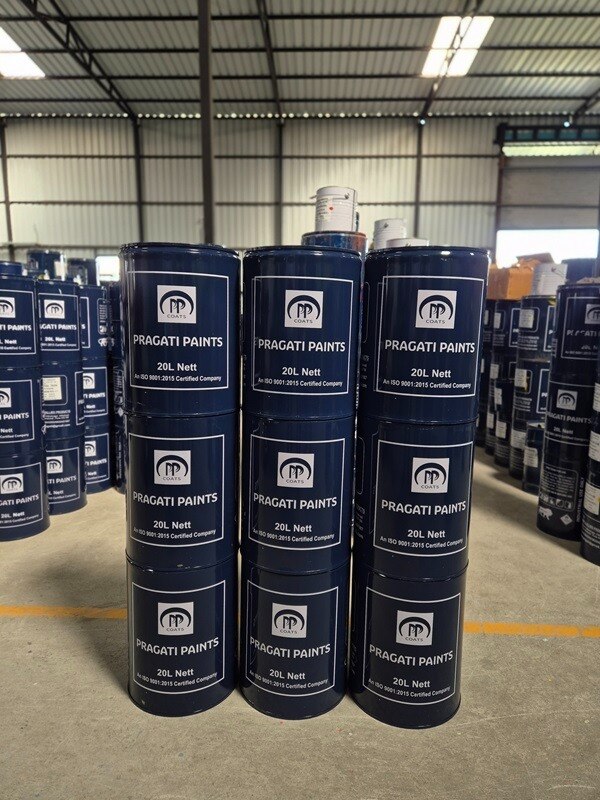
Pragati Paints & Allied Products, a Pune-based industrial coating manufacturer, trader, and wholesale supplier, can be asked for exact product data and compatibility documents; base the purchase on tested service conditions, not a generic clear-coating claim. Ask for an epoxy clear lacquer maintenance recommendation that matches the same exposure.
Related product
 | Expoxy Paint Premium Transparent Protective Coating for Industrial & Decorative Applications Epoxy Clear Lacquer is one of the most trusted transparent coatings... View product → |
Frequently asked questions
When can a worn industrial surface be recovered instead of replaced?
Recovery is feasible when the existing coating remains bonded, the substrate is sound, and damage is limited to wear or local defects. Replace or remove the system when widespread delamination, substrate failure, contamination, or moisture prevents reliable adhesion.
How do you prepare an existing coating for epoxy clear lacquer surface recovery?
Inspect for blistering, peeling, cracks, oil, salts, moisture, and weak areas. Clean the surface, remove unsound film, abrade glossy coating to create a key, repair defects, remove dust, and perform an adhesion test before full application.
Which application controls affect an epoxy clear lacquer industrial finish?
Follow the product data sheet for mixing ratio, induction time, pot life, application temperature, substrate temperature, recoat window, film thickness, and cure time. Keep the surface clean and dry, and prevent traffic until the coating has cured.
What should you request before choosing an epoxy clear lacquer supplier?
Request the technical data sheet, safety data sheet, batch number, shelf life, mixing instructions, coverage guidance, compatible primers, recoat limits, cure schedule, and repair procedure. Ask how the supplier will support site testing and local repairs.