
Peeling metal is a failure symptom, not proof that you selected the wrong primer. Identify where the coating has failed, verify the steel and application conditions, then choose between P.U. zinc phosphate primer and epoxy primer according to the exposure, substrate movement and topcoat system.
Key takeaways
- Identify whether peeling occurs at steel, primer, or topcoat before recoating.
- Remove oil, soluble salts, rust, and loose coating before applying primer.
- Choose PUZP or epoxy based on exposure, adhesion, drying, and recoat needs.
- Measure dew point and wet-film thickness during every coating application.
Find the failure layer before changing the primer
Peeling identifies the failed layer, not automatically the wrong primer. A coating lifting in large sheets from clean steel points to poor preparation, oil, soluble salts, condensation or inadequate adhesion. Peeling between primer and topcoat points to contamination, an exceeded recoat interval or incompatible coats.
Cracking within the primer, rust blisters and soft, solvent-trapped film indicate different failures. The phrase p u zinc phosphate primer peeling does not diagnose any of them.
- Scrape a loose edge and photograph the exposed surface. Record whether the break is at steel/primer, primer/topcoat or inside one coating layer.
- Map the affected area, then inspect welds, sharp edges, bolt heads and water traps. Flash rust, pitting or blister centres indicate corrosion or moisture involvement.
- Check the coating records: batch numbers, two-pack induction time, thinner and addition rate, surface-preparation grade, soluble-salt result, ambient and steel temperatures, relative humidity, dew point, wet or dry film thickness and time between coats.
- Compare the result with the product data sheet. If the maximum overcoat interval was exceeded, solvent wiping alone is insufficient; abrade using the manufacturer’s approved method and remove dust before recoating.
Use ASTM D3359 cross-cut or cross-hatch testing as supporting evidence, not the explanation itself. Record the rating, film thickness, cut spacing, test execution and failure location. If prepared steel is clean and the primer remains bonded while only the topcoat detaches, changing primer family will not fix the process failure.
Inspect and prepare peeling steel in Pune
A loose sheet is evidence, not a diagnosis. Scrape back one peeling edge and identify whether the break is at steel/primer, within the primer, or between primer and topcoat; large sheets lifting from clean steel point to contamination, condensation or poor preparation.
1. Map the damaged area and photograph exposed steel, flash rust, pitting and corrosion staining. Mark concentration around welds, sharp edges, bolts, lap joints and water traps.
2. Record batch numbers, mixing or induction time, thinner identity and addition rate, ambient and steel temperatures, relative humidity, dew point, surface-preparation grade, wet- and dry-film thickness, and time between coats. This evidence matters when investigating epoxy primer peeling metal in Pune.
3. Remove oil and grease with a suitable solvent-cleaning method, then test for soluble chlorides using the Bresle method. Abrasive blasting does not reliably remove salts; follow the project specification’s permitted level.
4. Blast sound carbon steel to the specified ISO 8501-1 grade, commonly Sa 2½, and verify the anchor profile against the primer data sheet using ISO 8503 comparators or a profile gauge. Remove dust to the specified ISO 8502-3 level, then prime before flash rust develops and within the stated maximum interval.
5. Treat old sound paint, galvanised steel and exposed steel differently. Feather intact edges, abrade beyond the repair, and remove failed coating; on galvanising, remove white rust and contaminants without stripping the zinc unnecessarily.
If an epoxy has formed amine blush, wash it off, dry the surface and abrade it before recoating. Solvent wiping alone will not restore adhesion after an exceeded recoat window.
Compare PUZP and epoxy against the actual service
Choose epoxy when the steel will face immersion, solvents or aggressive industrial chemicals; choose P.U. zinc phosphate primer for suitably prepared atmospheric steel when faster handling, weathering performance or polyurethane-finish compatibility matters. The product data sheet and complete coating system decide the result, not the primer name.
A p u z p primer comparison in pune should examine the specified exposure category, surface profile, dry-film thickness, recoat window and topcoat. Zinc phosphate is an inhibitive pigment, not metallic zinc dust; PUZP therefore does not provide the cathodic protection of a zinc-rich primer.
| Option | Performance difference | When it applies |
|---|---|---|
| P.U. zinc phosphate primer | Flexible and often quicker to handle; compatible with suitable polyurethane finishes, but moisture can cause foaming, pinholes, carbon-dioxide blistering or poor cure in isocyanate systems | Atmospheric steel within the manufacturer’s limits, with strict humidity and condensation control |
| Epoxy primer | Usually stronger barrier, adhesion, immersion, solvent and chemical resistance; cure and recoat timing depend on formulation, temperature and film thickness | Chemical plants, splash zones or immersion systems when the data sheet specifically permits that exposure |
| Epoxy under sunlight | Can chalk and lose gloss while retaining corrosion protection | Protect with a UV-resistant polyurethane or specified topcoat rather than changing primer alone |
For p u z p primer or epoxy primer peeling in Pune, identify the failure location before switching products. Delamination from steel points to preparation, salts, condensation or contamination; separation at the primer-topcoat interface points to recoat timing or compatibility, while cohesive cracking, corrosion blistering and osmotic blistering require different repairs.
Control dew point, mixing and film thickness
Early peeling often starts with the application record, not the primer choice. During Pune’s monsoon, keep steel at least 3 °C above the calculated dew point; a dry-looking surface can still condense moisture. Check the steel temperature directly, not room temperature.
| Error | What to check | Result of getting it wrong |
|---|---|---|
| Condensation | Steel temperature, relative humidity and dew point before and during coating | Moisture trapped at the steel interface causes lifting and flash rust |
| Mixing | Batch numbers, resin-to-hardener ratio, induction time and thinner identity and addition rate | Soft, under-cured film loses adhesion or traps solvent |
| Film thickness | Wet-film readings, dry-film readings and edge coverage | A thin film gives weak corrosion protection; an excessive film cracks, sags or retains solvent |
| Recoat timing | Time between coats against the product’s minimum and maximum window | Poor intercoat adhesion or solvent entrapment causes peeling |
For p u z p primer or epoxy primer peeling in pune, record surface-preparation grade, soluble-salt results, ambient and steel temperatures, and every coat’s thickness. Without those records, an adhesion test identifies the symptom but rarely the process failure.
Two-pack epoxy also needs attention after curing: cool, humid conditions can create amine blush, a waxy water-soluble film. Wash it off, abrade as specified and remove dust before recoating, or the topcoat can peel while the primer remains attached.
Choose a complete coating system, not a primer name
Choose the coating system by exposure and substrate, not by the primer label. A p u z p primer or epoxy primer peeling in Pune can reflect poor preparation, salts, condensation or an exceeded recoat interval rather than the wrong chemistry.
Specify surface preparation, profile, primer, intermediate coat, topcoat, total dry-film thickness and recoat window together.
| Option | Select it when | Check before approval |
|---|---|---|
| P.U. zinc phosphate primer | Atmospheric steel has been correctly prepared and the product data sheet permits the exposure | Confirm compatibility with the polyurethane topcoat, target thickness and maximum overcoat interval |
| Epoxy primer | Chemical exposure, damp service or immersion demands stronger barrier performance | Confirm cure temperature, moisture limits, intercoat preparation and the specified topcoat |
| Another specified system | The substrate is galvanised, the steel needs cathodic protection, or the project specification names a zinc-rich, etch or specialist system | Do not substitute zinc phosphate for metallic-zinc protection or an etch primer without written approval |
For a p u z p primer comparison in Pune, compare the complete specification against the actual service category. If peeling occurs at the steel interface, inspect salts with the Bresle method, remove contamination, abrade or blast to the specified profile, remove dust and prime within the permitted hold time.
If it occurs between coats, abrade beyond the maximum recoat window instead of relying on solvent wiping.
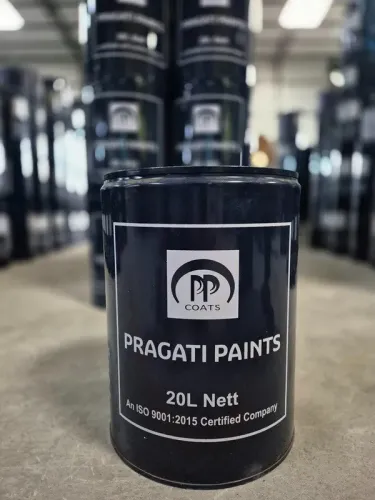
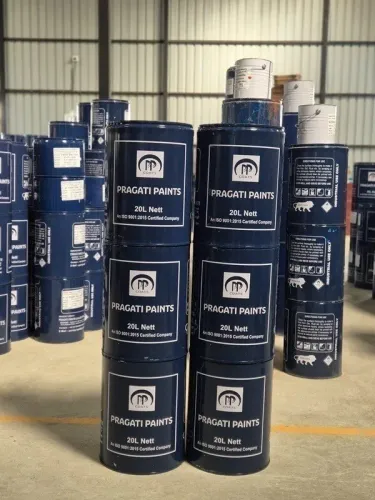
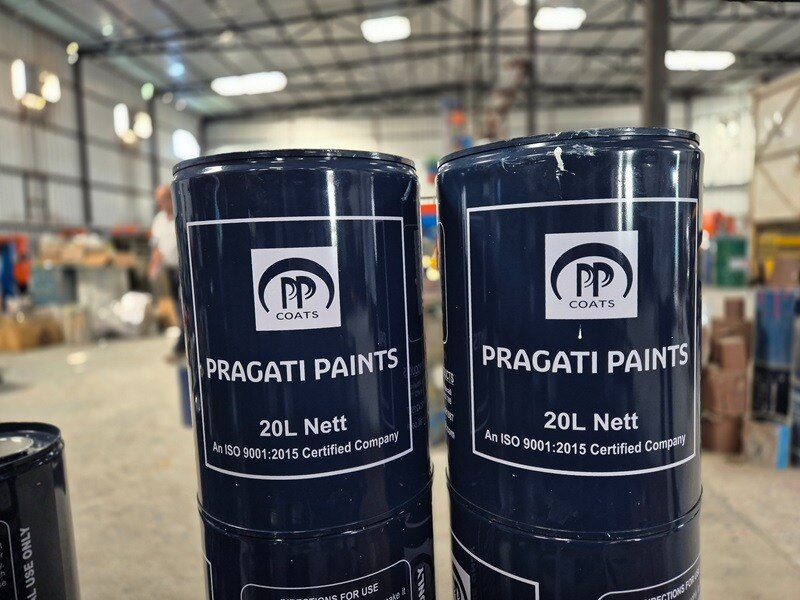
When reviewing a system from Pragati Paints & Allied Products, request the product data sheet, compatibility statement and repair procedure for the exact substrate and exposure.
Related products
 | Expoxy Paint Epoxy Primer – The Most Reliable Base Coat for Industrial Protection & Strong Adhesion When it comes to industrial painting, durability starts from... View product → |
 | Industrial PU Paint High-Performance Anti-Corrosive Coating for Industrial Protection When it comes to long-lasting metal protection, P.U Zinc Phosphate Primer stands... View product → |
Frequently asked questions
How do you find the failure layer in peeling steel?
Inspect where the coating separates: from steel, between primer and topcoat, or within the coating film. The location points to preparation, contamination, recoat, or compatibility problems.
How should you prepare peeling steel in Pune?
Remove loose coating, oil, rust, and soluble salts, then abrade or blast sound steel to the specified cleanliness and profile. Check that the surface is dry and above the dew point before priming.
Is PUZP or epoxy primer better for peeling metal?
Neither primer is automatically better. Compare the service exposure, required adhesion, drying time, recoat window, topcoat compatibility, and the complete coating system.
What application checks reduce primer peeling?
Measure steel temperature, air temperature, relative humidity, and dew point. Follow the specified mix ratio and induction time, and verify wet- and dry-film thickness against the system specification.
Related product
 | Expoxy Paint Premium Anti-Corrosive Protection for Industrial Metal Surfaces When industries need the highest level of corrosion resistance and strong adhesion,... View product → |