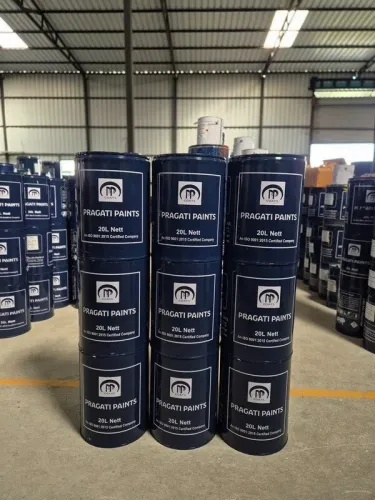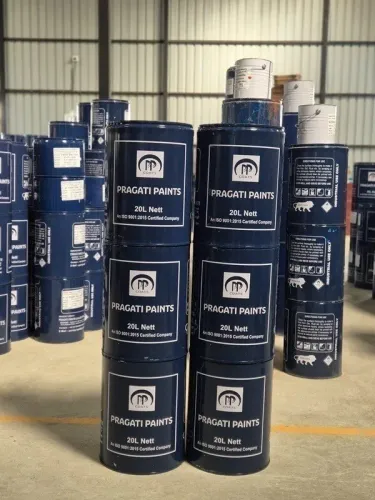

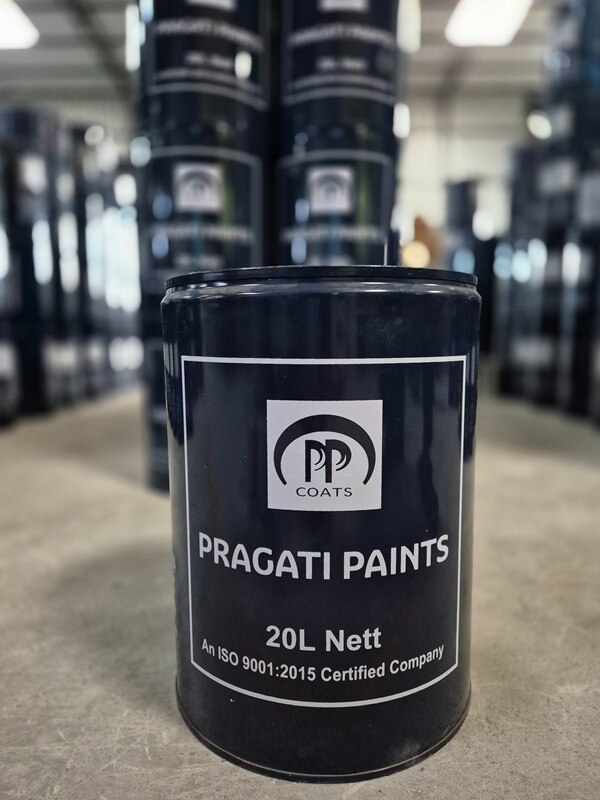
The correct primer depends on the machine’s metal, exposure, temperature, surface condition and topcoat—not on the word “epoxy” or the fact that the equipment is located in Pune. By the end, you can place the machine in an exposure category, compare zinc-phosphate and zinc-rich systems, and issue a purchase specification that a coating supplier can verify against its technical data sheet and SDS.
Key takeaways
- Classify exposure before choosing zinc phosphate primer.
- Use zinc-rich primer when galvanic protection is the priority.
- Confirm steel preparation, solvent compatibility and topcoat recoat limits.
- Specify dry-film thickness, inspection records and acceptance criteria.
Match the primer to the machine’s exposure and construction
The search question “which epoxy paints zinc phosphate primer for fits machinery in Pune” needs an exposure matrix, not a universal product. Pune’s inland location does not make outdoor equipment low-risk: monsoon rain, condensation, industrial fumes and dirt can move a machine from ISO 12944 C2–C3 conditions toward C3–C4.
| Machine condition | Suitable starting system | Confirm before choosing |
|---|---|---|
| Covered indoor, dry mild-steel frame or housing | Standard epoxy zinc-phosphate primer with epoxy finish | Expected condensation, abrasion and service life |
| Outdoor machine exposed to monsoon rain | Epoxy zinc-phosphate primer with a weather-stable polyurethane finish | Complete system rating, edge coverage and recoat window |
| Oil-contaminated, chemically exposed or washdown equipment | High-build epoxy zinc-phosphate system, or a specified chemical-resistant system | Immersion limits, chemical-resistance data and standing-water exposure |
| Hot or UV-exposed machinery | Heat-rated primer and finish, or validated primer with UV-stable polyurethane | Continuous operating temperature and sunlight exposure |
A sound zinc phosphate primer selection also follows the construction. Mild-steel frames, fabricated housings and structural supports suit epoxy systems after proper preparation; castings and machined parts need attention to pores, sharp edges and residual coolant. Galvanised parts and mixed-metal assemblies require a tested adhesion system rather than an automatic zinc-phosphate coat.
Zinc phosphate gives barrier and inhibitive protection. It is not zinc-rich paint and cannot provide sacrificial cathodic protection. Reject a standard atmospheric primer for immersion, aggressive chemicals or sustained heat unless the supplier documents the complete coating system for that service.
Compare zinc-phosphate, zinc-rich, polyurethane and alkyd options
A search for “epoxy paints zinc phosphate primer machinery in Pune” points to a system choice, not a universal product. Match the primer to the substrate, exposure and topcoat; a primer resin name alone cannot prove compatibility.
| Option | Protection and strengths | Best machinery fit |
|---|---|---|
| Standard epoxy zinc phosphate | Barrier and inhibitive protection; good adhesion and resistance to oil, moisture and intermittent chemicals | Mild-steel frames, housings and castings indoors or outdoors under atmospheric exposure |
| High-build epoxy zinc phosphate | Adds film thickness and edge coverage, but needs correct surface preparation and curing | Fabricated structures, rough welds and outdoor equipment needing more barrier protection |
| Epoxy zinc-rich | Metallic zinc provides sacrificial, cathodic protection at damaged steel; it is not equivalent to zinc phosphate | Carbon-steel structures where coating damage and atmospheric corrosion are serious concerns |
| Inorganic zinc silicate | High zinc loading and strong heat and solvent resistance, but it needs controlled application and a compatible topcoat | Structural steel or hot service validated by the coating supplier |
| P.U. zinc phosphate | Barrier protection with a polyurethane system suited to UV exposure when tested as a complete system | Outdoor machinery requiring colour and gloss retention |
| Alkyd zinc phosphate | Simpler, economical atmospheric protection, with weaker resistance to solvents, chemicals and prolonged wet service | Covered indoor machinery with mild exposure and an alkyd finish |
Zinc phosphate primer options in Pune should be compared by zinc content, dry-film thickness, recoat window, service-temperature limit and tested topcoat. Do not specify standard epoxy zinc phosphate for immersion, standing water or frequent washdown without written resistance data.
For sustained heat, validate the complete system; conventional epoxy can soften, lose adhesion or chalk in sunlight.
Prepare steel and check compatibility before priming
Early primer failure usually begins beneath the film: oil, soluble salts, loose rust, or an uncured shop primer remains on the steel and weakens adhesion. Prepare carbon steel to Sa 2½, leaving a clean, angular profile commonly between 40 and 75 µm.
1. Remove oil and grease with an approved cleaner, then wash away soluble salts and residue. Let the steel dry completely; salt contamination trapped below the coating can drive osmotic blistering.
2. Abrasive-blast mild-steel frames, housings, castings and supports to the coating supplier’s specified standard. Do not apply zinc-phosphate epoxy over loose rust, polishing residue, or poorly bonded old paint.
3. Check the surface profile against the primer’s required dry-film thickness. An excessive profile consumes more paint and leaves peaks with thin coverage; an inadequate profile reduces mechanical keying.
4. Identify every existing layer, including shop primer, and confirm its cure and adhesion. Apply a small trial patch if the substrate is previously coated, galvanised, or part of a mixed-metal assembly.
The planned topcoat controls compatibility. Epoxy over epoxy is straightforward inside the stated recoat window; polyurethane needs the specified epoxy surface and interval. An unrelated coating can lift or delaminate. For an epoxy primer for machinery manufacturers, record the technical data sheet’s minimum and maximum recoat intervals, temperature limits, and humidity restrictions before production painting.
If the maximum interval passes during Pune’s monsoon, abrade and clean as instructed before recoating.
Control application around Pune humidity, temperature and recoat windows
Confirm the steel temperature, air temperature, relative humidity, dew point margin, film thickness, drying time and recoat window before approving the product. In Pune’s monsoon, humid air and cold steel can trap solvent, causing blistering or poor adhesion even when the surface looks dry.
Ask for limits from the technical data sheet, not a generic “fast-drying” claim.
| Exposure | Application decision | Details to confirm |
|---|---|---|
| Indoor, dry machinery | Standard epoxy zinc-phosphate primer | ISO 12944 C2–C3 suitability, recommended dry-film thickness and compatible topcoat |
| Outdoor or monsoon-exposed machinery | High-build epoxy zinc-phosphate or a higher-protection system | C3–C4 assessment, edge retention, rain resistance and minimum recoat temperature |
| Oil-contaminated or washdown equipment | A system validated for oils, detergents and frequent water contact | Immersion or washdown data, chemical resistance and whether the atmospheric primer is unsuitable |
| Hot or UV-exposed equipment | Heat-resistant primer with a validated topcoat, or UV-stable polyurethane | Continuous and peak operating temperature, heat-cycle adhesion and chalking resistance |
For epoxy paints, zinc phosphate primer on machinery in Pune must be checked against the planned finish. Epoxy over epoxy is usually simplest within the stated interval; polyurethane needs the specified epoxy surface and timing. Exceed the maximum interval and abrade or otherwise prepare the film as instructed.
Ask the manufacturer to confirm:
- Steel temperature must remain above the dew point by the stated margin.
- Maximum relative humidity and minimum application temperature.
- Wet- and dry-film thickness, pot life and induction time.
- Minimum and maximum recoat intervals at Pune site conditions.
- Surface preparation required after delayed recoating.
Turn the choice into a defensible purchase specification
Before ordering, require a written specification that identifies the machine’s exposure, substrate, coating system and acceptance limits; a product name alone cannot defend zinc phosphate primer selection.
1. State the service category: covered indoor dry equipment, outdoor monsoon exposure, oil-contaminated or washdown equipment, or hot and UV-exposed equipment. Ask the supplier to map it to an ISO 12944 atmospheric category, such as C2, C3 or C4, and flag any standing water, immersion or chemical exposure.
2. Request the exact product data sheet and safety data sheet, including pigment type, zinc content, volume solids, recommended dry-film thickness, colour, mix ratio, induction time, pot life and storage life. Confirm that “zinc primer” means zinc phosphate epoxy, not zinc-rich metallic pigment with sacrificial protection.
3. Specify the steel preparation: abrasive blast standard such as Sa 2½ under ISO 8501-1, surface profile range, dust limit, soluble-salt limit, cleaning method and maximum time before priming. Exclude oil, grease, loose rust, salts and uncured shop primer.
4. Name the planned topcoat and demand a compatibility statement, recoat interval and intercoat preparation. Epoxy and polyurethane systems need the supplier’s stated window; an unrelated coating can lift or delaminate.
5. For washdown, immersion or chemical service, obtain written immersion and chemical-resistance data, edge-retention performance and the complete multi-coat system. Do not accept atmospheric-service data as proof of immersion suitability.
6. Ask Pragati Paints & Allied Products, or any supplier, to record batch number, manufacturing date, application conditions, test panels and certificate of conformity for the delivered lot. These records make zinc phosphate primer options in Pune comparable and auditable for an epoxy primer for machinery manufacturers.
Related products
 | Expoxy Paint Premium Anti-Corrosive Protection for Industrial Metal Surfaces When industries need the highest level of corrosion resistance and strong adhesion,... View product → |
 | Industrial Expoxy Paint Epoxy High Build Zinc Phosphate Primer Advanced Corrosion Protection for Industrial Steel Structures Industrial environments demand coatings that deliver long-lasting corrosion protection,... View product → |
Frequently asked questions
How do you match a primer to machinery exposure and construction?
Assess indoor or outdoor service, monsoon wetting, condensation, fumes, dirt and the machine’s steel, cast iron, concrete or mixed construction. Use ISO 12944 exposure categories as a starting point, then account for crevices, welds and maintenance access.
How does zinc-phosphate primer compare with zinc-rich, polyurethane and alkyd coatings?
Zinc-phosphate epoxy primers provide barrier protection and adhesion under compatible epoxy or polyurethane systems. Zinc-rich primers prioritise sacrificial zinc protection on prepared steel. Polyurethane is usually a topcoat choice for weather and colour retention, while alkyd systems suit less demanding service and compatible maintenance work.
What preparation and compatibility checks should you complete before priming machinery?
Remove oil, grease, rust, mill scale, salts and dust; specify the required abrasive blast or mechanical-cleaning grade. Check the existing coating, primer and topcoat chemistry, then perform a small adhesion and solvent-compatibility test before full application.
How should you control primer application in Pune conditions?
Record steel temperature, air temperature, relative humidity and dew point. Do not coat when condensation is possible, and follow the product data sheet for application temperature, dry-film thickness, minimum recoat interval and maximum overcoat window.
Related products
 | Expoxy Paint High-Performance Protection for Steel Structures When it comes to long-term corrosion protection of metal surfaces, Epoxy Zinc Rich Primer is one of... View product → |
 | Expoxy Paint Epoxy Primer – The Most Reliable Base Coat for Industrial Protection & Strong Adhesion When it comes to industrial painting, durability starts from... View product → |
 | Industrial PU Paint High-Performance Anti-Corrosive Coating for Industrial Protection When it comes to long-lasting metal protection, P.U Zinc Phosphate Primer stands... View product → |
 | Expoxy Paint Etch Primer – The Ultimate Solution for Superior Adhesion on Metal Surfaces When coating smooth, non-porous, or galvanized metal surfaces, achieving... View product → |