
A quotation for synthetic paint is incomplete if it names only a colour and a number of tins. By the end, you will know how to specify the complete coating system, check the commercial and technical inclusions, and receive each pack without leaving gaps that create site delays or coating failures.
Key takeaways
- Name the resin, coating role, substrate, exposure and application method.
- Put coat count, dry-film thickness and recoat interval in the purchase order.
- Check labels, batch numbers, seals, quantities and documents before signing delivery.
- Agree surface preparation, application controls and acceptance criteria with the supplier.
Specify the Complete Synthetic Paint System Before You Request a Quote
A quote must name the complete synthetic paint system, not merely “synthetic paint.” State the resin and role—such as solvent-borne alkyd primer, undercoat or finishing enamel—because products with the same colour are not interchangeable. Identify the substrate, service exposure, surface preparation, coat count, recommended dry-film thickness, recoat interval and application method.
1. Describe the surface: mild-steel equipment, structural steel, machinery, galvanised steel, aluminium, wood or concrete. Add the exposure, such as interior, exterior, chemical contact, immersion or elevated temperature.
2. State each product and net quantity separately: primer, undercoat, topcoat and any hardener required by the specified system. Ask the supplier to show whether the quoted quantity is net paint or gross packed weight.
3. Specify the shade by an approved colour reference or physical sample, plus gloss or finish. “Black” and “industrial grey” do not control shade tolerance or gloss.
4. List the thinner by product name and quantity, and confirm whether test panels, colour samples, spray tips, rollers, brushes or other application accessories are included. Synthetic enamel is often quoted as paint-only.
5. Record pack sizes and the number of packs, along with storage and application controls. For Pune’s humid monsoon conditions, require sealed, shaded storage away from ignition sources and stop painting when condensation is possible or steel is less than 3°C above the dew point.
These synthetic paints order details prevent a shortfall at site and expose an unsuitable system before you request a quote. Ask the supplier to state every inclusion and exclusion in writing.
Read Every Line of the Quotation and Purchase Order
A usable quotation defines the complete coating system, not just a synthetic enamel topcoat. Your synthetic paints order details should state the substrate and exposure—such as mild steel, galvanised steel, wood, interior service, exterior service, chemical contact, immersion or elevated temperature—because general-purpose enamel is not automatically suitable for severe conditions.
Check these synthetic paints inclusions before approval:
- Product name, grade, shade reference, gloss or finish, net quantity, pack configuration and total quantity; state whether the quoted quantity is net paint or gross packed weight.
- Primer, thinner, hardener where applicable, test panels, colour samples and application accessories; do not assume they are included in a paint-only quote.
- Surface preparation, primer, number of coats, target dry-film thickness, recoat interval, thinner ratio and application method.
- Technical data sheet, safety data sheet, batch or lot number, manufacturing date, shelf life, storage conditions and certificate of analysis or conformity when the project is specification-controlled.
| Quotation or PO field | Confirm before approval | Consequence if omitted |
|---|---|---|
| Commercial terms | Unit price, GST on the tax invoice, freight to Pune, unloading, MOQ, lead time, tint charges and payment terms | Unplanned cost or delayed work |
| Delivery terms | Replacement process for leaking or damaged packs | Disputes at receipt |
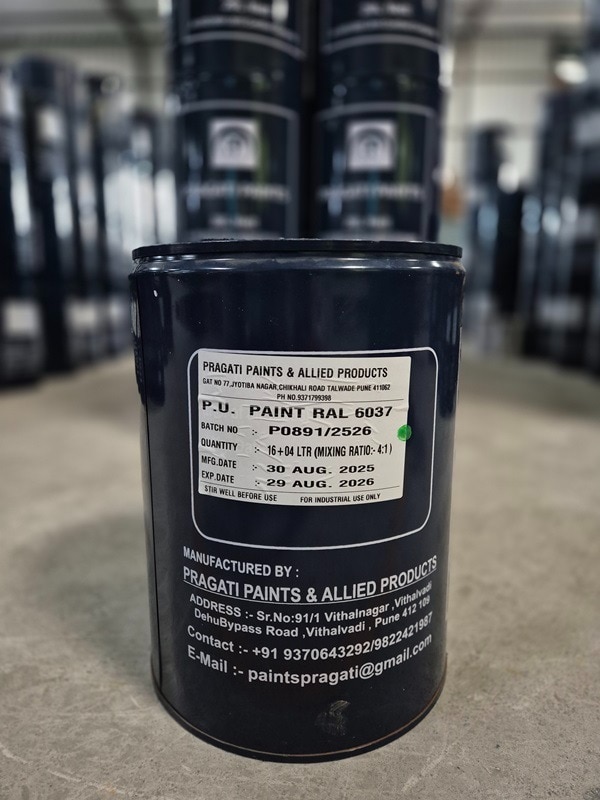
| Traceability | Product, shade, net quantity, supplier, hazard label and batch number on every pack | A defect or colour mismatch cannot be isolated |
Record each batch used on the project. A colour card confirms appearance, not the delivered batch’s performance.
Use a Receiving Checklist Before Signing the Delivery Note
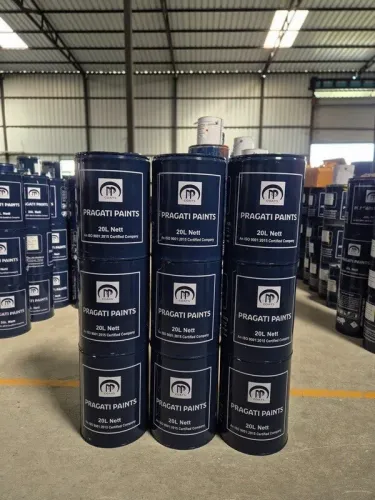
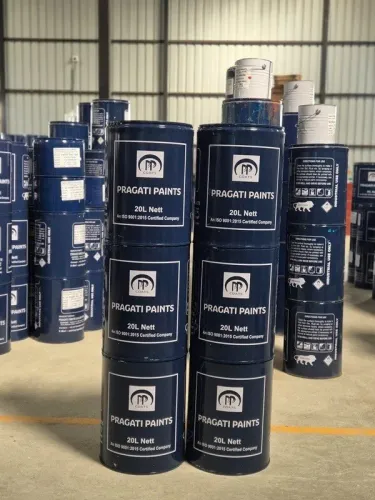
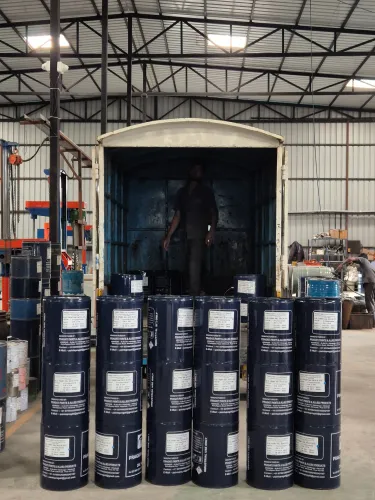
Before signing the delivery note, compare every pack with the purchase order and record discrepancies on the delivery challan. Do not rely on the driver’s count or a colour card.
1. Count the packs by product, pack size and quantity. Check that primer, undercoat, finishing enamel, compatible thinner and any hardener are present. Record shortages before unloading is accepted.
2. Inspect each container for an intact seal, readable label, leakage, bulging, rust, puncture and serious dents. Isolate leaking or damaged packs, photograph them, and write the pack count and damage against the delivery note.
3. Record the product name, resin or grade, shade reference, batch or lot number, manufacturing date and shelf life. Reject or quarantine packs with missing traceability, an unexplained shade variation or an expired shelf life.
4. Match the consignment against the invoice and delivery challan, including the Pune delivery point, GST treatment, freight and any replacement commitment. The tax invoice, not the trade name, establishes the billed classification and tax details.
5. Request and file the technical data sheet, safety data sheet, and certificate of analysis or conformity when the specification requires one. These synthetic paints inclusions prove what was supplied; a colour card alone does not prove performance.
6. Move solvent-borne packs into sealed, shaded storage away from ignition sources and within the supplier’s stated temperature limits. Before application, log site humidity and steel temperature; stop painting if condensation is possible or the steel is less than 3°C above dew point.
Your receiving file should link photographs, documents and quantities to the batch numbers. This record protects synthetic paints for industrial buyers when a shortage, damage claim or quality dispute appears later.
Match the Paint System to the Surface and Service Conditions
Synthetic paints fit mild-steel equipment, structural steel and machinery when the exposure is interior or ordinary exterior service and the specified primer is compatible with the steel. Do not treat a general-purpose synthetic enamel as a solution for continuous immersion, severe chemical contact or elevated temperature; compare epoxy, polyurethane, zinc-rich or heat-resistant systems instead.
| Surface | When synthetic paint fits | When to compare another coating |
|---|---|---|
| Mild or structural steel | Atmospheric service with correct rust removal, primer, undercoat and topcoat | Immersion, chemical fumes, abrasion or sustained high temperature |
| Galvanised steel | Exterior or interior service after cleaning, light abrasion and use of a galvanised-compatible primer | Persistent wetting, aggressive chemicals or poor access for preparation |
| Aluminium | Cleaned, abraded aluminium with a non-ferrous-metal primer and compatible finish | High abrasion, immersion or demanding chemical exposure |
| Wood | Dry interior or sheltered exterior joinery where a suitable wood primer controls absorption | Ground contact, persistent dampness, movement or fire-rated construction |
| Concrete | Dry, sound concrete for light-duty marking or finishing after removal of laitance and dust | Rising damp, water pressure, chemical attack or heavy traffic; compare masonry, epoxy or polyurethane systems |
For synthetic paints for industrial buyers, state the substrate, interior or exterior location, chemical contact, immersion, temperature and expected abrasion in the enquiry. Ask for the complete system: surface preparation, primer, coats, recommended dry-film thickness, recoat interval, thinner and application method.
During Pune’s monsoon, stop steel painting when condensation is possible. Keep the steel at least 3°C above the dew point; otherwise trapped moisture can cause blistering and early rust.
Set Application Controls and Acceptance Criteria with the Supplier
A paint order needs pass/fail rules before delivery, not after a coating fails on site. Put the synthetic paints order details and acceptance criteria in the purchase order, then attach the supplier’s technical data sheet.
- Define the service: name the substrate, indoor or outdoor exposure, chemical contact, immersion, and operating temperature. Do not accept a general-purpose synthetic enamel for continuous immersion or elevated-temperature service without written suitability.
- Specify preparation: state the cleaning method, abrasive standard, surface profile, primer, and maximum time between preparation and coating. Require approval of a test panel if the surface condition is uncertain.
- Control application: record mixing instructions, thinner type and limit, application method, recoat interval, ambient temperature, relative humidity, and wet or dry film thickness. Stop work when condensation is possible; keep steel at least 3°C above the dew point.
- Set acceptance tests: agree visual uniformity, shade against an approved sample or IS 5/RAL reference, gloss or finish, drying time, viscosity or application consistency, adhesion where relevant, and required DFT.
- Assign responsibility: state who supplies thinner, test panels, instruments, inspection records, and technical assistance. Require batch traceability and define whether the supplier must investigate, replace, or bear retesting costs after a failed result.
For Pune monsoon storage, write “sealed, shaded, away from ignition sources, and within the supplier’s stated temperature limits.” Confirm these synthetic paints inclusions, test methods, and reporting format in writing. Give Pragati Paints & Allied Products the same schedule when requesting a quotation; a brand and colour alone cannot control acceptance.
Related product
 | Industrial PU Paint (Polyurethane Aromatic Paint) is a robust, high-strength industrial coating specially designed to provide excellent mechanical durability, chemical... View product → |
Frequently asked questions
What details should a synthetic paint order include?
Specify the resin and coating role, substrate, service exposure, surface preparation, coat count, recommended dry-film thickness, recoat interval and application method.
What should you check in a synthetic paint quotation and purchase order?
Check the product names, grades, pack sizes, quantities, colours, agreed prices, taxes, delivery terms, batch or shelf-life requirements and every technical condition before approval.
What should industrial buyers inspect when synthetic paint is delivered?
Match the containers against the order, then check product names, quantities, colour, batch numbers, manufacturing or expiry information, seal condition, damage and accompanying documents before signing.
How do you match synthetic paint to industrial service conditions?
Compare the substrate and preparation method with exposure to moisture, chemicals, heat, abrasion and sunlight, then confirm the primer, undercoat and finishing enamel as one compatible system.