
Rework begins when a primer film looks complete but contains thin edges, pinholes, trapped contamination, or a coating applied outside its cure window. By controlling steel preparation, climate, mixing, film thickness, and inspection in sequence, you can identify defects before the next coat makes them expensive to remove.
Key takeaways
- Specify the environment, substrate, topcoat, and primer data sheet before ordering.
- Apply primer only to clean, dry steel above the dew point.
- Measure wet and dry film thickness, including edges, welds, and corners.
- Record recoat timing and inspect failure locations before repeating repairs.
Prevent rework by specifying the right zinc phosphate primer system
Specify the service environment, substrate, topcoat, and product data sheet before choosing a primer. A high-build epoxy zinc phosphate primer can reduce primer coats while delivering continuous corrosion protection at the specified dry-film thickness. That coverage limits early rust breakthrough, pinholes, skips, and another round of surface preparation.
The first specification mistake is treating zinc phosphate as zinc-rich paint. Zinc phosphate is an anticorrosive pigment; zinc-rich primer relies on metallic zinc, electrical contact, and sacrificial protection. They are not interchangeable. A second mistake is writing one nominal DFT without the product’s wet-film limits.
Excessive build can trap solvent, delay curing, sag, wrinkle, mud-crack, or lose intercoat adhesion.
Define the repair method before application:
- Remove loose or poorly bonded coating.
- Feather the sound coating edge and abrade or blast the exposed area.
- Remove dust, oil, salts, and other contamination.
- Spot-prime exposed steel, then restore the specified stripe coat and total DFT.
- Inspect for pinholes, skips, and holidays where the service specification requires it.
Overcoating a visible defect only buries the failure; it does not restore adhesion. This is the practical basis of epoxy zinc phosphate primer rework control. For searches involving epoxy paints, high-build zinc for phosphate primer rework, the key decision remains the same: match the complete system and repair rule, not merely the pigment name.
Prepare steel and control condensation before the first coat
Degrease steel before abrasive cleaning; oil left on the surface can drive into the profile and cause zinc phosphate primer coating problems. Remove mill scale, rust, and loose old paint to the specified ISO 8501-1 cleanliness grade, often Sa 2½ for blast-cleaned steel, and confirm the surface profile against the primer’s product data sheet.
- Test soluble salts with ISO 8502-6 extraction and ISO 8502-9 conductivity methods; wash and retest if the result exceeds the project limit.
- Check dust using ISO 8502-3 adhesive tape; vacuum or blow with clean, dry air until the test passes.
- Measure surface profile with ISO 8503 comparators or a profile gauge. An overly deep profile consumes primer and leaves peaks under-covered.
- Inspect for flash rust, abrasive residue, grease, and moisture immediately before application.
- Test existing paint for adhesion and solvent resistance, then apply a prepared test patch before priming the full area.
| Check | Pass condition | Failure prevented |
|---|---|---|
| Surface temperature | At least 3°C above dew point | Condensation, flash rust, and poor adhesion |
| Relative humidity and steel temperature | Within the primer manufacturer’s stated limits | Slow cure, amine blush, and trapped moisture |
| Weather protection | No rain, fog, spray, or dirty airflow reaching the steel | Water and airborne contamination in the wet film |
If condensation appears, stop. Dry the steel, correct ventilation or heating, and recheck the dew point before coating; painting over invisible moisture creates zinc phosphate primer coating problems that a thicker coat will not repair.
Control mixing, wet film, dry film, and difficult edges
Mix both components in the manufacturer’s stated ratio, using a clean container and a slow-speed mixer until the colour and consistency are uniform. Scrape the sides and bottom, observe the specified induction time, and use the stated pot life.
Thin only with the listed thinner and within the product-data limit; extra thinner can reduce film build and change curing.
- Apply a stripe coat by brush to welds, sharp edges, corners, bolt heads, pits, cut-outs, and other spray-shadowed areas. Work the primer into pits without leaving a heavy ridge.
- Spray the flat steel in controlled, overlapping passes. Keep the gun square to the surface and maintain a consistent distance; uneven speed creates sags in one area and thin coverage in another.
- Check wet film thickness with a wet-film comb while the coating is workable. Set the wet target from the primer’s volume-solids data and specified dry-film thickness, not from appearance.
- After curing, measure dry film with a calibrated magnetic or electronic gauge at flat steel and at repaired or geometrically difficult areas. Compare readings with the product’s minimum, maximum, and nominal limits.
Do not treat one nominal DFT figure as permission to build indefinitely. Excess thickness can trap solvent, delay cure, wrinkle, crack, sag, or weaken intercoat adhesion. If readings exceed the maximum, stop adding material and follow the product data for correction; this control prevents epoxy zinc phosphate primer rework.
Use the recoat window and failure location to stop repeat repairs
The defect’s location and elapsed time since application determine the repair. Do not cover a visible defect and hope the next coat will hide it; that traps contamination or preserves a weak interface.
Choose the response that matches the failure:
- Clean when the coating is sound but has dust, oil, salts, or sanding residue. Remove contamination, let the surface dry, and recheck before recoating.
- Abrade when the coating is firmly bonded but the maximum recoat interval has passed. Remove the gloss, feather damaged edges, remove dust, and follow the product data sheet for solvent cleaning or sweep blasting.
- Spot-prime when damage exposes steel or creates a bare feathered edge. Prepare the steel, apply the specified primer to the repair and stripe-coat areas, then restore the required total dry-film thickness.
- Remove the full coat when adhesion fails across an area, the film remains soft, wrinkles, mud-cracks, lifts, or reacts with an existing coating. Test a representative patch before selecting a replacement system.
- Revise the recoating schedule when failures follow early or late overcoating. Applying before minimum cure can trap solvent; exceeding the maximum interval can create an amine-rich, over-aged surface.
Record steel temperature, application time, and recoat time. These records expose zinc phosphate primer coating problems and help prevent high-build zinc phosphate primer failure caused by a calendar-based schedule.
Turn the coating specification into a site quality-control plan
A signed inspection plan turns the specification into evidence. Record the steel temperature, air temperature, relative humidity, dew point, surface profile, ISO 8501-1 cleanliness grade, dust result, and soluble-salt result before painting; visual cleanliness alone will not detect salts.
Keep one traceable job file containing:
- Product name, component ratio, batch numbers, manufacture date, shelf life, TDS, SDS, and approved thinner
- Mixing time, induction time, pot-life start, application time, and any thinner addition
- Wet-film readings during application and dry-film readings after cure, using a calibrated gauge with calibration checks recorded
- Locations, photographs, cause, and approved method for every repair
- Recoat timing, weather readings, adhesion or holiday-test results when the specification requires them
Check the product data sheet for minimum and maximum wet-film thickness, dry-film thickness per coat, total system thickness, recoat interval, curing temperature, pot life, and allowable thinning. Do not substitute zinc-rich primer: zinc phosphate is an anticorrosive pigment, while zinc-rich systems require metallic-zinc loading and electrical contact.
Ignoring that distinction is a common high build zinc phosphate primer failure.
Before the next job, ask the supplier to confirm maximum build, compatible topcoat, repair procedure, holiday-testing requirements, and whether the proposed surface profile suits the coating. Pragati Paints & Allied Products can help resolve those product-specific checks before purchase.
Treat the phrase “epoxy paints high build zinc for phosphate primer rework” as a warning to verify the exact product, not as permission to overcoat defects.
Related product
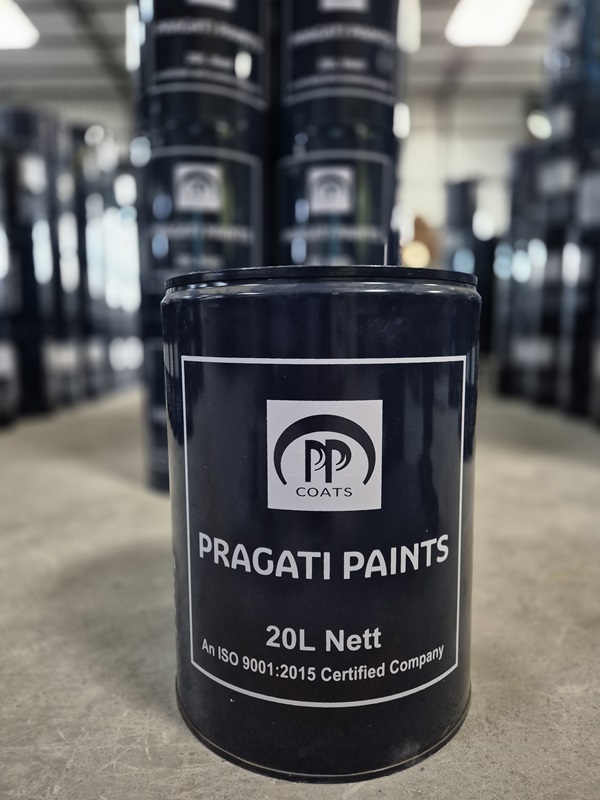 | Industrial Expoxy Paint Epoxy High Build Zinc Phosphate Primer Advanced Corrosion Protection for Industrial Steel Structures Industrial environments demand coatings that deliver long-lasting corrosion protection,... View product → |
Frequently asked questions
How do you prevent rework when specifying a high-build zinc phosphate primer?
Define the service environment, steel substrate, topcoat, target dry-film thickness, application method, and product data sheet before work begins.
How should steel and condensation be controlled before priming?
Remove rust, mill scale, oil, salts, and dust to the specified preparation standard. Check steel temperature, air temperature, relative humidity, and dew point; keep the steel above the dew point before and during application.
What coating checks reduce zinc phosphate primer problems?
Mix components at the stated ratio and induction time, then verify wet-film thickness during application and dry-film thickness after curing. Check edges, welds, corners, and hard-to-reach areas for thin spots.
How does the recoat window help stop repeat repairs?
Record the first coat's application and curing times, then apply the next coat within the product data sheet's minimum and maximum recoat intervals. Identify whether failure occurred at the steel, primer, intercoat, or topcoat interface before repairing.