
Cloudy clear epoxy lacquer can result from moisture, amine blush, trapped solvent, microbubbles, contamination, an incorrect mix, or a lacquer attacking an insufficiently cured epoxy layer. By the end, you will be able to separate surface haze from bulk milky clouding, identify the likely failure, and decide whether to clean, abrade, wait, test compatibility, or remove the coating.
Key takeaways
- Classify haze, blushing, bubbles, whitening, or substrate show-through before recoating.
- Keep the coating, surface, and air above the dew point during application.
- Verify resin-hardener ratio, induction time, thinner, and film thickness.
- Use job records to separate application errors from epoxy chemistry failures.
First identify what kind of clouding you have
A result described as epoxy paints for clear lacquer cloudy is not one defect. Inspect the coating under oblique light, then classify what you see:
| Defect | Visual appearance | Likely direction |
|---|---|---|
| Surface film | Waxy or greasy sheen; gloss and wetting change after cleaning | Amine blush or contamination |
| Poor wetting | Localized fisheyes, craters, and thin patches | Silicone, wax, oil, dust, or uneven flow |
| Bulk moisture haze | Uniform milky whitening through the film | Moisture, condensation, incomplete cure, or solvent attack |
| Microbubbles | Fine bubbles visible only when angled light crosses the surface | Entrapped air from mixing, rolling, or excessive film build |
| Yellowing | Even amber or brown color with transparency still present | Resin or hardener color shift, heat, or ultraviolet exposure |
Amber color is yellowing, not haze: it changes the film’s color, while haze scatters light and reduces transparency. Compare the cloudy coating with a retained cured sample on the same substrate; an uncoated white panel makes clear epoxy look falsely yellow.
Test a small area after controlled washing with water, drying, and light abrasion suited to the coating instructions. If clarity returns, suspect amine blush or contamination. If the film remains milky, investigate moisture, microbubbles, incomplete cure, wrong resin-to-hardener ratio, or lacquer solvent attack.
Do not recoat before this check; a new layer can lock the defect into the system.
Control temperature, humidity, dew point, and film build
Correct materials can still produce an epoxy clear lacquer cloudy result when the substrate, wet film, or surrounding air is too cold or damp. If the substrate or wet film reaches its dew point, condensation can enter the coating and create milky haze, microvoids, poor adhesion, or later blistering.
Keep the surface at least 3 °C (5 °F) above dew point during application and initial cure; this widely used limit is not a universal guarantee.
| Condition | What goes wrong | Record or control |
|---|---|---|
| Damp wood or porous concrete | Moisture escapes into the film and causes delayed whitening | Check substrate moisture and temperature |
| Low substrate temperature | Cure slows and solvent or water remains trapped | Measure surface temperature |
| High humidity | Water can condense in evaporating lacquer and cause blush | Record relative humidity and dew point |
| Excessive film thickness | The surface skins over while lower solvent remains | Measure wet-film or dry-film thickness |
| Insufficient flash time | The next coat traps solvent or water | Record flash-off time |
| Low ventilation | Evaporation and cure slow, extending haze formation | Record air movement |
| Expired pot life or wrong recoat interval | Partly reacted material loses clarity or adhesion | Record pot-life age and product-specific recoat window |
Record air temperature, substrate temperature, relative humidity, dew point, ventilation, thickness, flash-off time, pot life, and recoat interval for every application. Exact temperature, humidity, thickness, flash, pot-life, and recoat limits must come from the product technical data sheet. Reduce coat thickness and extend the specified flash or cure time rather than adding unapproved thinner.
Check epoxy chemistry, mixing, thinner, and the surface underneath
A clear epoxy coating haze can come from chemistry, trapped solvent, or a surface the film cannot wet properly, even when application looks normal.
1. Check for amine blush. Amine hardeners reacting with carbon dioxide and moisture form a water soluble, waxy carbamate layer; cool, humid conditions increase it. Wash blush with water and an abrasive pad, dry it, then sand or recoat as specified. Solvent wiping can spread the blush instead of removing it.
2. Verify the resin to hardener ratio on the technical data sheet. Measure by its specified basis: weight and volume ratios are not interchangeable. Scrape container walls during the specified mixing procedure, then transfer and remix; leaving unmixed material on the walls or adding it late creates soft, hazy pockets.
High shear mixing, roller agitation, and whipping entrain microbubbles. Applying beyond pot life causes poor flow, incomplete cure, and haze.
3. Treat thinner as a formulation component, not a universal remedy. A generic, fast evaporating, incompatible, or excessive thinner can cause blushing and solvent entrapment. Do not heat reactive epoxy to force flow; heating can shorten pot life and increase exotherm.
4. Inspect the underlying surface. Damp or uncured substrates, wax, silicone, oil, dust, solvent sensitive coatings, and contaminated epoxy cause poor wetting, fisheyes, thin patches, and light scattering. Clean and test the surface before recoating.
Use a records-based diagnosis before recoating
Use a records-based diagnosis before recoating. Isolate the batch, photograph the epoxy lacquer surface clouding under angled light, and compare the cloudy area with a retained control on the same substrate. Record substrate, air, and surface temperatures, relative humidity, and dew point.
- Review batch numbers, resin-to-hardener ratio, whether measurement used weight or volume, thinner name and quantity, mixing time and method, pot-life age, coat thickness, flash time, ventilation, and recoat interval.
- Wash a small test area, dry it fully, then abrade it in a controlled manner. Validate the cleaning method on the substrate; an unsuitable solvent can spread contamination or damage the coating.
- Build a compatibility panel with the actual epoxy and lacquer, substrate, film thickness, and drying schedule. This exposes lacquer solvent attack, incomplete epoxy cure, or an incompatible thinner without sacrificing the full batch.
| Test result | Likely finding | Action |
|---|---|---|
| Clarity returns after washing and abrasion | Blush or surface contamination | Clean, verify wetting, then follow the product recoat procedure |
| Film remains milky through its thickness | Moisture, microbubbles, wrong mix ratio, incomplete cure, or solvent entrapment | Stop and investigate the records and panel |
| Film is soft, solvent-attacked, or poorly bonded | Inadequate cure or lacquer incompatibility | Remove and rebuild the coating system |
Do not add thinner or apply another coat while the layer remains unexplained; recoating can lock in the defect and make removal harder. Use the product technical data sheet for cure and recoat limits.
Choose the clear system around exposure, cure, and repair needs
Choose epoxy clear lacquer only when chemical resistance outweighs its moisture-sensitive cure and slower repair cycle. It is the wrong choice for a damp substrate, uncertain cure, rapid turnaround, or direct ultraviolet exposure where colour stability matters more than solvent resistance.
| System | Cloudy-finish risk and strengths | Choose it when |
|---|---|---|
| Epoxy clear lacquer | Strong chemical resistance, but moisture, incorrect mix ratio, trapped solvent, or lacquer attack on an undercured film can cause haze. It can yellow under ultraviolet light and heat. | The substrate is dry, cure time is available, and chemical resistance matters. |
| Q.D. clear lacquer | Dries faster, but its solvent-sensitive recoat behaviour can soften the previous coat, trap solvent, or create whitening when flash time is too short. Repairs are usually easier within the approved recoat window. | You need rapid handling and can control ventilation, flash-off, and intercoat compatibility. |
| P.U. clear lacquer | Retains clarity, durability, and flexibility better for exterior exposure when its formulation, mix ratio, and cure requirements are met. Repairs require stricter surface preparation and timing. | Outdoor durability and lasting appearance outweigh simpler application. |
Yellowing is a colour shift, not haze. Compare every system with a cured control on the same substrate, never with an uncoated white reference; the white background exaggerates amber colour and hides meaningful comparison.
Before buying, ask Pragati Paints & Allied Products or another supplier for:
- Exact technical data sheet and mix-ratio basis: weight or volume
- Approved thinner, humidity and dew-point limits, and ventilation requirements
- Recoat window, pot life, film-thickness range, and test-panel recommendation
Match the comparison to substrate moisture, the complete coating schedule, repair method, and compatibility—not gloss alone.
Related products
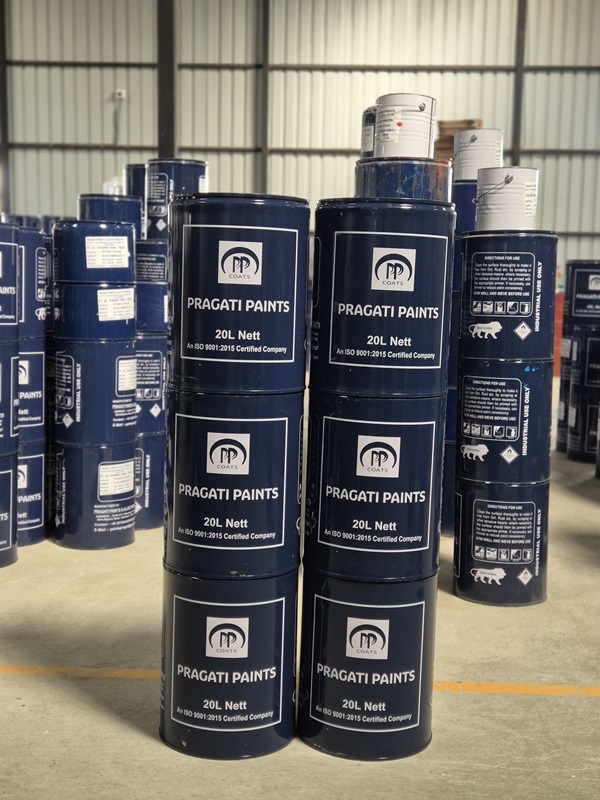 | Expoxy Paint Premium Transparent Protective Coating for Industrial & Decorative Applications Epoxy Clear Lacquer is one of the most trusted transparent coatings... View product → |
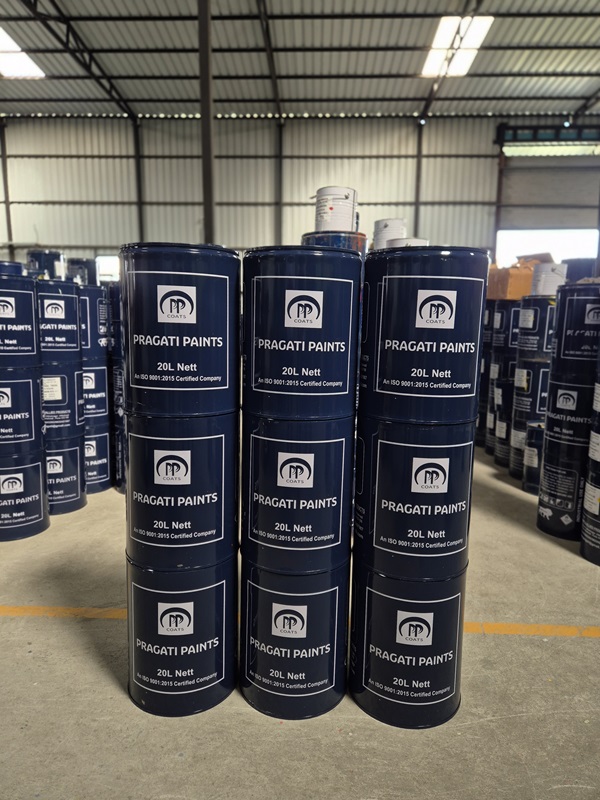 | Q.D. Paints & Primer Fast-Drying Transparent Coating for Superior Surface Protection When you need a fast-drying, transparent protective coating for wood, metal, or... View product → |
Frequently asked questions
How do you identify the type of clouding in clear epoxy lacquer?
Inspect the coating under oblique light. Haze appears as uniform milkiness, blushing as a moisture-related white cast, bubbles as discrete rounded defects, and substrate show-through as uneven transparency tied to the surface beneath.
How do temperature, humidity, dew point, and film build cause cloudy epoxy lacquer?
Keep the coating and substrate above the dew point, control humidity, and apply the specified wet-film thickness. Condensation, rapid solvent cooling, or an overly thick film can trap moisture and solvent, producing haze.
Which mixing and surface checks help diagnose a cloudy epoxy clear coat?
Check the resin-hardener ratio, mixing time, induction period, thinner identity and quantity, pot life, substrate cleanliness, and surface porosity. Record batch numbers and application conditions before recoating.
When should you choose a different clear coating system?
Choose the system according to ultraviolet exposure, operating temperature, cure conditions, chemical contact, gloss requirements, and repair method. Select a UV-stable finish for exposed work when epoxy alone will yellow or lose clarity.
Related product
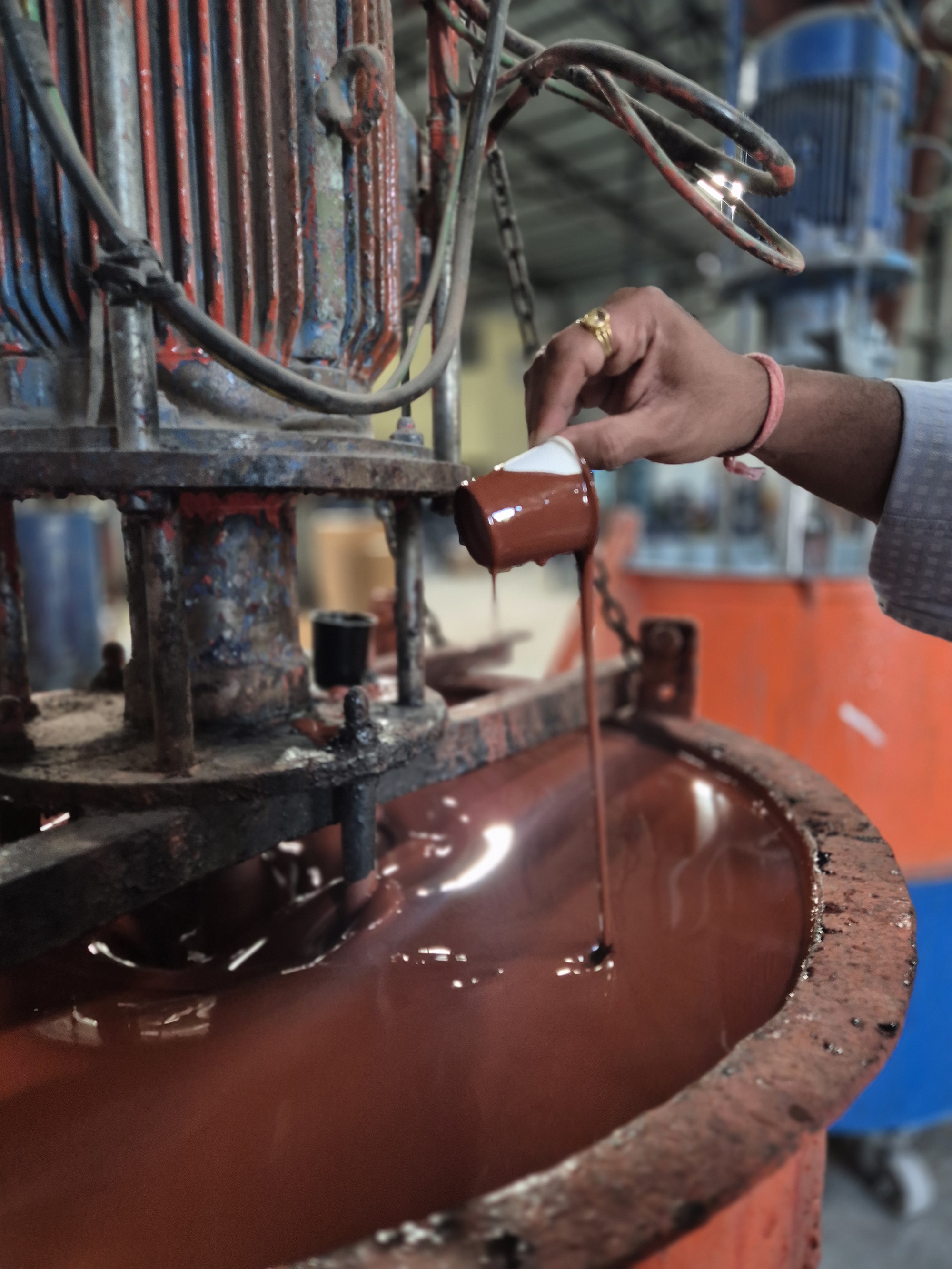 | Expoxy Paint Epoxy Paints –The Ultimate High-Performance Coating for Industrial & Commercial Protection Epoxy paints have become the top choice for industries,... View product → |