
Blistering usually begins with moisture, salts, corrosion, trapped solvent, weak adhesion, or air leaving the steel—not with the zinc phosphate pigment itself. You will be able to identify the defect, trace it to the failed interface, and decide whether the coating needs local repair or complete removal and reapplication.
Key takeaways
- Test for soluble salts before recoating steel with epoxy primer.
- Separate osmotic blisters from trapped air, pinholes, and active corrosion.
- Record surface profile, dew point, salts, mixing, and film thickness.
- Remove the full coating system when adhesion failure reaches the steel interface.
How moisture and contamination create blisters beneath epoxy primer
Blistering starts when mobile water reaches soluble contamination trapped at the steel/primer interface. Chlorides and sulfates draw water through the comparatively impermeable epoxy film, creating osmotic pressure and liquid-filled domes even when surrounding steel looks dry and lightly rusted.
Check the interface for these moisture-retaining contaminants:
- Residual chlorides or sulfates from handling, wash water, or marine exposure
- Cutting fluids, oil, and grease
- Blasting dust and abrasive residue
- Mill scale, flash rust, and corrosion products
- Hygroscopic salts or dirt left in pits, welds, crevices, and laps
Steel can appear clean because soluble salts are invisible and remain inside surface profile, pits, or dust deposits. A wipe test alone does not prove their removal. The phrase epoxy paints zinc phosphate primer for blistering describes a coating failure, not proof that zinc phosphate generated it.
Zinc phosphate is an anticorrosive pigment dispersed in a binder. It is not metallic zinc, so it does not provide the galvanic or cathodic protection of a zinc-rich coating. Do not assume a blistered or damaged zinc phosphate primer protects exposed steel cathodically.
Control condensation during preparation and coating: keep steel at least 3°C above dew point. Stop when condensation forms or the surface is visibly damp; an invisible moisture film can cause poor adhesion and later blisters.
How to tell osmotic blistering from bubbles, pinholes, and corrosion
A raised spot is not automatically zinc phosphate primer blistering. Map the defect before opening it: record blister density, diameter, and location, then note whether spots cluster at welds, edges, laps, crevices, bolts, or water traps.
1. Photograph the map and measure representative blisters. A random distribution across sound steel supports an interface moisture investigation; concentration around details points toward drainage, coating-thickness, edge, weld, or access problems.
2. Cut through the centre of representative blisters with a sharp knife. Lift the coating carefully and photograph both the underside and exposed steel before washing or sanding.
3. Interpret the cut surface:
- A wet underside or soluble residue points to mobile water or hygroscopic contamination such as chloride or sulfate salts, supporting osmotic blistering.
- Rusty steel indicates steel-side corrosion and underfilm attack; flash rust appears as a thin rust film beneath the coating.
- A powdery underside can indicate corrosion products, blast dust, or a weak, uncured coating layer.
- Clean, dry steel with a rounded cavity points away from osmotic blistering. Trapped solvent causes solvent popping, while air released from porous blast-cleaned steel, pits, or weld porosity causes outgassing bubbles.
- Tiny open holes are pinholes, not blisters. A clean separation between primer and topcoat indicates intercoat adhesion failure.
ISO 4628-2 records blister quantity and size, but it does not prove the cause of zinc phosphate primer blistering. Pair its rating with the cut-section evidence.
Which preparation and application errors start the failure
Prevent blistering before primer reaches steel by blast-cleaning to ISO 8501-1 Sa 2½, equivalent to SSPC-SP 10/NACE No. 2 near-white blast cleaning. Power tools leave embedded salts and tightly adherent contamination behind, so do not accept visual cleanliness as proof.
Test soluble salts and use the allowable result stated in the project coating specification; there is no universal limit for every primer. Stop for flash rust, then reprepare the surface, and verify the specified abrasive profile.
- Remove weld spatter, grind sharp edges, repair skip-welded joints, and clean crevices, laps, bolts, pits, and water traps.
- Apply stripe coats to edges, welds, bolts, and difficult geometry before the full coat. Fabricated details develop thin films through spray shadowing, edge pullback, and drainage even when flat test panels look sound.
- Control epoxy primer bubbles on steel by applying the first coat while steel temperature is falling. If that timing is impossible, apply a thin seal coat before building thickness; rising temperature drives air or vapour from porous steel, pits, and weld porosity into wet epoxy.
- Measure wet-film thickness. Excessive thickness, rapid overbuilding, or inadequate flash-off traps solvent and produces solvent blisters or pinholes.
| Error | What goes wrong | Control |
|---|---|---|
| Salt or flash rust | Adhesion loss and blistering | Test, reblast, dry, and recheck |
| No stripe coat | Thin films on details | Stripe before full build |
| Hotting steel | Outgassing bubbles | Coat while temperature falls |
| Fast overbuilding | Solvent entrapment | Respect flash-off and wet-film limits |
What records reveal the source of a zinc phosphate coating failure
Do not sand first. Preserve the evidence while the zinc phosphate coating failure still shows its original pattern.
- Photograph the area with a scale, then draw a defect map showing blister density, diameter, and position.
- Cut through representative blisters, photograph each exposed interface, and record whether the underside is wet, rusty, powdery, or clean and dry.
- Measure dry-film thickness on sound and failed areas, and check the abrasive profile against the coating specification.
- Test exposed steel and adjacent intact areas for soluble salts. Inspect rust, pits, welds, sharp edges, laps, crevices, bolts, and water traps.
- Preserve the coating batch number, technical data sheet, mixing ratio, mixing record, induction time, reducer addition, pot life, application date, recoat interval, and applicator notes.
- Compare steel temperature, air temperature, relative humidity, dew point, and visible condensation records with the application time.
| Finding | Likely source | Record or confirmation |
|---|---|---|
| Wet or salty underside | Osmotic blistering | Salt test and contamination history |
| Rusty interface or pits | Steel-side corrosion | Surface-preparation and flash-rust records |
| Clean separation between coats | Incompatible layers or poor adhesion | Product compatibility and recoat interval |
| Waxy film beneath the next coat | Epoxy amine blush from cool, humid curing | Temperature, humidity, washing, and curing records |
| Soft film or solvent odour | Incomplete curing, excessive thickness, or trapped solvent | Mixing, pot-life, wet-film, flash-off, and temperature records |
Recoating outside the product-specific minimum or maximum interval can cause intercoat blistering; cool humid conditions and incomplete curing intensify the risk. Solvent-wiping a fully cured epoxy does not replace abrasion or other preparation specified by the product data sheet.
When to repair the primer and when to remove the coating system
Do not fill a blister and paint over it. The patch traps water, salts, rust, or solvent beneath the new film, so the same pressure and adhesion failure returns beside the repair.
| Diagnosis | Corrective action | Seek a system review when |
|---|---|---|
| Wet or salt-contaminated interface | Remove affected coating, wash the steel, test soluble salts against the project limit, dry completely, then reblast | Salts remain, contamination is widespread, or blistering returns |
| Rusted steel-side interface | Remove corrosion to the specified preparation grade, clean pits, and feather sharp coating edges before priming | Rust extends beneath sound-looking areas or pits and crevices cannot be cleaned |
| Solvent popping or outgassing | Control wet-film thickness, apply while steel temperature is falling, allow flash-off, and use a thin seal coat on porous steel when specified | Bubbles repeat on welds, pits, or rising-temperature surfaces |
| Intercoat failure | Wash amine blush with clean water, dry, abrade cured epoxy, check compatibility, and recoat within the product’s specified window | The maximum interval passed, layers are unknown, or adhesion fails across broad areas |
Compare the primer, reducer, topcoat, surface-preparation standard, and repair method as one system. Pigment names alone cannot establish compatibility or service performance.
For industrial steelwork in Sambhaji Nagar, Maharashtra, Pragati Paints & Allied Products can help buyers compare coating options against the substrate, exposure, preparation standard, and application records before selecting a replacement system.
Related products
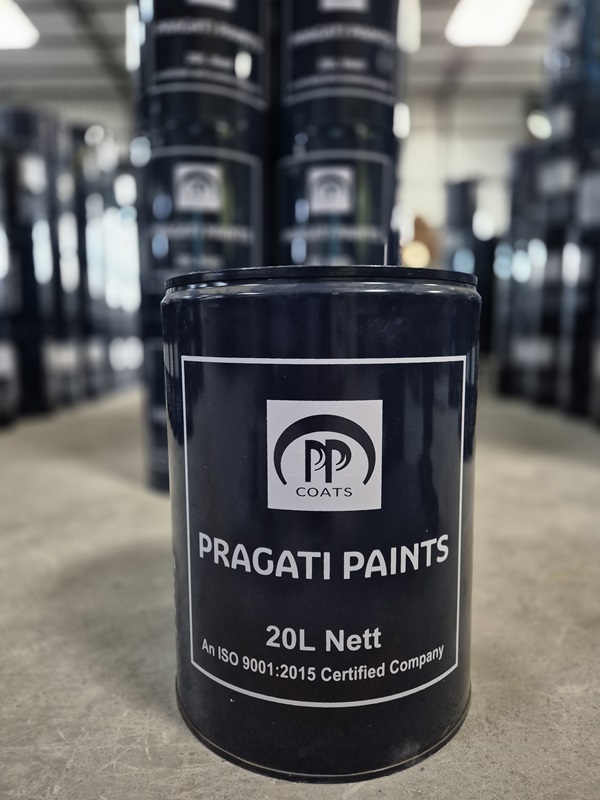 | Industrial Expoxy Paint Epoxy High Build Zinc Phosphate Primer Advanced Corrosion Protection for Industrial Steel Structures Industrial environments demand coatings that deliver long-lasting corrosion protection,... View product → |
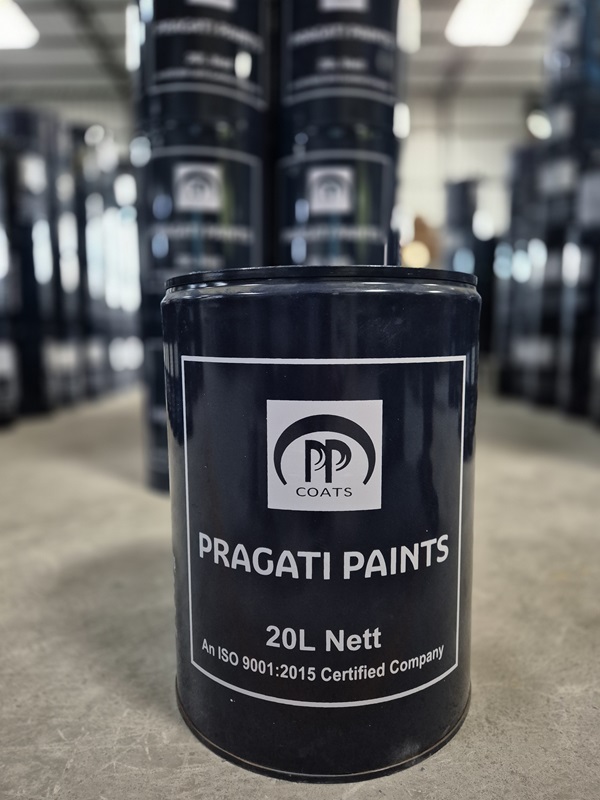 | Expoxy Paint High-Performance Protection for Steel Structures When it comes to long-term corrosion protection of metal surfaces, Epoxy Zinc Rich Primer is one of... View product → |
Frequently asked questions
How do moisture and contamination create blisters beneath epoxy primer?
Chlorides and sulfates trapped at the steel/primer interface attract mobile water through the epoxy film. Osmotic pressure then forms liquid-filled domes beneath the primer.
How can you distinguish osmotic blistering from bubbles, pinholes, and corrosion?
Osmotic blisters are raised, liquid-filled domes linked to soluble salts. Air bubbles are usually dry voids from mixing or application, pinholes are small film breaks, and corrosion produces rust-driven lifting from steel oxidation.
Which preparation and application errors start zinc phosphate primer blistering?
Common causes include inadequate abrasive cleaning, soluble salt residue, oil or dust, coating below the dew point, excessive film thickness, incorrect thinner use, and poor mixing or induction time.
When should you repair the primer instead of removing the coating system?
Repair isolated, firmly bonded blisters after removing contamination and loose film. Remove the coating system when adhesion failure is widespread, corrosion reaches the steel interface, or sound edges cannot be established.
Related product
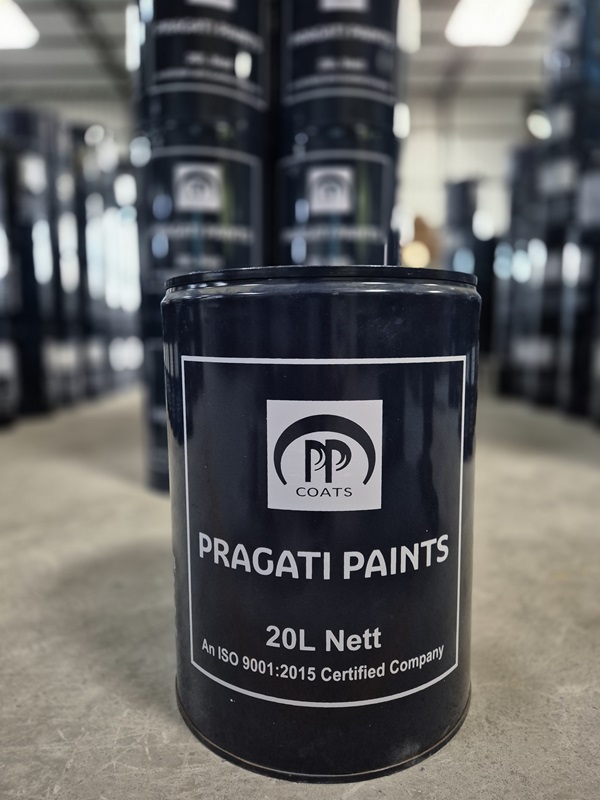 | Expoxy Paint Premium Anti-Corrosive Protection for Industrial Metal Surfaces When industries need the highest level of corrosion resistance and strong adhesion,... View product → |