
Selecting the correct primer is one of the most important steps in industrial coating applications. The primer forms the foundation of the coating system and directly influences adhesion, corrosion resistance, and overall durability.
Among industrial primer options, EPOXY PRIMER and EPOXY ZINC PHOSPHATE PRIMER are commonly considered for metal protection. Although both belong to epoxy-based coating systems, their applications and protective characteristics can differ depending on the working environment.
Industries across Chennai, Tamil Nadu, including engineering units, manufacturing facilities, fabrication companies, and infrastructure projects, often evaluate primer selection carefully to achieve reliable coating performance.
Understanding The Role Of Industrial Primers
A primer is the first coating layer applied after surface preparation. Its purpose is not only to cover the surface but also to create a strong base for additional coating layers.
A suitable primer can help with:
- Better coating adhesion
- Improved corrosion resistance
- Enhanced durability
- Reduced surface deterioration
The choice of primer depends on the substrate, environmental exposure, and expected service conditions.
What Is EPOXY PRIMER?
EPOXY PRIMER is a protective base coating designed to provide strong adhesion and a stable foundation for epoxy finishing systems.
It is commonly considered for applications where:
- General corrosion protection is required
- Strong bonding with metal surfaces is needed
- Additional epoxy or protective coats will be applied
Typical applications include:
- Machinery components
- Industrial structures
- Fabricated steel parts
- Equipment surfaces
What Is EPOXY ZINC PHOSPHATE PRIMER?
EPOXY ZINC PHOSPHATE PRIMER contains zinc phosphate pigments that support enhanced corrosion protection.
It is often evaluated for environments where metal surfaces may experience greater exposure to moisture or corrosive conditions.
This type of primer may be suitable for:
- Outdoor structures
- Heavy engineering applications
- Metal fabrication projects
- Industrial equipment exposed to challenging conditions
Key Differences Between The Two Primers
While both primers support protective coating systems, their selection depends on application requirements.
Protection Level
General epoxy primer provides strong adhesion and basic protection, while zinc phosphate primer is often selected where additional corrosion resistance is required.
Application Environment
Areas with higher humidity, moisture exposure, or industrial contaminants may require a more protective primer system.
Final Coating Requirement
The primer should always be compatible with the final paint system to achieve proper performance.
Importance Of Surface Preparation
Regardless of primer selection, surface preparation remains essential.
Before applying primer, professionals usually assess:
- Rust removal
- Surface cleanliness
- Oil and contamination removal
- Surface profile
- Dryness conditions
Poor preparation can reduce adhesion and affect the life of the coating system.
How Chennai Industries Can Select The Right Primer
Businesses should evaluate their actual operating environment before selecting a primer.
Questions to consider include:
- Will the surface remain indoors or outdoors?
- Is corrosion exposure a major concern?
- Will chemicals or moisture affect the equipment?
- What finishing coat will be applied afterward?
A primer selection decision should be based on performance requirements rather than product names alone.
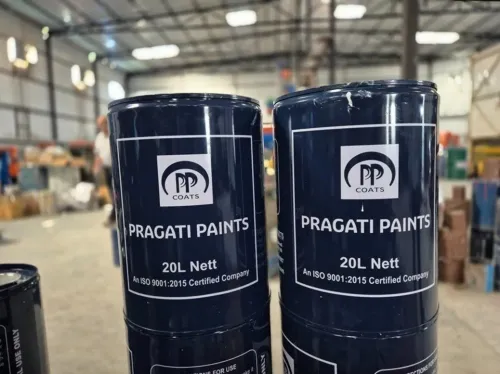
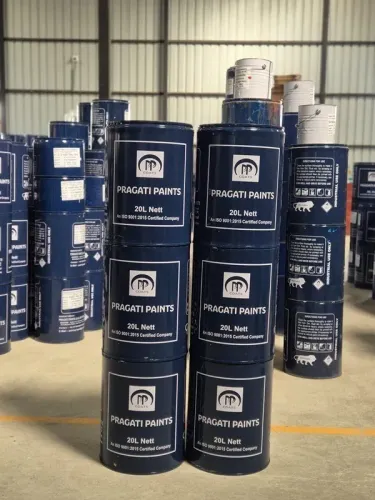
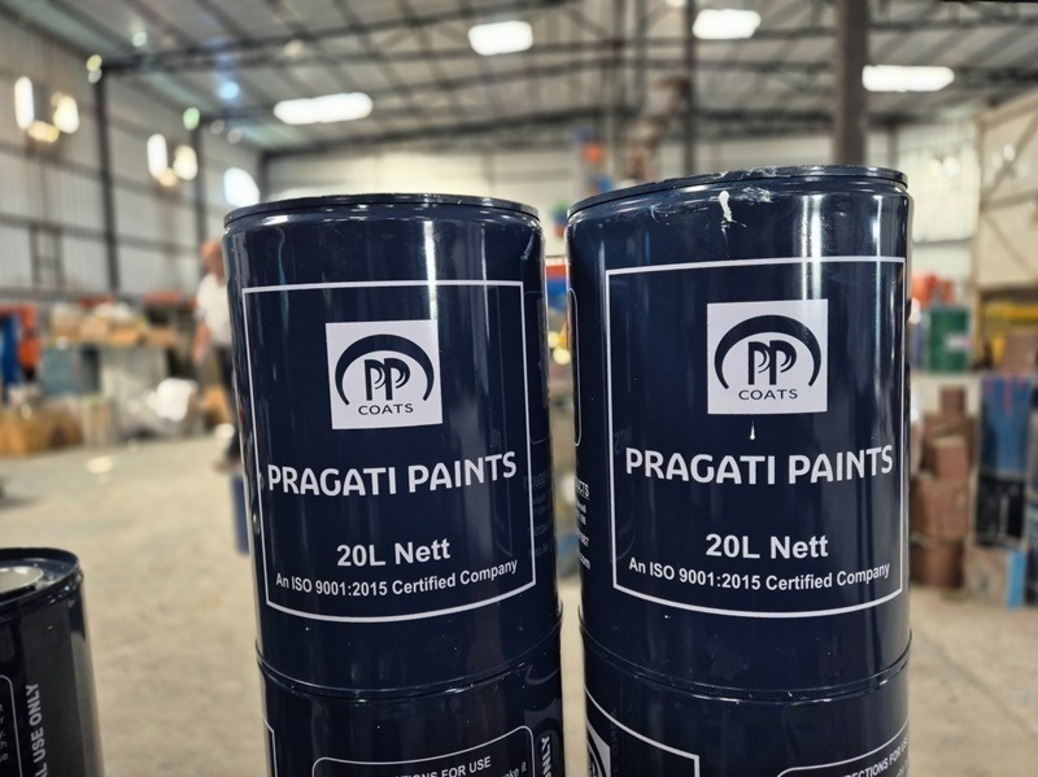
Pragati Paints and Allied Products provides industrial coating solutions for different protection needs and helps customers understand suitable primer options for their applications.
Choosing between epoxy primer and zinc phosphate primer depends on the surface condition, exposure environment, and long-term protection expectations. A properly selected primer system creates a stronger foundation for industrial coating performance.