

Industrial equipment operating under extreme heat conditions requires specialised coatings that can maintain performance even when exposed to elevated temperatures. Standard paints may lose their properties when surfaces experience continuous heat, leading to issues such as cracking, peeling, colour deterioration, or reduced protection.
This is why industries working with boilers, exhaust systems, furnaces, chimneys, pipelines, and heating equipment often consider H.R. Paint systems designed for high-temperature environments.
In Pune, where engineering, manufacturing, automotive, and process industries operate across industrial zones, selecting the appropriate heat-resistant coating is an important part of equipment maintenance and asset protection.
Understanding High Temperature Paint Systems
High temperature paints are specially formulated coatings designed to withstand heat exposure beyond the capability of conventional industrial paints.
These coatings help protect metal surfaces from:
- Heat-related coating failure
- Surface oxidation
- Corrosion caused by temperature cycles
- Loss of appearance under thermal stress
Different temperature requirements require different coating solutions. A coating suitable for moderate heat may not perform effectively under continuous exposure to higher temperatures.
Types of High Temperature Paint Options
Industrial applications may require different heat-resistant coating grades depending on operating conditions.
H.R. Paint @250°C
These coatings are suitable for applications involving moderate heat exposure. They may be considered for equipment where temperatures remain within controlled limits.
H.R. Paint @450°C
Higher temperature applications require coatings developed to withstand more demanding environments.
H.R. Paint @600°C
Extreme heat applications may require specialised coatings capable of maintaining protective performance at very high temperatures.
Other solutions such as H.R. Stack Black @250°C and PPCOAT 1K H.R. Paint @300°C are selected based on equipment requirements and expected operating conditions.
Where High Temperature Paints Are Used
Heat-resistant coatings are commonly considered for:
- Industrial furnaces
- Exhaust systems
- Heat processing equipment
- Chimneys and stacks
- Boilers
- Metal components exposed to thermal conditions
The correct coating choice depends on temperature range, surface material, environmental exposure, and maintenance expectations.
Factors to Evaluate Before Selecting Heat Resistant Paint
Choosing a high-temperature coating requires more than checking the temperature rating.
Industries should consider:
Operating Temperature
The actual working temperature of the equipment should be evaluated before selecting the coating grade.
Heating Cycles
Equipment that frequently heats and cools may require coatings with better thermal stability.
Surface Preparation
Proper cleaning and preparation are essential for coating adhesion and long-term performance.
Application Method
The recommended application process can influence final coating quality.
Why Correct Product Selection Matters
Using an unsuitable coating for a high-temperature environment can result in premature failure and increased maintenance costs.
Industrial buyers in Pune should evaluate their equipment conditions carefully before selecting a heat-resistant paint system. Factors such as operating environment, surface condition, and expected service life should guide the decision.
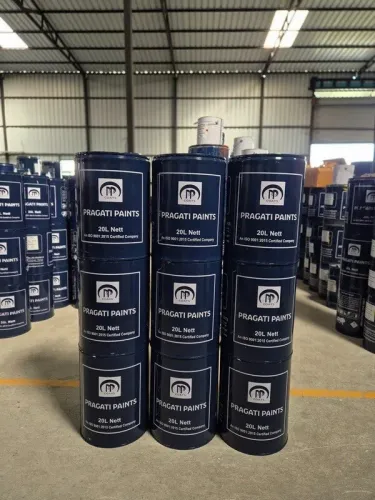
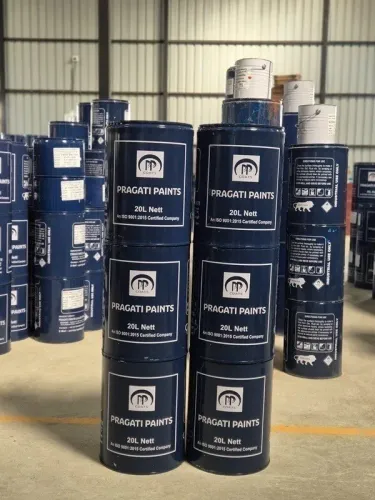
Pragati Paints and Allied Products provides industrial coating solutions for different application requirements, helping businesses identify suitable products for protective painting needs.
A properly selected H.R. Paint system can help industries improve equipment protection, maintain surface appearance, and support reliable operation in demanding thermal environments.