
“High build zinc” can describe two very different technologies: an epoxy containing metallic zinc dust and an epoxy containing zinc phosphate pigment. You will be able to match each option to the exposure, specify the film correctly, plan the application, and decide when the added preparation and inspection effort is justified.
Key takeaways
- High build refers to cured dry-film thickness, not the wet coat alone.
- Match zinc primer type to exposure, steel condition and the coating system.
- Measure wet-film thickness during application and cured DFT after curing.
- Extra film build pays off only when preparation and curing support it.
What “high build zinc” actually means on steel
A 250-micron wet coat does not automatically become a 250-micron protective film. “High build” means the coating is designed to achieve a greater dry-film thickness (DFT), specified in microns, after it cures. Measure wet-film thickness (WFT) during application to control the result, then verify cured DFT with a calibrated gauge.
A thick epoxy coat is not necessarily zinc-rich. The resin film can improve barrier protection while containing too little metallic zinc for galvanic action.
| Option | Main protection | What to verify |
|---|---|---|
| Epoxy zinc-rich primer | Metallic zinc provides galvanic protection when pigment concentration is high enough and particles remain electrically connected after curing | Zinc-pigment classification, DFT range and SSPC Paint 20 designation |
| Epoxy zinc-phosphate primer | Barrier and passivating protection | Do not treat it as equivalent cathodic protection |
| Inorganic zinc silicate | Metallic zinc galvanic protection in a different binder technology | Separate application, curing and topcoat requirements |
SSPC Paint 20 distinguishes zinc-rich coatings by binder type and zinc-pigment requirements; an organic epoxy zinc-rich primer is not interchangeable with inorganic zinc silicate.
For epoxy paints high build zinc for steel structures, the product data sheet matters more than the words “high build.” Check the zinc-pigment classification, specified minimum and maximum DFT, WFT guidance, and SSPC Paint 20 designation. Exceed the maximum per-coat DFT and you risk solvent entrapment, mud cracking, poor adhesion or blistering.
Which zinc primer fits the exposure and steel condition?
Epoxy zinc-rich primer is the usual choice for blasted structural steel in atmospheric C3–C5 service because it combines barrier protection with galvanic protection. Epoxy paints structural steel effectively only when the zinc particles remain electrically connected and the complete system suits the exposure.
| Option | Corrosion mechanism | Preparation, recoat and compatibility |
|---|---|---|
| Epoxy zinc-rich | Barrier plus metallic-zinc galvanic protection | Abrasive blast; respect recoat window; use approved epoxy, polyurethane or polysiloxane topcoats; repair with compatible zinc-rich material |
| Epoxy high-build zinc phosphate | Thick barrier and passivation; no equivalent cathodic protection | Blast or sound, prepared existing coating; easier overcoating, but verify adhesion and recoat limits; repair restores coverage, not galvanic action |
| Inorganic zinc silicate | Metallic-zinc galvanic protection with a hard, porous inorganic binder | Near-white blast and strict humidity, temperature and curing control; overcoat only with approved sealers or topcoats; repair exposed areas with compatible zinc-rich material |
Choose based on the steel condition and service:
- New steel: blast to SSPC-SP 10/NACE No. 2 or Sa 2½, then use zinc-rich epoxy for outdoor C3–C5 steel, including coastal structures, when abrasion is moderate.
- Abrasive-blasted steel: use inorganic zinc silicate when high heat, solvent resistance or severe abrasion justifies its tighter application limits.
- Previously painted steel: use epoxy zinc phosphate when sound coating remains and blasting is impractical; do not apply zinc-rich epoxy without testing adhesion and preparing exposed steel.
Coastal salt, splash zones, buried steel, tanks, chemical contact and continuous immersion need a system specifically qualified for that medium. Substituting epoxy zinc-rich for inorganic zinc silicate changes application limits and topcoat compatibility; it is not an automatic upgrade.
Where epoxy high-build zinc applications earn their extra effort
Choose epoxy high build zinc applications when exposed steel needs galvanic assistance and can receive an epoxy intermediate plus a weather-resistant polyurethane or polysiloxane finish. Assess each asset against its actual exposure, not the primer name.
- Bridges: Valuable for blasted, atmospheric steel in C3–C5 service, including decks, girders and cross-members; seal crevices and protect the primer with the specified topcoat.
- Platforms: A high build zinc primer for contractors suits outdoor walkways and handrails, but heavy foot or equipment abrasion needs a qualified wear system.
- Tanks: Use it on exterior shells and supports; tank interiors require approval for the stored liquid, concentration, cleaning regime and temperature.
- Pipe racks: Effective for open-air structural members, while hot lines and insulation interfaces require the system’s rated service temperature.
- Structural frames: Strong candidates in industrial or coastal atmospheres when blast preparation, stripe coating and controlled recoating are possible.
- Machinery supports: Suitable for atmospheric steel; vibration, oil contamination and impact can demand a tougher, project-qualified finish.
- Fabricated steel: Useful after abrasive blasting, but welds, edges, bolt connections and transport damage need specified repair treatment.
Do not assume zinc-rich epoxy suits chemical-contact areas, heavy abrasion, buried or splash-zone steel, high-temperature service or continuous immersion. Qualify the complete coating system for the exact medium and temperature.
Request the technical data sheet, minimum and maximum dry-film thickness, solids, pot life, recoat window, compatible topcoats, immersion approval and repair instructions. Pragati Paints & Allied Products can provide project-specific documents for comparison, not proof that every formulation fits every exposure.
Related products
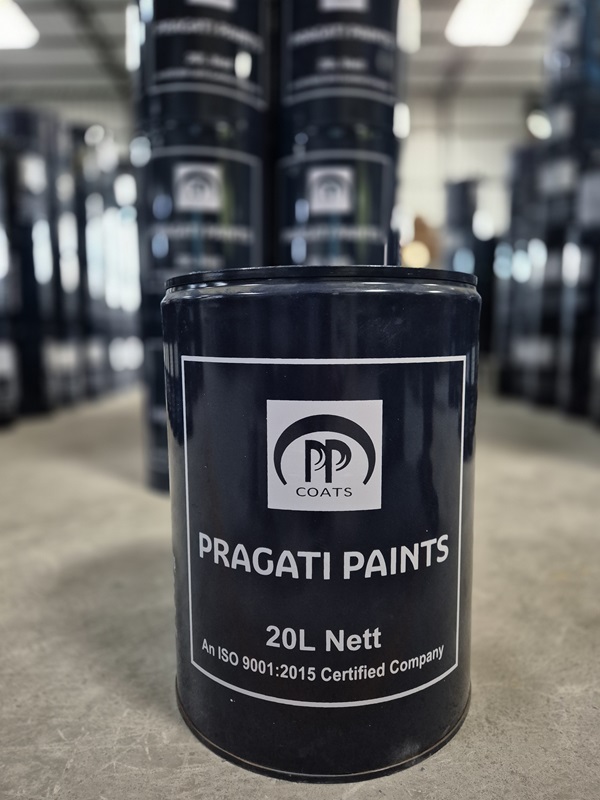 | Expoxy Paint High-Performance Protection for Steel Structures When it comes to long-term corrosion protection of metal surfaces, Epoxy Zinc Rich Primer is one of... View product → |
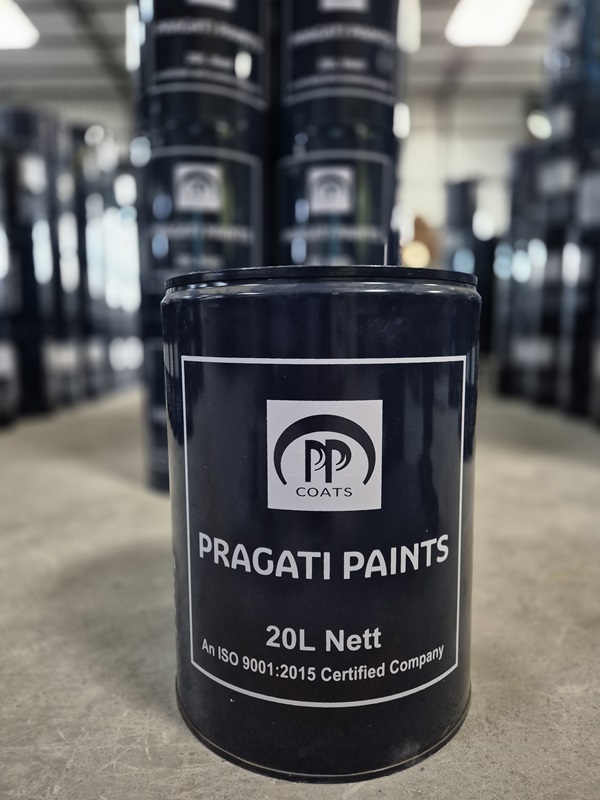 | Industrial Expoxy Paint Epoxy High Build Zinc Phosphate Primer Advanced Corrosion Protection for Industrial Steel Structures Industrial environments demand coatings that deliver long-lasting corrosion protection,... View product → |
How contractors should prepare, apply and measure the coating
1. Use a high build zinc primer for contractors who can control preparation, weather and inspection. Remove oil, grease and soluble salts, then abrasive-blast severe atmospheric steel to SSPC-SP 10/NACE No. 2 or Sa 2½. Produce the specified surface profile and remove weld spatter, flux, mill scale and heat-discoloured steel.
2. Keep steel at least 3 °C above dew point during preparation, application and initial cure. Record steel temperature, air temperature, relative humidity and dew point; stop if condensation or flash rust develops. Clean sharp edges, corners, bolt heads, cut-outs and crevices, then apply a stripe coat before full-area spraying.
3. Mechanically agitate both components until the settled zinc is fully dispersed. Observe the specified induction time, start a pot-life clock after mixing and discard material after that limit. Add only the permitted thinner.
Use an airless spray tip and pressure stated on the data sheet; use a suitable short-nap roller for small areas, not to replace spraying across large steelwork.
4. Measure wet-film thickness during application with a calibrated comb or wheel gauge, then measure cured dry-film thickness with a calibrated electronic or magnetic gauge. Check edges and difficult details separately. Follow the specified minimum and maximum thickness and recoat window; excessive film can trap solvent, crack or lose intercoat adhesion.
5. Allow the primer and complete system to cure before handling, immersion or service. Do not treat “high build” as permission for unlimited thickness: the manufacturer’s maximum per-coat dry-film thickness controls. Record batch, temperatures, humidity, wet-film readings, dry-film readings and recoat timing for acceptance.
When the extra film build pays off—and when it creates failure
High-build zinc is worth the extra work when the exposure needs a qualified atmospheric corrosion system and the project supports blast cleaning, stripe coating, inspection and controlled recoat timing. That is the right test for epoxy paints: high-build zinc for steel structures, not the word “high-build” alone.
For epoxy paints on structural steel, added film can extend protection only when the complete system is specified for the exposure.
Excessive or poorly cured film traps solvent and creates pinholes, sagging, mud cracking, poor intercoat adhesion, amine blush, blistering and premature rust. Excessive zinc-rich primer thickness can also prevent the topcoat from bonding. Use the manufacturer’s maximum dry-film thickness per coat and verify it with a calibrated gauge.
Treat a local defect as correctable when the specification fits the service and the problem is limited to damaged or poorly applied coating. Treat it as a wrong specification when the exposure requires immersion, buried-steel or chemical-service approval that the system does not possess.
For a repair, remove loose coating and corrosion, feather sound edges, prepare exposed steel to the specified standard and apply a compatible zinc-rich repair material. Ordinary epoxy or zinc phosphate can restore coverage without restoring galvanic function.
- Confirm the exposure category, temperature, chemicals and immersion conditions.
- Obtain the product data sheet, maximum and minimum dry-film thickness, solids, pot life and recoat window.
- Verify blast standard, stripe-coat requirements, compatible topcoats and repair instructions.
- Require written confirmation that the complete system is qualified for the steel and service.
Frequently asked questions
What does high-build zinc mean on steel?
It means the coating is formulated to achieve a greater cured dry-film thickness, measured in microns. Control wet-film thickness during application, then verify cured DFT with a calibrated gauge.
Which zinc primer fits a steel structure?
Choose the primer by exposure severity, steel condition and the specified coating system. Compare zinc-rich and epoxy zinc phosphate options against the required corrosion protection and surface preparation.
Where do epoxy high-build zinc applications make sense?
They earn their extra preparation and application effort on steel exposed to demanding corrosion conditions, where the specified film build and complete coating system justify the work.
How should contractors measure a high-build zinc coating?
Use a wet-film thickness gauge while applying the coating. After curing, measure dry-film thickness with a calibrated gauge and record the results against the project specification.
When can extra film build cause coating failure?
Extra thickness creates risk when the substrate is poorly prepared, the coating exceeds its specified range, solvent becomes trapped or the film does not cure correctly. Follow the product's application limits and recoat window.
Related product
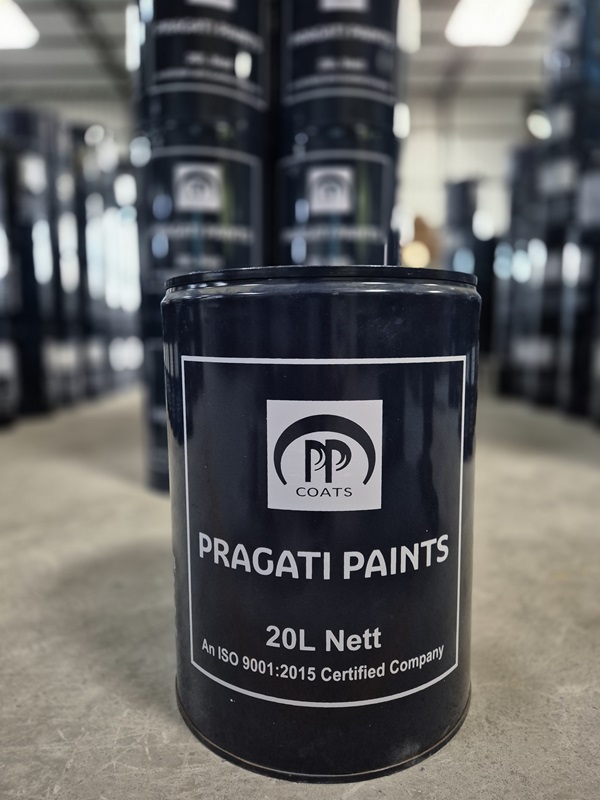 | Expoxy Paint Premium Anti-Corrosive Protection for Industrial Metal Surfaces When industries need the highest level of corrosion resistance and strong adhesion,... View product → |